Community Corner
Long Island's Mute Swan Hearing Postponed Due To Weather
There may be new hope —after previous plans to kill all mute swans in New York State by 2025.


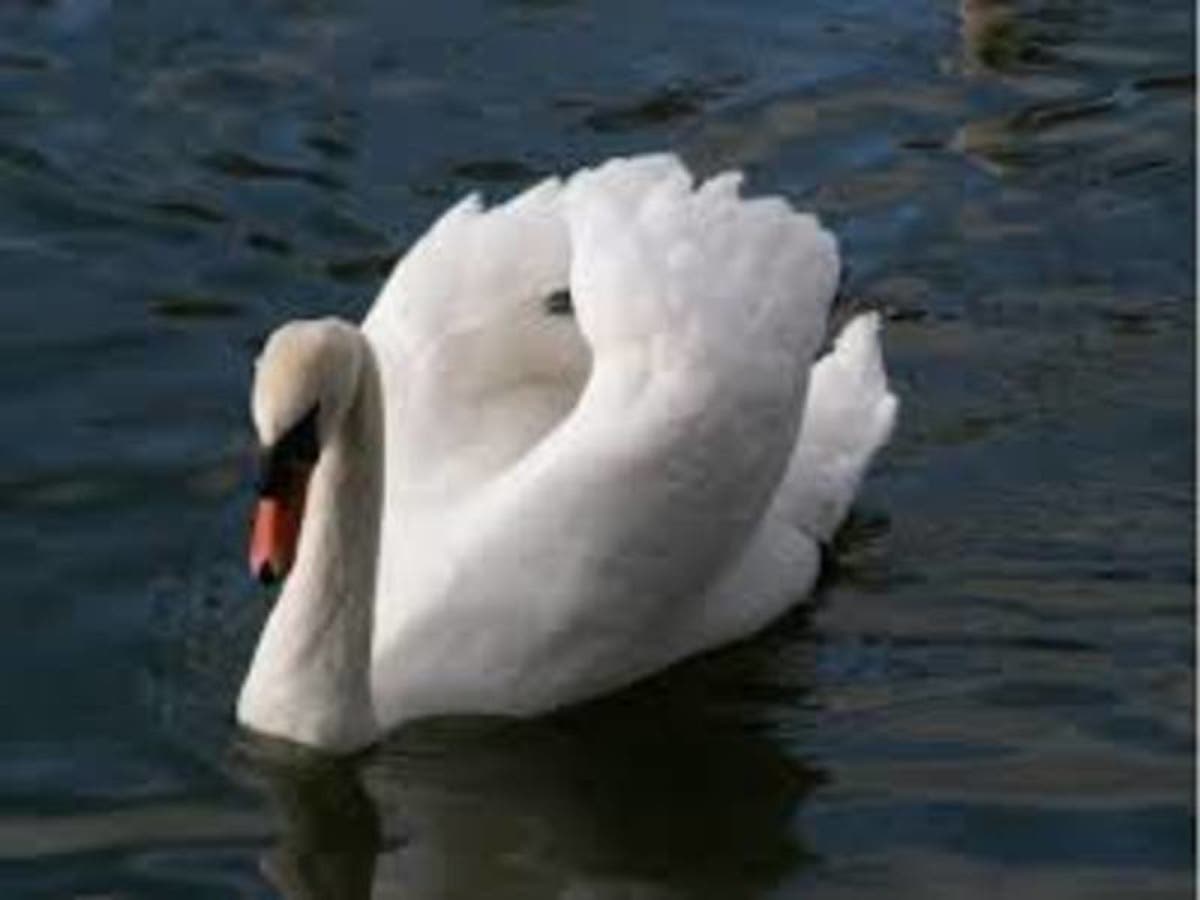
EAST HAMPTON, NY — Due to inclement weather reports, the New York State Department of Environmental Conservation postponed the first public hearing on the State’s revised draft management plan for mute swans originally scheduled to take place on Tuesday in Hauppauge; that meeting will be rescheduled at a later date.
Upcoming are hearings on Tuesday, October 3, at 6 p.m. at the Braddock Bay Pavilion, 199 E. Manitou Road, Hilton, NY 14468, and Thursday, October 19, 2017 at 6 p.m. in Region 3 NYSDEC, 21 South Putt Corners Road, in New Paltz, NY 12561.
Written comments on the revised management plan can by submitted by writing to: Bureau of Wildlife - Mute Swan Plan, 625 Broadway, Albany, NY 12233-4754; or e-mailing Wildlife@dec.ny.gov, with the subject line - Mute Swan Plan.. The public comment period will close on December 6, 2017.
Find out what's happening in East Hamptonfor free with the latest updates from Patch.
DEC reminds the public to submit comments via email or mail. These comments will be equally weighted as comments received during a public hearing, the DEC said.
The DEC draft plan can be found here.
Find out what's happening in East Hamptonfor free with the latest updates from Patch.
Back in 2014, lawmakers teamed up to co-sponsor legislation that would impose a two-year moratorium on the DEC's plan to declare mute swans a "prohibited invasive species" and to kill all of the 2,200 mute swans in the state by 2025.
Under that earlier, controversial proposed plan, adult swans in public waters could be shot or euthanized, or they could be caught by those licensed to keep them in captivity.
Mute swans are most prevalent on Long Island and the lower Hudson Valley.
Recently, the DEC announced the completion of a revised draft state management plan for mute swans; the DEC made significant changes to the plan in response to public comments received over the past three years.
“Wildlife management can present challenges in trying to balance conflicting interests, such as when a beautiful bird can have harmful impacts,” said NYSDEC Commissioner Basil Seggos. “DEC’s revised draft management plan is responsive to the public’s concerns about complete elimination of mute swans from New York, taking a more regional approach to management."
The plan, he said, should limit the potential future impacts of mute swans on native wildlife as well as human enjoyment of the state’s aquatic resources.
"At the same time, the plan emphasizes non-lethal management techniques, in direct response to public concerns about how and where management is accomplished," he said.
The mute swan, or Cygnus olor, is a non-native, invasive species brought to North America in the late 1800s to beautify estates in the Lower Hudson Valley and on Long Island, the DEC said.
Over the past century, swans that escaped or were released established wild populations in downstate New York that now number close to 2,000 birds. A separate population of mute swans became established near Rochester in the late 1980s, but past control efforts by DEC and other agencies have helped to limit their numbers.
In August, DEC conducted a large-scale summer population survey to obtain a current statewide population estimate and will have the results tallied in the next few weeks.
Mute swans compete with native wildlife for aquatic food plants and nesting areas, the DEC said.
In addition, people are unable to use some water areas where the highly territorial birds nest. The goal of the draft plan is to prevent any further mute swan population growth to minimize impacts to native wildlife and habitats, as well as minimize conflicts with property owners and other outdoor enthusiasts. Property owners will be allowed to implement control measures where necessary to alleviate site-specific conflicts caused by mute swans.
The draft plan outlines DEC’s strategies to contain and minimize the impacts of free-ranging mute swans. It describes a three-part, regionalized approach that emphasizes non-lethal management both upstate and downstate, a release from the DEC said.
The plan includes public education and outreach to inform the public about the status and ecological impacts of mute swans, efforts to foster responsible possession and care of mute swans, and strategies for managing feral mute swan populations.
Mute swan populations in other states, such as Maryland and Michigan, have shown tremendous ability to grow from a relatively small number of birds to several thousand over time. DEC is committed to preventing this growth from happening in upstate New York. In downstate areas, the mute swan population has leveled off and overwhelming public support for allowing these birds to remain caused the DEC to reconsider its plans for swans in that part of the state.
Mute swans are likely to remain in most areas of Long Island, New York City, and the lower Hudson Valley where they have been seen for many years, but DEC will encourage non-lethal population controls to protect local wildlife and habitats and will authorize control measures to ensure that mute swans do not interfere with human interests.
The draft plan is available on the DEC website here, along with an assessment of public comments received on previous drafts of the plan released in January 2014 and in March 2015.
Lawmakers were vocal in their opposition to the DEC's plan.
“Wildlife experts, rehabilitators and environmentalists do not unanimously agree that exterminating the mute swan population is justified," New York State Assemblymen Fred Thiele said in 2014. "In addition, there is debate amongst such experts about whether the planned eradication of the mute swan population is even minimally beneficial to the eco-system or to our environment. Therefore, it is incumbent on the Department of Environmental Conservation to illustrate the necessity of eradicating this non-native species by demonstrating the actual damage to the environment or other species caused by mute swans.”
On the East End, the mute swan is often seen in local ponds and waterways, Thiele said, and in all his years of office, he's not received one complaint.
Get more local news delivered straight to your inbox. Sign up for free Patch newsletters and alerts.