Politics & Government
Save The Sound Appeal in Great Neck Clean Water Case to Go Forward
Judge denies motions by the Great Neck Water Pollution Control District and New York State Department of Environmental Conservation to dismiss Save the Sound's appeal.


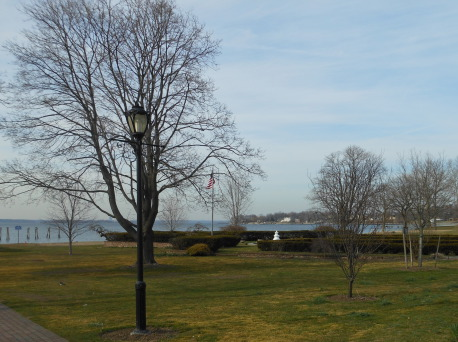
A judge has denied motions by the Great Neck Water Pollution Control District and New York State Department of Environmental Conservation (DEC) to dismiss Save the Sound’s appeal of a DEC consent order that allows the sewage district to continue polluting Long Island Sound. Save the Sound is co-represented in the appeal by New York City-based Super Law Group, according to a prss release from Save the Sound.
“We’re very pleased that our appeal will go forward. Now we can ask the judge to stop this pollution of Long Island Sound,” said Leah Schmalz, director of legislative and legal affairs for Save the Sound. “The DEC's decision to let Great Neck discharge more nitrogen violates the Clean Water Act and hurts the Sound’s health. We see the effects of nitrogen pollution every summer, as parts of western Long Island Sound lose nearly all their oxygen. We’re fast approaching the 2014 deadline to clean up this dead zone, and relaxing standards for sewage treatment plants won’t get us there. To have any hope of restoring the Sound's waters on time, the DEC must enforce nitrogen limits, not give laggards a pass."
The consent order, which the DEC signed with the treatment plant operators in May 2012, allows the Great Neck sewage district to dump more nitrogen than it had previously allowed, according to Save the Sound. Great Neck's current nitrogen limit under federal law is 238 pounds per day. In 2012, the Great Neck plant discharged, on average, over 500 pounds per day. The consent order increases the limit for total nitrogen to 653 pounds per day, more than two-and-a-half times what is allowable.
Save the Sound's appeal contends that the order allows more nitrogen than is permitted by state and federal pollution limits for the Sound and violates the federal Clean Water Act prohibition against backsliding. It also argues that DEC entered into the consent order without the required public notice and public hearing. The appeal asks the judge to vacate the provision of the consent order that allows the backsliding and to declare that DEC cannot modify Great Neck's nitrogen limits, now or in 2014.
The Great Neck treatment plant discharges directly into the portion of the Sound, between Nassau and Westchester counties, that is hardest hit by low levels of dissolved oxygen in summer. Like other treatment plants along the Sound in New York and Connecticut, the plants in both those counties are under orders to upgrade in order to remove nitrogen.
“Upgrading sewage treatment plants is an investment that protects public health, Long Island Sound’s ecosystem, and our shellfishing and tourism industries,” noted Schmalz. “We look forward to working with DEC, Great Neck and other communities to advocate for the funding they need for these upgrades and to ensure the Sound is protected for generations to come.”
The consent order, which the DEC signed with the treatment plant operators in May 2012, allows the Great Neck sewage district to dump more nitrogen than it had previously allowed, according to Save the Sound. Great Neck's current nitrogen limit under federal law is 238 pounds per day. In 2012, the Great Neck plant discharged, on average, over 500 pounds per day. The consent order increases the limit for total nitrogen to 653 pounds per day, more than two-and-a-half times what is allowable.
Save the Sound's appeal contends that the order allows more nitrogen than is permitted by state and federal pollution limits for the Sound and violates the federal Clean Water Act prohibition against backsliding. It also argues that DEC entered into the consent order without the required public notice and public hearing. The appeal asks the judge to vacate the provision of the consent order that allows the backsliding and to declare that DEC cannot modify Great Neck's nitrogen limits, now or in 2014.
The Great Neck treatment plant discharges directly into the portion of the Sound, between Nassau and Westchester counties, that is hardest hit by low levels of dissolved oxygen in summer. Like other treatment plants along the Sound in New York and Connecticut, the plants in both those counties are under orders to upgrade in order to remove nitrogen.
“Upgrading sewage treatment plants is an investment that protects public health, Long Island Sound’s ecosystem, and our shellfishing and tourism industries,” noted Schmalz. “We look forward to working with DEC, Great Neck and other communities to advocate for the funding they need for these upgrades and to ensure the Sound is protected for generations to come.”
Get more local news delivered straight to your inbox. Sign up for free Patch newsletters and alerts.