Health & Fitness
Breast Cancer Survivor Tackling Health Disparities in NYC
Ms. Walker (r) is expanding breast and ovarian cancer awareness to African-American & Caribbean women with nonprofit SHARE Cancer Support
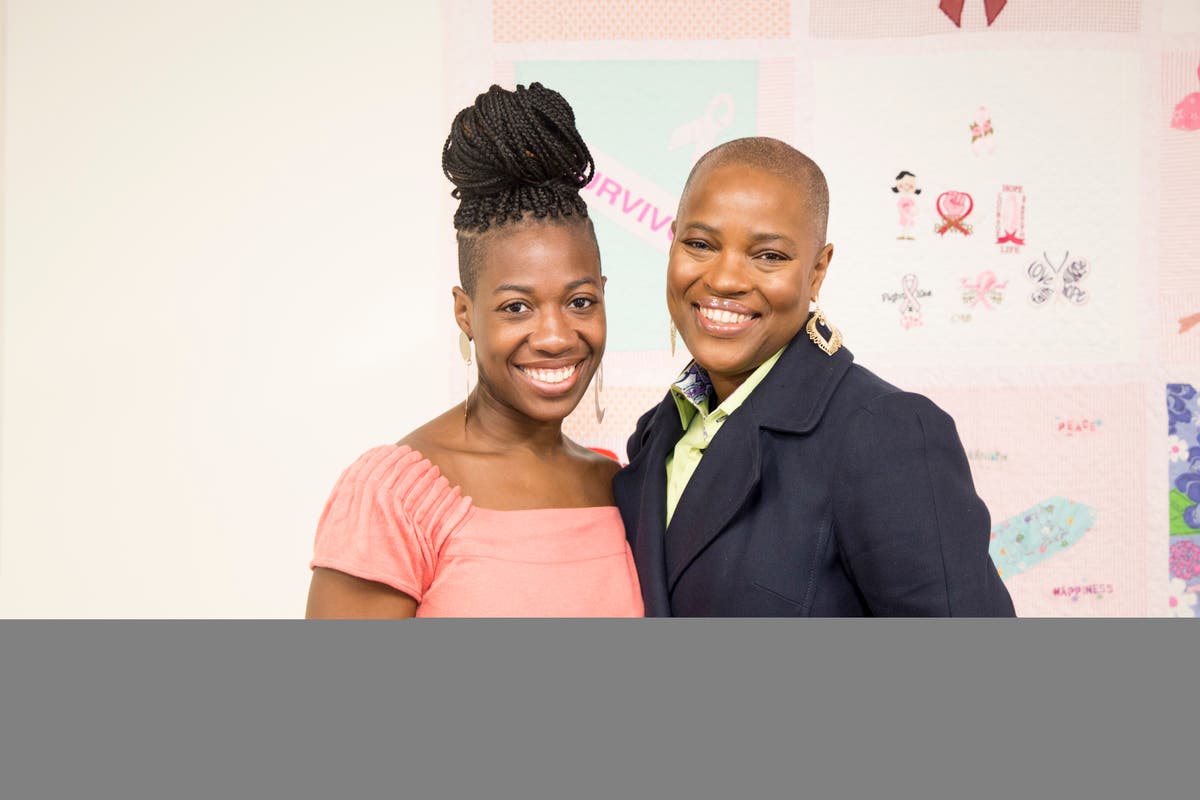
Desiree Walker (pictured above, right), a two-time breast cancer survivor, is determined to eliminate the health gap for African-American and Afro-Caribbean women in underserved NYC communities.
Walker works with SHARE, a New York City-based breast and ovarian cancer nonprofit, as a coordinator for its African-American Ambassador program. The program is an outreach initiative that trains women of color to educate their communities about breast and ovarian cancer in order to reduce health disparities. Walker also facilitates SHARE's Harlem support group for women of African descent.
Walker herself was first diagnosed with breast cancer at 38 years old. The illness took her by surprise, as she’d previously regarded breast cancer as an older woman’s disease.
Find out what's happening in Harlemfor free with the latest updates from Patch.
“When I was diagnosed, I knew the words 'breast' and 'cancer' but very little about breast cancer as a disease, which made me feel powerless,” Walker says. “As a result, it's been my mission to educate communities, especially women, and empower them if they should ever hear the words 'you have breast cancer.'”
In 2018, the Ambassador program reached more than 31,000 women in the five boroughs. SHARE Ambassadors are all women of color, trained to share their experience with cancer in their communities and distribute reliable information about breast and ovarian cancer symptoms, screenings, and potential risk factors at community health fairs, churches, and consulates.
Find out what's happening in Harlemfor free with the latest updates from Patch.
Walker also wants women to know the importance of advocating for themselves, recalling an encounter with an oncologist she believed didn’t take her concerns seriously.
“Don’t be afraid to speak up if something doesn’t feel right. It’s important that you voice your concerns and feel heard through every step of the journey," she says.
Research has shown significant health disparities for women of color, including different treatment within the medical system. Black women are 42% more likely to die from breast cancer than White women, are often diagnosed with more aggressive cancers at later stages, and do not receive timely follow-up after diagnosis and treatment.
“Women of color face many barriers when it comes to their health,” said Ivis Febus-Sampayo, SHARE’s Senior Director of Programs. “Outreach like the Ambassador program is just one way we’re working to change that.”
Walker also leads a breast and ovarian cancer support group for women of African descent, meeting twice a month in Harlem. The group is an opportunity to connect with other women who are also undergoing the challenges particular to being a woman of color with cancer. “It’s a safe space for everyone to be candid and comfortable to share whatever’s on their mind without fear of judgment,” Walker says.
The Harlem support group for women of African descent meets at Countee Cullen Library at 104 W. 136th St from 4-5:30pm on March 19 and April 16 and from 5-6;30pm on February 5, March 5 and April 2. Interested participants can register at 212-382-2111.
The SHARE Ambassador Program is funded by the New York City Department of Health and Mental Hygiene, Fashion Targets Breast Cancer Fund in The New York Community Trust, Genentech, and generous SHARE donors. For more information, including how to participate, visit: sharecancersupport.org/outreach/share-ambassadors
To schedule a drop-off or presentation by a SHARE Amabssador at a local community establishment, contact outreach manager Dominique Bethea, dbethea@sharecancersupport.org
About SHARE
SHARE is a national nonprofit that supports, educates, and empowers women affected by breast or ovarian cancer, with a special focus on medically underserved communities. SHARE meets women wherever they are with the insight of others who have been there too, creating a nationwide community where no one feels alone. SHARE’s free services, provided in both English and Spanish, include support groups, expert-led educational programs, national Helplines, community outreach, online communities, corporate education programs, advocacy opportunities, caregiver support, and survivor-patient navigation. Visit www.sharecancersupport.org