Community Corner
Methadone And Harm Reduction In Harlem
The illusion that Harlem suffers any more from America's sweeping opiate crisis is a result of the medical redlining that continues...
This is a paid post contributed by a Patch Community Partner. The views expressed in this post are the author's own, and the information presented has not been verified by Patch.
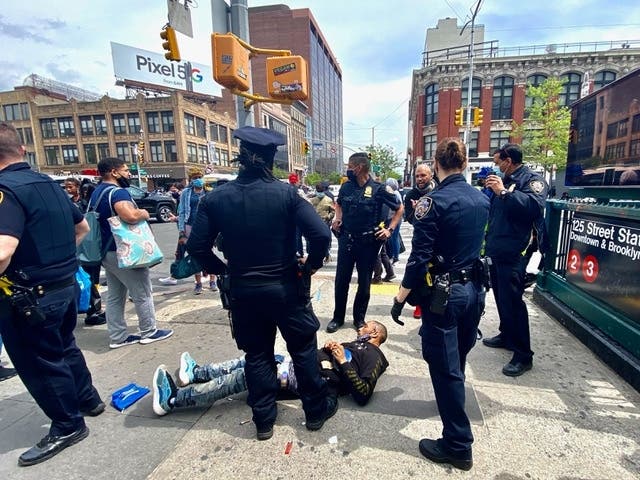
A man convulses from an overdose on the corner of 125th Street and Malcolm X. Four cops are on the corner until five more come. Another man is screaming at them to give Narcan until the paramedics show up. “Job testing, placement, GED. Job testing, placement, GED. Shows over folks.” A woman sets up a table in front of the 2/3 station and shouts. Community members disperse from the scene occurring around the corner from three methadone clinics.
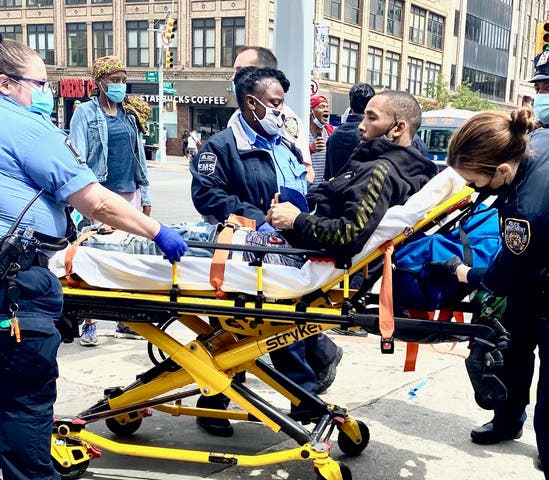
According to the Office of Addiction Services And Support (OASAS), there are approximately 64 methadone clinics active in New York. The Greater Harlem Coalition reports 75% of the people that use Central Harlem drug care facilities do not live in Harlem and specifically in East Harlem where the number is up to 81%. Methadone treatment in New York City was pioneered in 1964 as a response to the post World War II heroin epidemic across United States cities. At the time, clinics were implemented as experimental and temporary treatment centers to facilitate long-term recovery from opioid use by creating on-site administration of a “synthetic morphine” to wean individuals off heroin, painkillers, and other opiates. Methadone, unlike suboxone, which is prescribed and often self-administered, is given on site, so patients must line up every day at the clinic to receive treatment.
Find out what's happening in Harlemfor free with the latest updates from Patch.
The illusion that Harlem suffers any more from America’s sweeping opiate crisis is a result of the medical redlining that continues to place methadone clinics, treatment centers, homeless shelters, and needle exchanges in primarily black and brown communities. The concentration of clinics creates visual disruption of civic life and an increase of gang-related and drug-related violence. Patients experiencing withdrawal symptoms from opiates are vulnerable to relapse, and the early morning lines outside the clinics attract drug-dealers. The result is an environment reflecting the myriads of drug activity outside the clinics.
“This can’t be normal. It can’t be normal that people walk by and don’t do anything,” says Joshua Clennon, a candidate in the upcoming city council election on June 22nd for District 9. Clennon serves as treasurer of Manhattan Community Board 10 and co-chair of Economic Development for the NAACP Mid-Manhattan Branch.
Find out what's happening in Harlemfor free with the latest updates from Patch.
Increasing clusters of methadone and mental health treatment facilities in Harlem has mobilized civic engagement and organization among Harlem residents and business owners to create the Greater Harlem Coalition, a grassroots organization of various tenant and block associations, small businesses, faith-based organizations and community members who aim to reverse decades of medical redlining in Harlem. Despite only being home to 1.5% of the New York City population, East Harlem has 13.6% of patients needing in-patient drug treatment, according to OASAS. Clinics see between 600-800 patients a day per shift.
“Now to be clear we support all forms of affordable housing, homeless shelters and temporary housing,” says Syderia Asberry-Chresfield, co-founder of the Greater Harlem Coalition (GHC). “But importantly, these social services in Harlem are servicing residents from outside of our districts, and our residents do not even get the support that they need.”
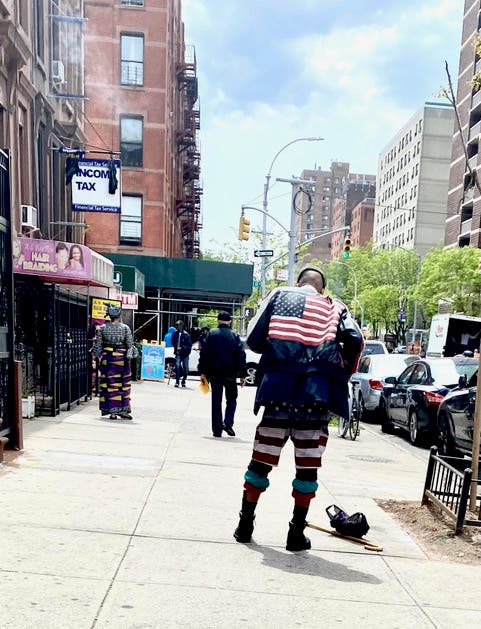
In 2015, Mayor DeBlasio issued a rezoning policy to maintain affordable real-estate costs, which has created a commercial real-estate possibility for an influx of clinics, and Harlem is still experiencing the consequences today as plans for a new facility are projected to be built on 118th and Lexington by the OASAS. Clennon proposes amending the zoning policy that allows clustering in specific areas to encourage an even distribution of clinics across the city and increase accessibility for persons seeking treatment. Rather than requiring someone to travel to Harlem every day for treatment and line up every morning to receive a monitored dose of methadone, clinics should be built closer to the places where patients reside.
Comparable attempts in other cities have received lawsuits in violation of the Americans with Disability Act for discrimination against persons seeking controlled substance treatment for addiction, including Louisville, Boston, and Reading. Clennon believes comprehensive model legislation can provide Harlem residents an opportunity to learn from the discussions and negotiations in other cities in order to reframe zoning policy to increase accessibility across New York City and push against medical redlining in Harlem.
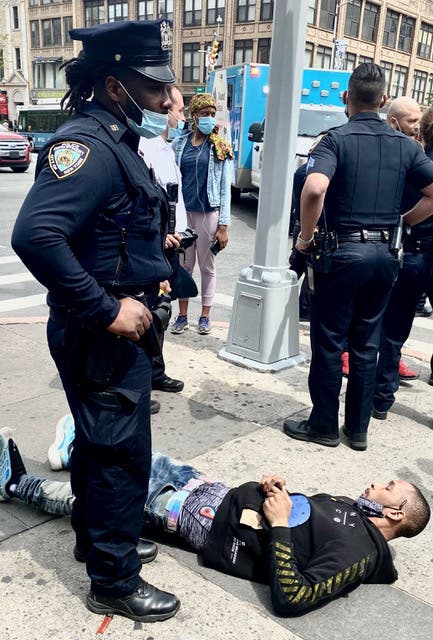
“The difference between existing regulations and what we’re proposing is to address the clustering of the sites by putting zoning restrictions on the proximity of methadone clinics to other existing methadone clinics whereas we’re not restricting access to these sites for any community,” explains Clennon, “but rather ensuring they are more evenly distributed to increase access for more communities.”
“Professionals who are able to guide persons with chemical dependency and mental health disorders into supportive housing, rehabilitation, and to necessary social services are a better use of public dollars,” says Clennon, Arresting and fining individuals for drug-related activity will only feed into the recidivism rate already present without guiding solutions that aid and alleviate addiction and mental health disorders. Police cannot fix the issues that require collaboration between nonprofits, community organizations, and faith organizations with policy makers and municipal bodies to create accessible and equitable harm reduction infrastructure in Harlem and across New York City. “Anybody can recover and fight through addiction,” says Clennon. “They need the right support and social systems surrounding them.”
The oversaturation of clinics and treatment centers form an urbanized network of commercial spaces designated for drug and mental health rehabilitation. This network creates an environment unwanted by Harlem, Central Harlem, East Harlem, Uptown, and Sugar Hill residents. There’s no greater drug problem here than in any other community and neighborhood across the country facing the opioid epidemic; however, the drug problem has been funneled into Harlem streets and Harlem property.
By: Tori Gruber
This post is an advertorial piece contributed by a Patch Community Partner, a local brand partner. To learn more, click here.