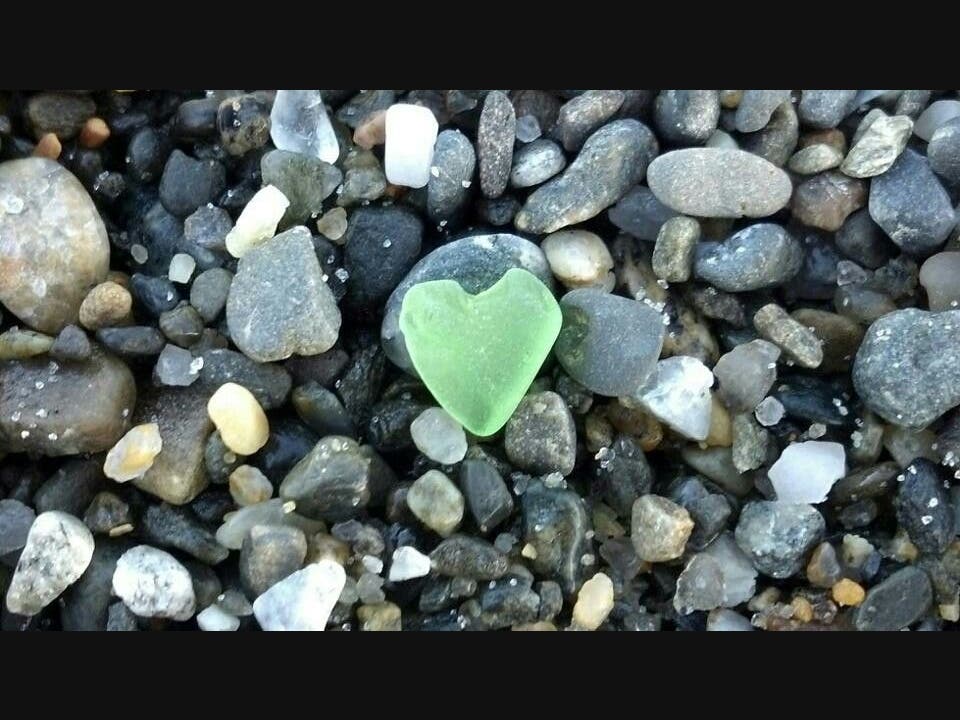
Mermaid’s Tears…
It’s summertime!
Ah, the bright sunshine, extended daylight, warm breezes, ocean activities, and nurdles. Wait, nurdles?
Find out what's happening in Massapequafor free with the latest updates from Patch.
Defined as, “a very small pellet of plastic which serves as raw material in the manufacture of plastic products,” it breeds a sense of order and innocence, but closer examination is advisable.
Transport of these miniscule objects via ships has led to spillage and illegal dumping of more than eleven trillion annually of these pesky persistent and unretrievable hazards floating in waterways, lining seashores, and inhabiting the guts of animals.
Find out what's happening in Massapequafor free with the latest updates from Patch.
The industry that produces this ubiquitous debris, deceptively conceals its sinister nature in the cute and quirky designation of nurdles to distract from its perils.
Somewhere along its evolution, they were eloquently and slyly reinvented into mermaid’s tears, to which they gained respected buoyancy and happily floated with a euphemistic status boon for the undeserving lentil-sized plastic.
The title of Mermaid’s tears was originally granted to glittery iridescent sea glass, which was sculpted by the oceans’ currents from smashed glass bottles, that drifted ashore.
Folklore postures that Neptune forbid a mermaid from her human love, and her tears are the beautiful glass.
Without consequences or precautions for falsely labeled or rebranded goods, no one is the wiser or the winner.
Even though this nomenclature sounds harmless, it possesses very real problems.
Nurdles are also the worn-down larger chunks of everyday manmade single-use disposable plastics, such as water bottles, food containers, cutlery, plates, cups, and so on.
One of the reasons it is so adored is its enchanting versatility and ease, that align with being cheap, lightweight, and essentially unbreakable.
However, these tidy assets have a messy side that looms like an approaching plastic waste tsunami, disturbing and decimating everything in its path.
Only nine percent of all plastic ever manufactured has been recycled, cautioning that recycling is another slick fib that lets us feel better about using such a treacherous product, while we kid ourselves that it is being reprocessed for its better good and ours.
Another dirty secret is that all this broken-down physically weathered plastic will not decompose; it only gets smaller.
Thousands of years will display fragmented nanoparticles that have already been found inside microscopic plankton, showing the severity and extent of these immortal substances.
Plastic’s chemicals, Bisphenol A and phthalates to name a few, also leach out into the water with their obesogens and other hormone disrupting ingredients.
Created from fossil fuel petrochemicals, plastics have an affinity for all kinds of pollutants and contaminants, such as E. Coli, which merrily hitches a ride on what is referred to as plastic rafting.
Along with polluting water, they release greenhouse gases into the atmosphere indicating another breached barrier.
Canada recently placed a ban on six prevalent types of single-use plastics.
It’s time to follow suit and get onboard.
Neither nurdles nor sea glass may be mermaids’ tears, but that doesn’t mean that the mermaids aren’t crying.
~"The Lord God took the man and put him in the garden of Eden to work it and keep it,” Genesis 2:15. ~
HEaling Link® will meet Tuesday, July 5, 2022 @ 7:30pm via Zoom. For more information, please contact Jackie: HEalingLink03@gmail.com Isn’t it time to get Linked?