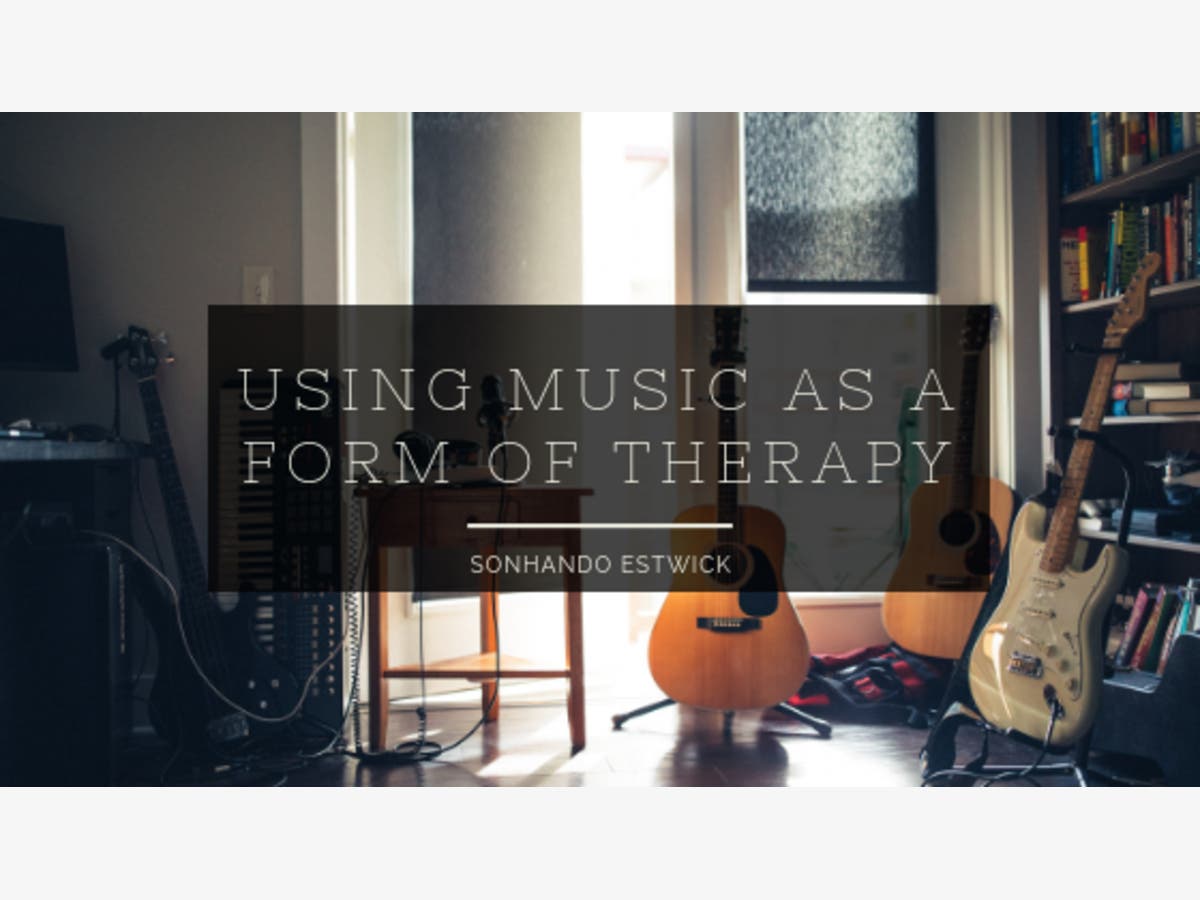
Music therapy is an established health profession by experts that has been used to increase brain activity in coma patients and treat ptsd, along with many other benefits for individual cases. After understanding the specific needs of a patient, a health professional will come up with a course of action that can include listening to, singing, writing, or dancing to music. There are four major interventions involved with music therapy.
Improvisation Music Playing
Playing an instrument can help with emotional expression, exploration of therapeutic themes such as grief, conflict and communication and can increase socialization. When using musical therapy in a group setting, you’re able to express yourself with sound. For example, a group trying to overcome and express anger may want to create a deep sounding storm with the use of drums. Improvising a perfect storm piece creates the opportunity for everyone to explore and discuss their feelings further.
Find out what's happening in Midtown-Hell's Kitchenfor free with the latest updates from Patch.
Lyric Analysis
We all have a song that we can relate to during different moments in our life. Lyric analysis allows people to discuss these topics without finding the exact words. Music can help people express feelings and put together words that they normally have a hard time saying. It is less threatening since the individual is allowed to pick certain parts of a song to relate too, opposed to coming out and saying what they are going through directly. This part of therapy allows for an individual to choose a song lyric that correlates with their experiences and discuss it.
Find out what's happening in Midtown-Hell's Kitchenfor free with the latest updates from Patch.
Active Music Listening
During music therapy, music can be used to help regulate the mood. Due to its rhythmic and repetitive aspects, it triggers our neocortex of the brain, which calms us and reduces our impulses. Although there are many benefits of playing music that matches our mood, it can also keep us stuck in different states that include anger, anxiousness and depression. In order for musical therapy to work, it must first start in the mood that you are in, and then slowly change to a more positive and calming sound.
Songwriting
This skill will provide opportunities for expression in a rewarding and positive way that most people going through musical therapy need. It is different than writing in a journal, since songs are created for people to listen too. This process can enhance self worth and validation for yourself. Songwriting allows for reflection of emotions within the lyrics.
Music therapy is not for everyone, but it has been proven to work. In many different cases, it has given people a second chance at life. Alternative ways to deal with problems are always respected when you can see results, this is why the trend of music therapy has grown immensely.
Originally published at sonhandoestwick.net on October 9, 2018.