Health & Fitness
COVID-19 Vaccinations Fall Along Economic, Racial Lines: Survey
Public Health Solutions found that of New Yorkers surveyed and those who had received at least one shot, 43 percent earn over $100,000.


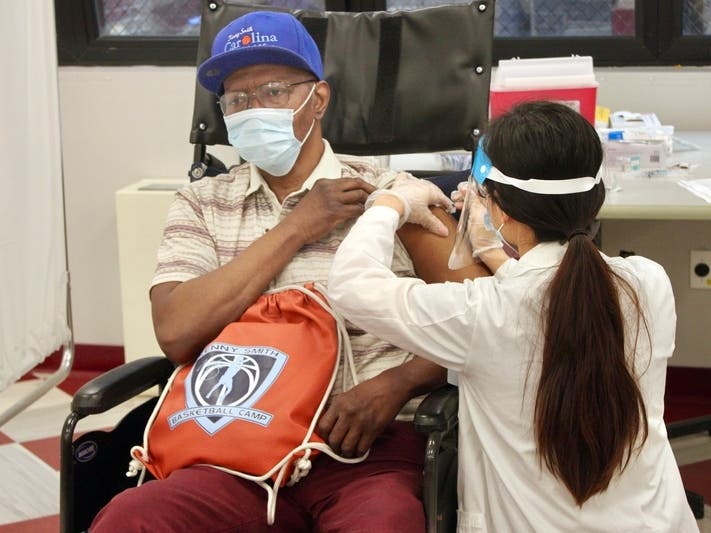
NEW YORK CITY — Although more than 5 million New Yorkers have gotten at least one dose of the coronavirus vaccines, who is receiving a shot in the arm continues to fall along racial and socioeconomic lines and favors high-income residents, results from a new survey released this week shows.
The findings, which were compiled from a survey completed last month by Public Health Solutions, showed that 45 percent of white vaccine-eligible New York City residents have received shots earn more than $100,000 per year. That number is in stark comparison to only 7 percent of those who received doses of the vaccine who are Black and make less than $50,000, the not-for-profit organization announced.
While the city has been doling out more than 500,000 doses of the vaccine in a given week of late, Public Health Solutions found that 70 percent of Black, low-income New Yorkers have not received their first dose, the group reported. This week, Mayor Bill de Blasio said that with the pace the city is on, it should hit the target of having 5 million residents fully vaccinated by June.
Find out what's happening in New York Cityfor free with the latest updates from Patch.
The survey was completed when vaccine eligibility included frontline workers and those residents who suffer from underlying health conditions. The study reached out to 1,000 city residents of various economic levels in all five boroughs.
“The pandemic has been a wake-up call for many about the inequities that have plagued New York City for decades,” Lisa David, president and CEO of Public Health Solutions said in a news release. “However, we are a year into the crisis, and high-income New Yorkers have better vaccination rates, economic opportunities, and health care access than their poorer neighbors.”
Find out what's happening in New York Cityfor free with the latest updates from Patch.
The survey also showed that:
- 59% of vaccine-eligible low-income respondents have not received any shots yet, compared to only 19% of vaccine-eligible high-income respondents.
- 41% of high-income respondents who haven’t been vaccinated say they are extremely likely to get it when they’re eligible, versus 26% of unvaccinated low-income respondents.
- Among those who have not received a vaccine, 32% of low-income respondents are not sure they will get one, versus 19% of high-income respondents.
- 64% of high-income white respondents said they are currently eligible for the vaccine, compared to 44% of Black, 39% of Hispanic, and 25% of Asian low-income respondents.
- 25% of low-income respondents were not sure when they would be eligible for the vaccine, compared to 9% of high-income respondents.
“It’s clear we have a long way to go in our fight for equity, and this survey shows that the disproportionate impact of COVID-19 and the resulting economic fallout is far from over,” David said in the release. “As vaccine eligibility continues to expand, we are pushing for better vaccine education and access for marginalized communities.”
In addition to the findings about the distribution of vaccine distribution, communities of color also continue to be impacted by the ongoing coronavirus pandemic. The survey found that only 50 percent of Black residents surveyed have received a COVID-19 test while only 40 percent of Asian respondents had been tested, which is in comparison to 60 percent of white residents who participated in the survey.
Additionally:
- Nearly 40% of low-income New Yorkers have not received any form of COVID-19 testing or care, compared to 22% of high-income respondents. In the group's September 2020 survey, Public Health Solutions found that 57% of low-income New Yorkers had not received COVID-19 care, versus 36% of high-income respondents.
- A quarter of low-income respondents do not know the location of their nearest COVID-19 testing site, compared to 13% of high-income respondents.
- Nearly one-third (32%) of Manhattan respondents have received in-person primary care to treat COVID-19, compared to 23% in Brooklyn and 17% in the Bronx.
- More than half (52%) of Manhattan respondents have a COVID-19 testing site within half a mile of their home, higher than every other borough — including 38% in the Bronx and 36% in Brooklyn.
Get more local news delivered straight to your inbox. Sign up for free Patch newsletters and alerts.