Health & Fitness
Swimmer's Ear Can Affect Landlubbers, Too
Exposure to water isn't necessary to have swimmer's ear.

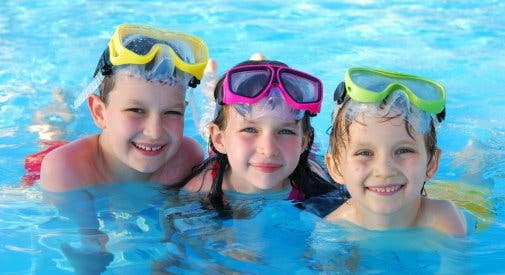
You don’t have to take a dip in the pool to come down with swimmer’s ear, says a New York pediatrician.
This painful inflammation and infection of the external auditory canal – known as otitis externa – can happen to landlubbers, too.
“It is commonly called ‘swimmer’s ear’ because it happens in swimmers, but anything that breaks down the natural defenses of the external ear canal can cause otitis externa,” said Minu George, MD, Interim Chief of the Division of General Pediatrics atCohen Children’s Medical Center of New York. “Humidity, excess moisture, trauma, or either too much earwax and too little earwax could all predispose a person to otitis externa.”
Find out what's happening in New Hyde Parkfor free with the latest updates from Patch.
Bacteria are the most common culprit, but fungal infections can also lead to swimmer’s ear, Dr. George said. Treatment may include antibiotic drops to kill the bacteria, as well as pain medication if necessary.
An estimated 2.4 million Americans are diagnosed with the condition each year, according to the Centers for Disease Control and Prevention. Although all age groups are affected by it, it is more common in children.
Find out what's happening in New Hyde Parkfor free with the latest updates from Patch.
Signs and symptoms of swimmer’s ear can include:
- Itchiness inside the ear.
- Redness and swelling of the ear canal.
- May be hard to hear because of the swelling.
- Pain when the infected ear is tugged or when pressure is placed on the ear.
- Pus or watery like substance draining from the infected ear.
To prevent swimmer’s ear, Dr. George suggests:
- Keep ears clean and dry.
- Wear a swim cap when swimming.
- Do not use Q-tips, bobby pins or any small objects to dig in the ear canals.
- Over-the-counter mixtures of one-part rubbing alcohol and one-part white vinegar can be used to keep ears dry after swimming.
Click here for more information about treating swimmer’s ear.