Community Corner
New Show, 'United We Laugh' Sparks 'Needed' Dialogue About Racism
The tour kicked off on the North Fork, drawing an engaged crowd who spoke at length; a new show is in the works for the South Fork.


NORTH FORK, NY — In a nation fiercely divided, with headlines about heated cases sparking racial tensions and hate crimes an escalating concern, a new comedy tour kicked off recently that aims to create a bridge to healing through conversation, understanding, tolerance — and humor.
Comedian Riche Byrne, known for his national and international performances and his work as the warm-up comic for "The Dr. Oz Show" has created "United We Laugh," a hilarious event designed to heal through hope and lead through laughter.
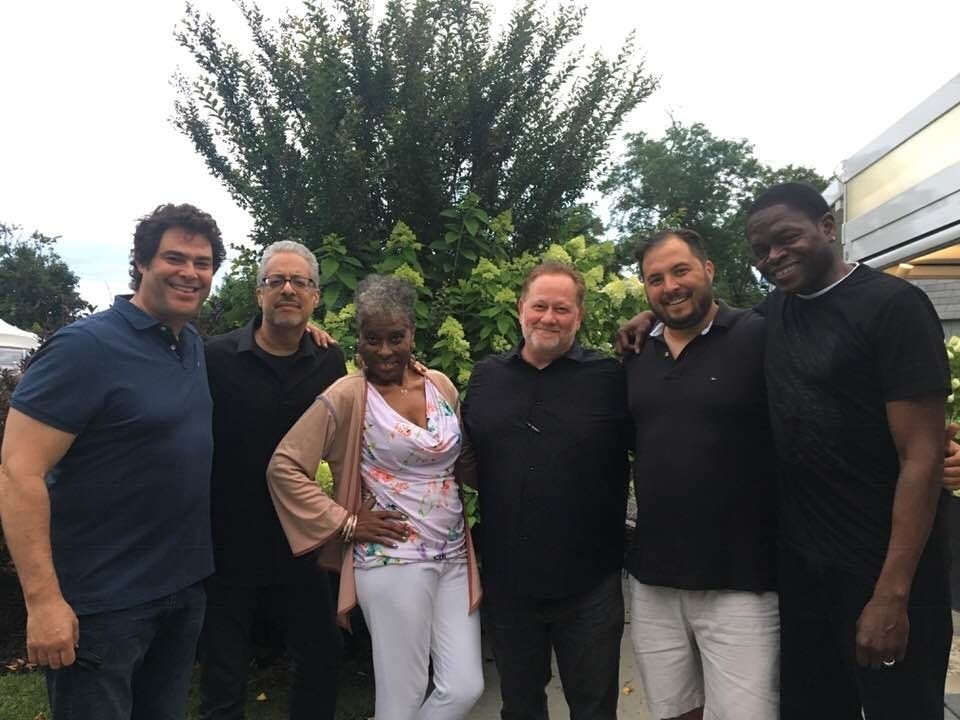
The first show, which debuted at the Hellenic Snack Bar & Restaurant in East Marion, featured Byrne and a diverse mix of four well-known comedians —Angelo Lozada, Mike Britt, Rhonda Hansome and Mark DeMayo — representing all sides of the heated racial debate and opening up about their own lives and experiences.
Find out what's happening in North Forkfor free with the latest updates from Patch.
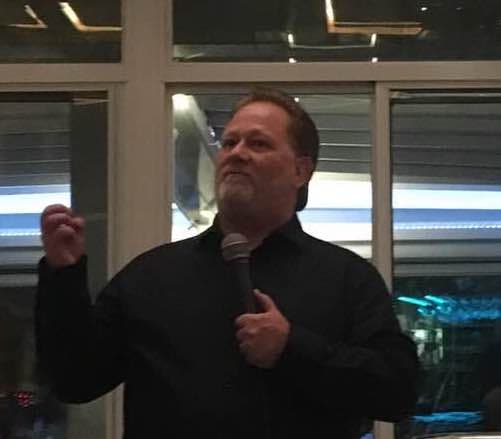
(Lisa Finn)
The first act featured the comedians performing their acts, infusing the evening with humor and bonding the audience before a break-out second act that smashed barriers and shone a light of hope into the dark mire of hatred that envelops much of the nation today.
Find out what's happening in North Forkfor free with the latest updates from Patch.
Act II unfolded with all five comics onstage discussing "hot button topics"about racism — including the controversial use of the "n" word, tensions with law enforcement, the volatile political climate, and how all can work together to find solutions.
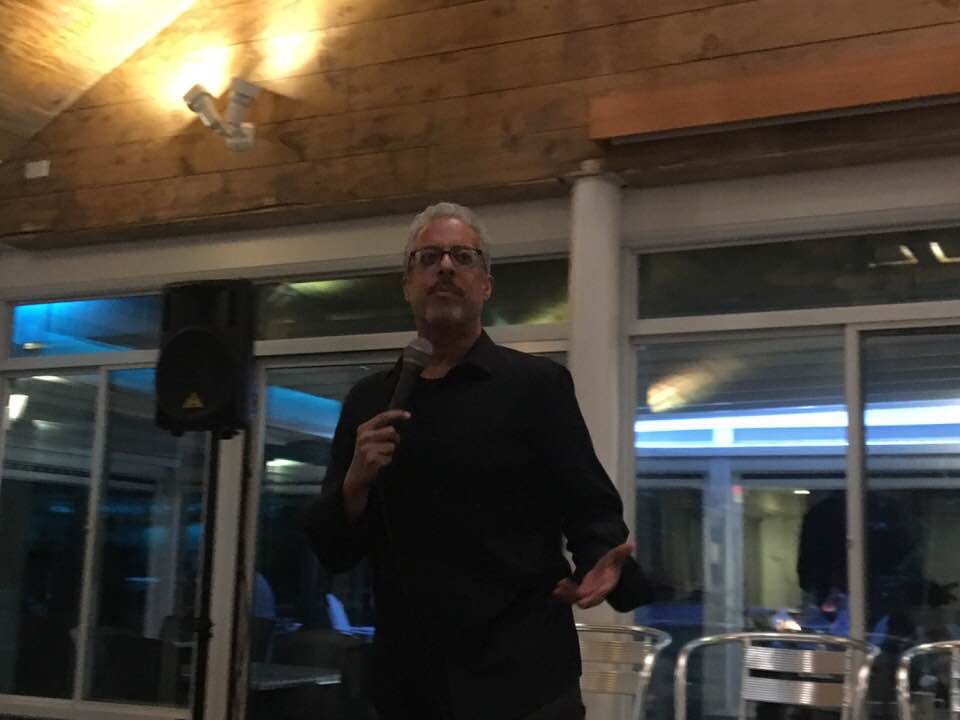
(Lisa Finn)
While the audience was, and will continue to be, a critical component in the show's diverse canvas, not everyone who attends has to participate in the discussion, but all are welcome to do so.
Race relations have been the most explosive issue in America for quite some time — one of the biggest topics for debate in this country today, the issue has created an angry divide, Byrne said.
A major part of the dilemma is the inability to see the alternate perspective, he added. "We need to hear another's point of view in a way that's more relatable and less volatile. The only way to accomplish this, one that's been overlooked, is through humor. Off-the-cuff honesty in humor has been compromised by a spike in sensitivity on all sides to the fear of offending. Humor is the most important tool in American society, and yet, the one component that seems to be lacking when it comes to race relations."
Speaking from the audience, Robert DeSena, founder of the Council for Unity organization, which fights back against insidious gangs in schools, jails and in the community, said he's worked in heated environments and yet, created a band of brothers among all races and social ranks, where once stood enemies. "My message is, there's hope," he said.
Former gang member Sean Dino Johnson, director of program marketing for CFU, said many young people today are "traumatized. They don't know their value or worth." Some who loosely throw around the "N" word, he said, tell him it's a form of endearment.
"I ask them, 'You think you can change the meaning of the word?' Imagine you came from Tokyo and you didn't know English and someone called you a . . .and you call everyone that word. " Johnson used a pejorative term. "Then you find out what that word means, are you still going to use it? We have to educate, help them to understand, because racism and hate starts within. We don't need enemies because there are a lot of us that hate ourselves."
The bridge toward unity and true change, Johnson said, begins with teaching individuals their true worth and value — something that must happen with education
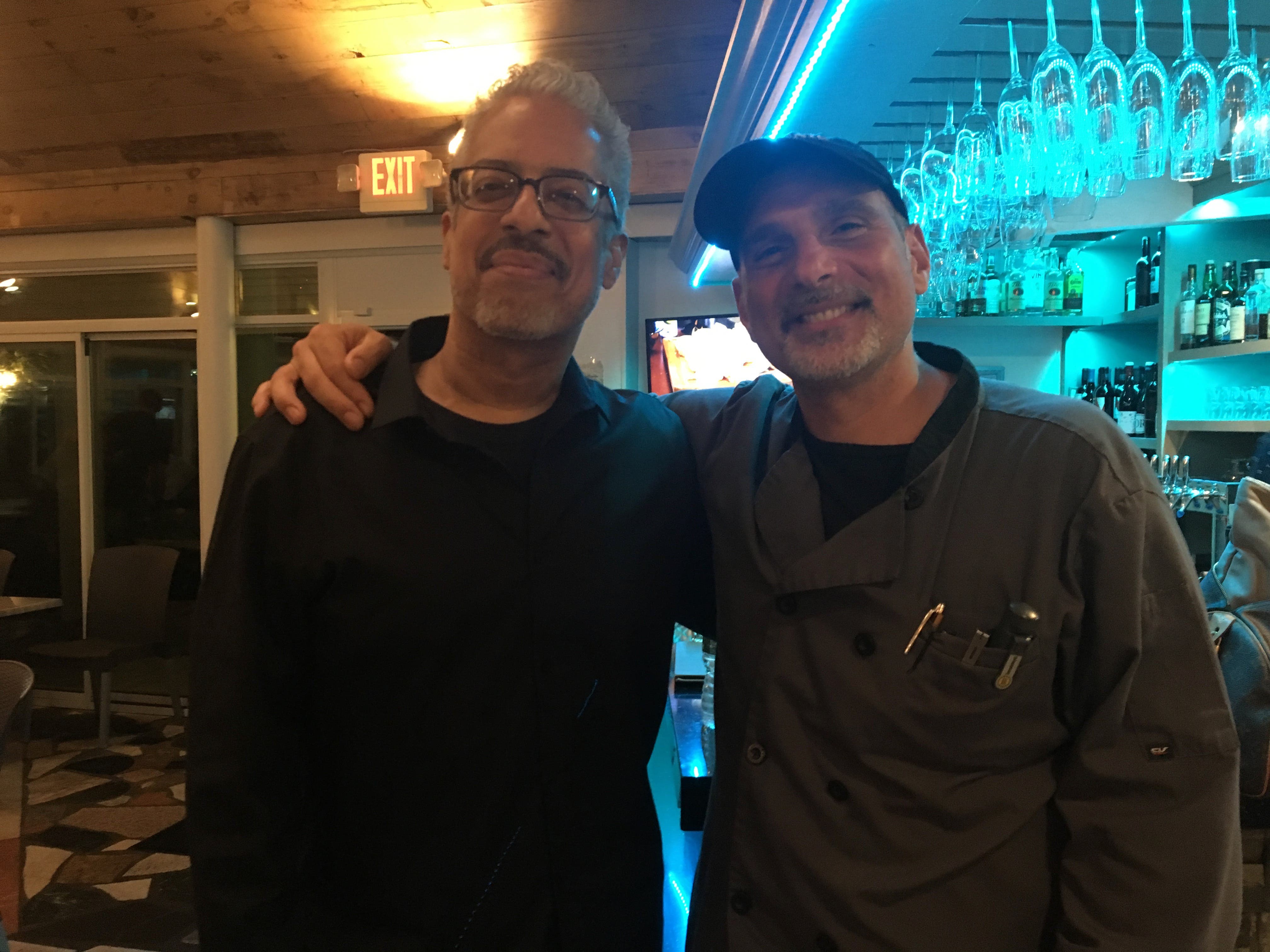
(Lisa Finn)
George Giannaris, owner of Hellenic, said as a young Greek boy growing up on the North Fork, his family faced their own backlash. "We weren't welcomed here," he said. "There were cabins here then, and they'd smash the windows with pumpkins. There was graffiti on the walls that said, 'Greeks go home.'"
The threat has existed throughout history, he said; when a new group of immigrants or of a different race or culture moves into an area they have been perceived as a threat, he said.
"My dad did something very interesting," he said. "He ignored it and put all of his focus on serving people. I saw my father expressing his love toward people through food."
Today, Giannaris said, he believes individuals should love one another through their gifts. "I don't care who you are, what you are, if you are human, and you are here to eat, I'm here to feed you," he said. "Why don't we just love each other with our gifts and just forget about everything else?"
After the show, Byrne thanked Soul Joel Productions and said he was thrilled that the first audience opened up as much as they did.
"At some points it even got heated but to watch people come together and try to make a difference was really interesting and amazing," he said.
Byrne said he was also happy with the wide range of topics and the passion and hunger for discussion that was brought by the audience.
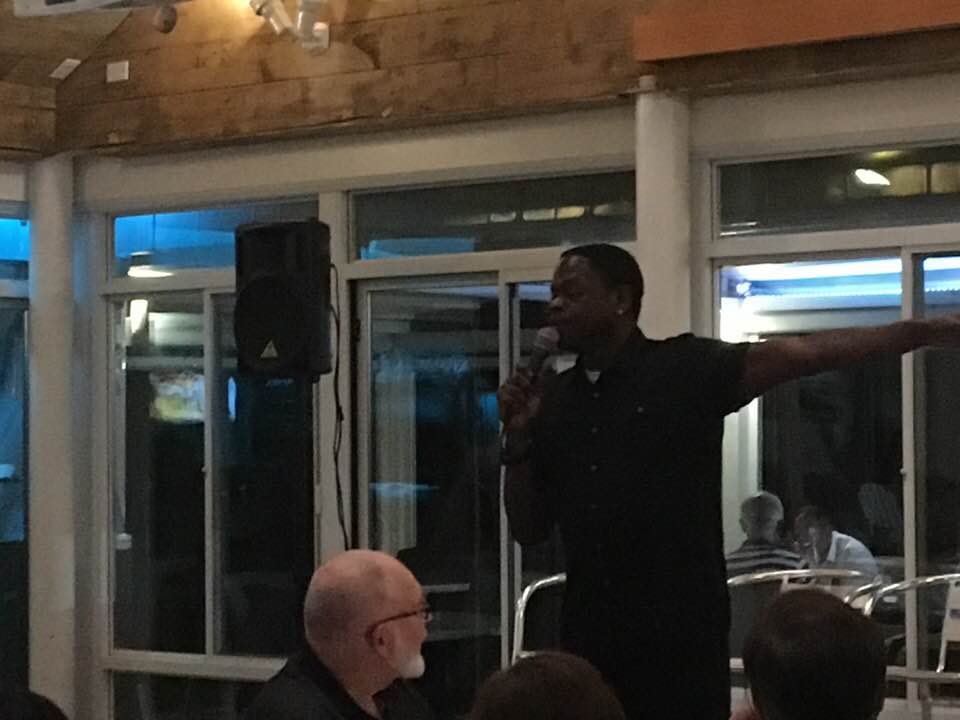
(Lisa Finn)
"It's pretty obvious that people want to talk about this, want to open up," he said. "And, there was a level of civility that was important and needed as we move forward."
The comics, too, opened up and shared their unique journeys, something that Byrne was impressed by.
After attending an event on racism at Guild Hall in East Hampton a few weeks after United We Laugh and hearing feedback from many who had attended the UWL show, Byrne said he expects an even bigger turnout at future performances. "We have an engaged public eager to join the discourse," he said. "There's so much happening in the world today. We need to have a safe place to discuss the issues."
The comedy was critical, Byrne added. "It made people a little more comfortable. During the audience participation portion, it wasn't as volatile as it could have been because the consensus was, 'Let's get going and fight back against bias.' There was an element of community when the comedians were all performing."
Byrne's premise has long been that in an atmosphere of friendship, it's always easier to discuss issues including racism without rancor, due to the level of trust and respect. That environment is one he hopes to foster in the "United We Laugh" shows, where the mood is reminiscent of a group of friends sharing conversation over dinner. "When you go to a party, you sit, you laugh, and you debate — and that's what happened," Byrne said.
The show, he added, is important now more than ever. "Comedy can help defuse the anger and leave it at the door — making the show a safe place to discuss the issues. At this juncture in society, this show is necessary," he said. "The goal is to make people laugh and discuss bias without boundaries."
After the show, audience members said the event was a healing, uplifting experience.
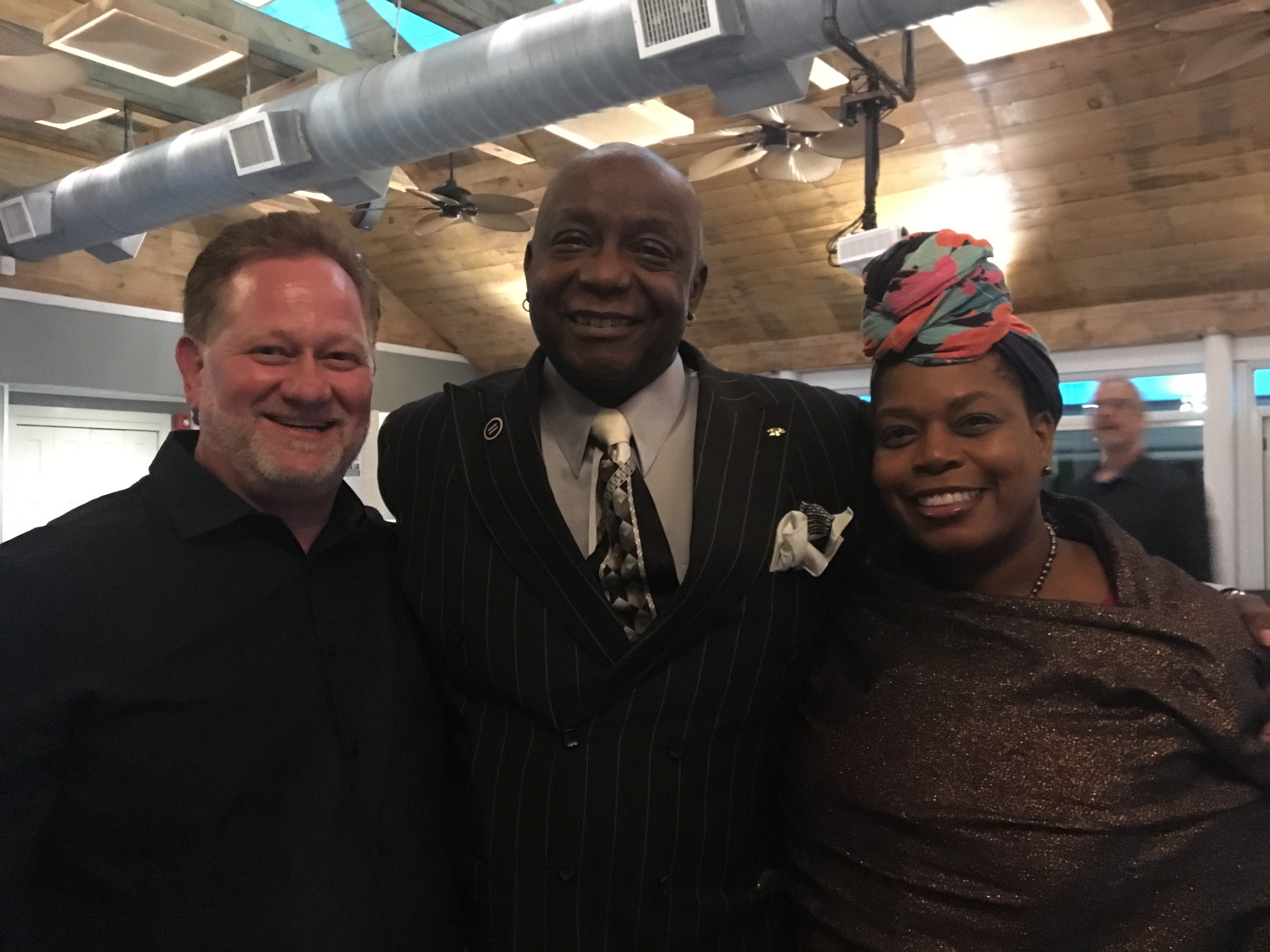
(Lisa Finn)
"Because of white fragility as identified by author Robin DiAngelo and the desire by many African Americans to expedite assimilation, racism is a difficult subject to discuss. A comedic opening to the dialogue seems to help folks talk candidly on the subject. 'United We Laugh,' many times, helps us get to much-needed straight talk," said James Banks, coordinator of multicultural affairs at Suffolk County Community College.
Added DeSena: "The 'United We Laugh' show used humor to address the racial and cultural divides that beset us as a country. The comedians amplified the stereotypes that have resulted in friction and conflict for many groups, which stirred dialogue from the audience in the hopes of finding pathways to reconciliation."
Plans for United We Laugh" include a multi-entertainment, multi-cultural tour, podcast, Facebook Live program and television show. A date for a South Fork performance will be announced soon.
"I have always been impressed by comics who bring bias and race into their acts but noticed it was very rare to see white comics do it. There's a fear from all sides that is understandable and yet, regrettable. How can we possibly fix the problem of race in this country if we are going to exclude certain voices?" Byrne asked.
Instead, he said, all voices need to come together, really open up and discuss in truth what each group is feeling and why, "so we can turn a corner and truly make progress. People are frustrated because they think they are not being heard but the truth is, somebody else can't see their perspective because they have not lived it. This creates anger and a divide rather than understanding. Laughter can help to fix that."
After a lengthy discussion with Dr. James "Butch" Rosser, a renowned surgeon who grew up in the Deep South, Byrne was convinced the idea for the show could be groundbreaking.
Rosser believed from the first in the idea of a comedy show that could use discourse to break down racial barriers and create healing.
Speaking to Patch, Rosser said there is a need to encourage communication in the world today.
"It's amazing how misunderstanding can generate fear. People just don't naturally want to communicate. They have a silo mentality. We just bunker down and therefore, things stay the same."
However, he said, "If you are looking for a solution, look around for some type of medium that can actually transport communication and understanding. One of those things that's amazing is how we can join together and laugh. Comedy has a way of putting us on common ground."
Growing up in Mississippi, Rosser said in the segregated South as a black boy he was not able to drink from the same water fountain as white children. "We struggled to see signs that America included us, too," he said.
Comedy on television, though, was a symbol of change. "I never forgot the day, in my mind, when black people were recognized as an entity in a series."
He saw a black man starring in the comedy action series "I Spy", and found hope.
"He was recognized not as a black man or a white man, but as an American," he said. "Comedy can span and interact across cultural differences — and that's what we need today."
Preparing for the show's debut, Byrne spoke to local stakeholders including members of the NAACP, Anti Bias Task Force, Council For Unity, and other community organizers, to glean an understanding of unique issues facing the East End, which stands at a crossroads, as does the nation and world.
A positive response across the board made Byrne realize that "there might be something more here than even I thought."
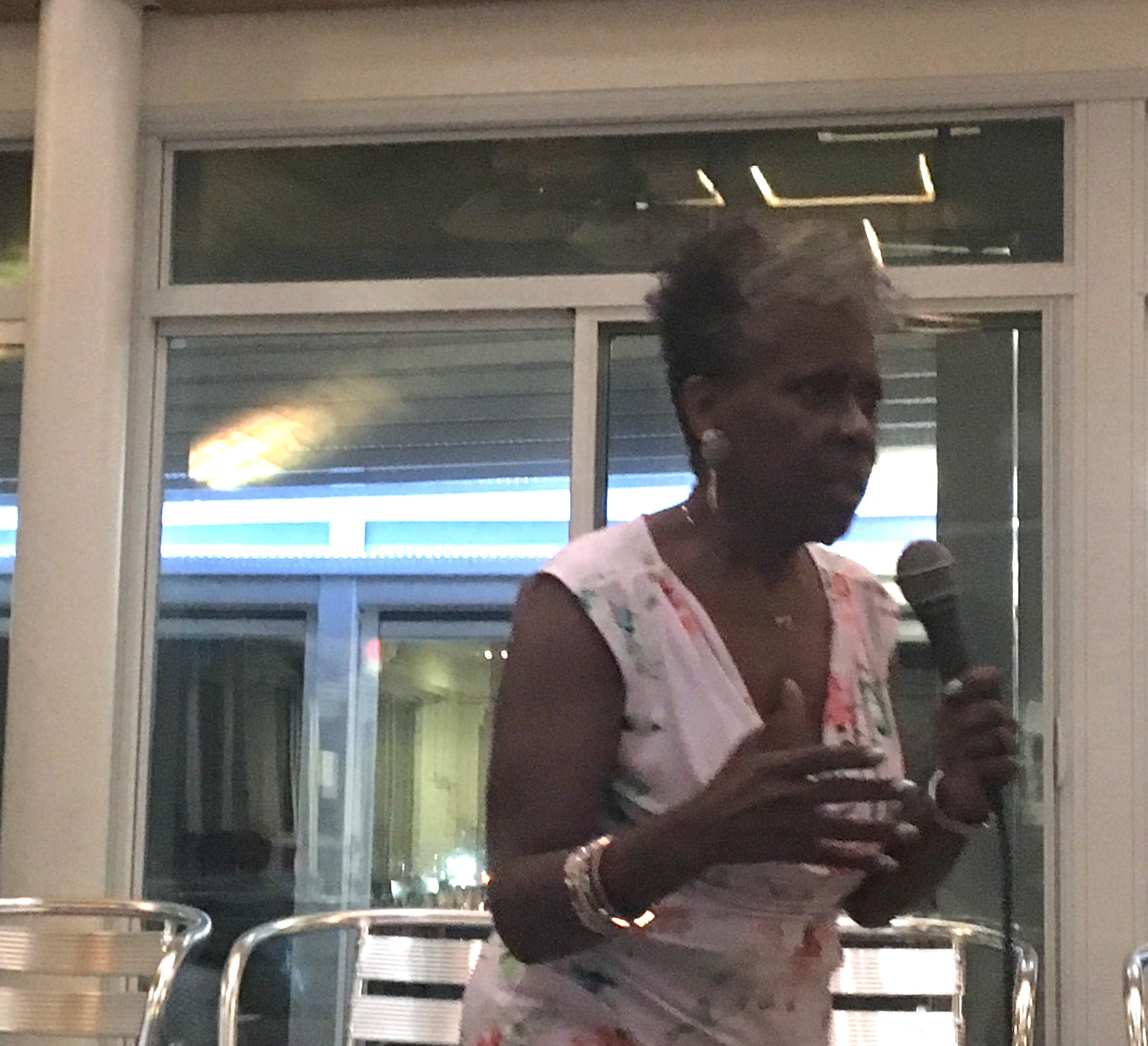
(Lisa Finn)
Comedian Hansome, who has worked throughout her life to bring diverse groups together through theater, said she was thrilled to take the stage and discuss the issues. "The conversation is needed," she said. "I would like to keep the tinderbox from exploding and the lid from boiling over into anything worse, with the miscommunication, distrust and anxiety that is running so high in this country."
Of the show, she said, "My hope is to have a positive ripple effect."
Giannaris agreed: "Rather than embracing people's differences in a way that is comical and loving, our nation has become a fearful one that is terrified to involve itself in matters of race. Comedy allows us to enter this uncomfortable realm with a little more freedom for conversation. In a setting that allows people to embrace one another's differences, there is greater potential for resolve."
America has become too rigid, too serious, Byrne said. "This attitude has made our country dangerous. We need to open up and explore our feelings. Comedy is a unique way to do this. 'United We Laugh' seeks to offer understanding and insight into another person's racial point of view, by shifting the focus toward funny."
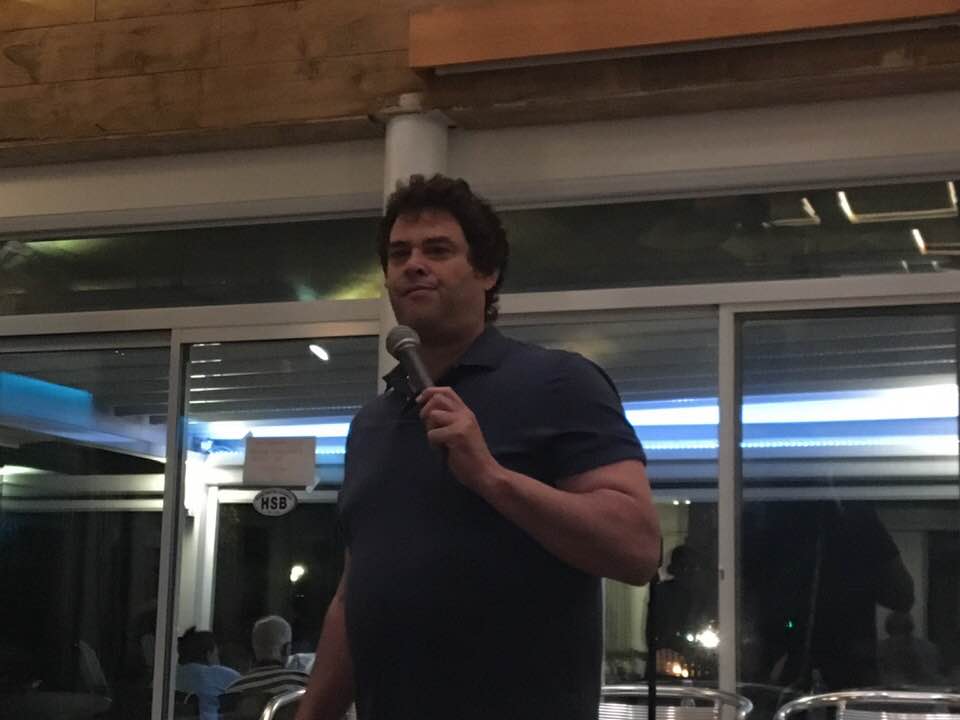
(Lisa Finn)
Get more local news delivered straight to your inbox. Sign up for free Patch newsletters and alerts.