Kids & Family
Fair Trade Chocolate Found At The Maryknoll Gift Shop
Do you know the origins of the chocolate that you purchase?

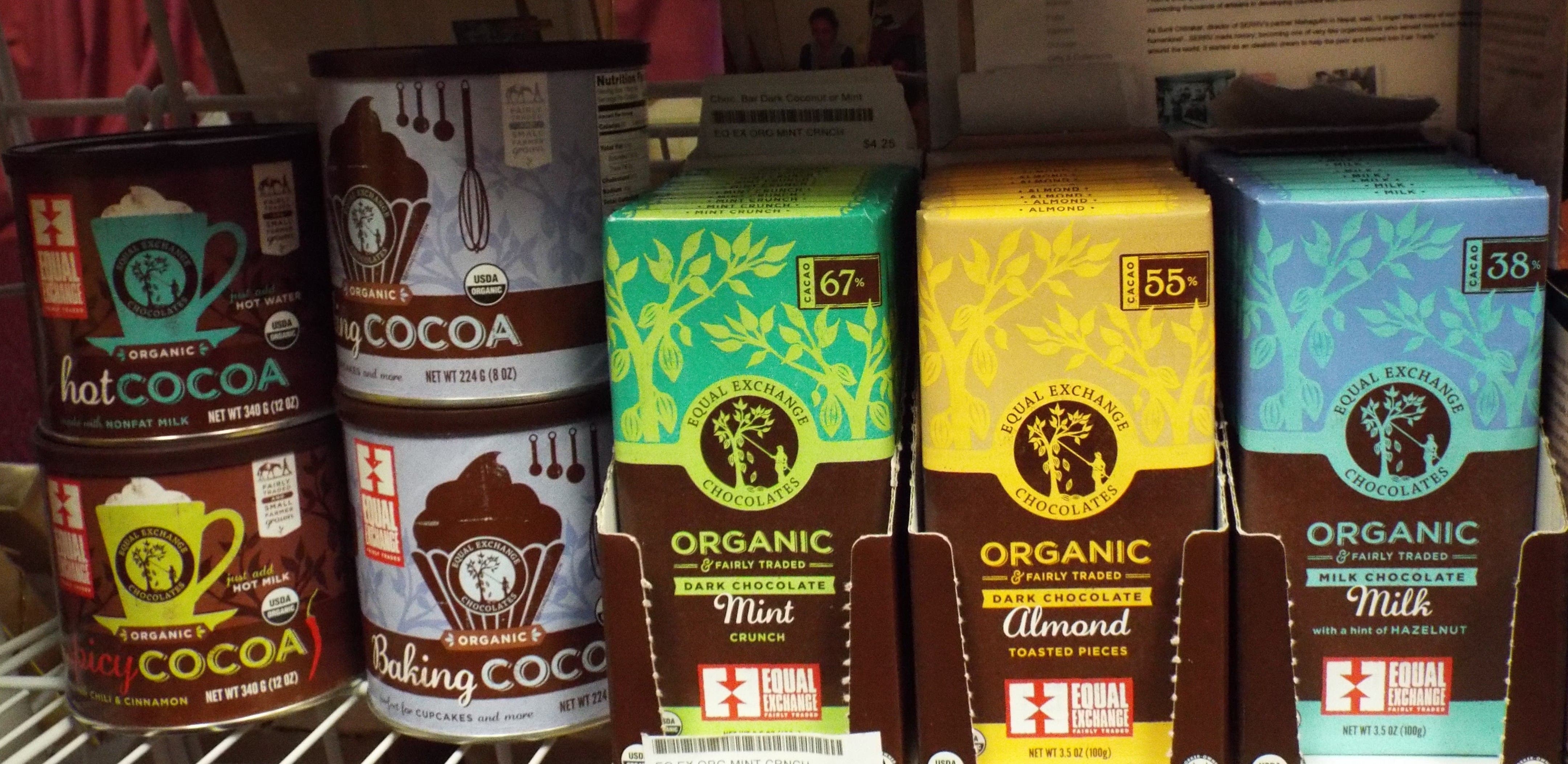
Besides the many unique and hand-crafted items on display from countries where the Maryknoll Fathers and Brothers serve in mission, the Maryknoll Gift Shop (55 Ryder Road in Ossining) also maintains a separate sweet section for its specially chosen selection of delicious chocolates. Here, just as in any store, chocolate can be a planned purchase or a personal impulse item.
Wherever chocolate is purchased, it often is at the top of the treat list for personal indulgence and to share with family and friends for Halloween, Thanksgiving, Christmas, Valentine’s Day, Easter and other celebrations. Chocolate is an $80+ billion worldwide business, according to research firm MarketsandMarkets.
For Americans, according to Nielsen research, more than 58 million pounds of chocolate candy are sold just during Valentine’s week. Transactions total more than $345 million during this one week, when sales are only slightly above five percent of chocolate candy purchases for the year. For Halloween, the report Chocolate Candy in the U.S., 10th Edition by market research firm Packaged Facts indicated that 2013 sales reached $217 million, an increase of 12 percent from 2012.
Find out what's happening in Ossining-Croton-On-Hudsonfor free with the latest updates from Patch.
West Africa Child Labor
Most chocolate originates in West Africa. This region produces 70 percent of the world’s cacao, the main ingredient in chocolate. The Ivory Coast produces 40 percent of West Africa’s total. Corporations purchase most of the West Africa cacao to make bars and other chocolate treats.
Find out what's happening in Ossining-Croton-On-Hudsonfor free with the latest updates from Patch.
Growing worldwide consumption of chocolate has increased the harvest of cacao. This has created demand for more labor and caused an increase in the illegal child labor that has plagued the chocolate industry for decades.
Cacao farmers in West Africa do not have direct access to the corporations that make the end products. Instead, middlemen squeeze the price, causing farmers to struggle to survive. Desperate not to lose business, farmers often turn to illegal child labor to toil long and hazardous days in the fields. Children are trafficked from Mali and Burkina Faso. They are sold to cacao farmers in the Ivory Coast. Besides the forced labor, the children do not have access to education, proper nutrition and health care. It is the cacao that is harvested by exploited children that often is included in mainstream chocolate.
The Maryknoll Gift Shop at the Maryknoll Mission Center will not sell chocolate harvested by illegal labor. The Maryknoll Fathers and Brothers serve the poor and underserved in 26 countries, and it obtains its chocolate through a different source that pays fair market value for cacao and forbids child labor.
Equal Exchange Supply Chain
Maryknoll uses the Equal Exchange supply chain for its chocolate. Equal Exchange develops relationships with small farmer co-operatives in Peru, Panama, Ecuador and the Dominican Republic. These farmers are visited often by Equal Exchange, which invests in the people, the communities and the small businesses supplying the ingredients for chocolate.
Equal Exchange does not use middlemen or brokers. Producer partners receive above-market prices for crops and Fair Trade benefits. Nonprofit and independent organizations monitor the labor practices of producers.
With every sweet treat of chocolate purchased at Maryknoll, Equal Exchange ensures that farmers and workers receive fair prices for their product and labor. At the same time, the partnership fosters sustainable agriculture.
Chocolate Treats At Maryknoll
So, for Halloween and other religious and secular occasions, or to just satisfy a sweet tooth, the Maryknoll Gift Shop has all-organic chocolate items for the shopping list with the guarantee that these treats are delivered by Equal Exchange. Items include:
• Mini dark chocolate bars: 27-cents each or four bars for $1.
• 3.5-ounce bars $4.25 (including coconut, raspberries, mint, very dark)
• 1.58-ounce snack bars $2.00 (dark with fruit/nut or milk chocolate with peanut butter)
• Hot cocoa/spicy hot cocoa mix 12-ounces and baking cocoa eight ounces: $8.50
Besides chocolate, the Maryknoll Gift Shop provides clothing and other items made by the people who live in the countries served by Maryknoll. The shop also has religious gifts, books for adults and children, and Christian greeting cards. The Pope Francis Collection includes cards, prints and bookmarks.
Regular shop hours are Monday-Saturday 10 a.m. – 3 p.m., and the shop also is open during special events.