Health & Fitness
NYISO Board Approves 2012 Comprehensive Reliability Plan
Last week, the NYISO Board approved the 2012 Comprehensive Reliability Plan. The report concluded that additional power resources are needed to meet current and growing energy demand.
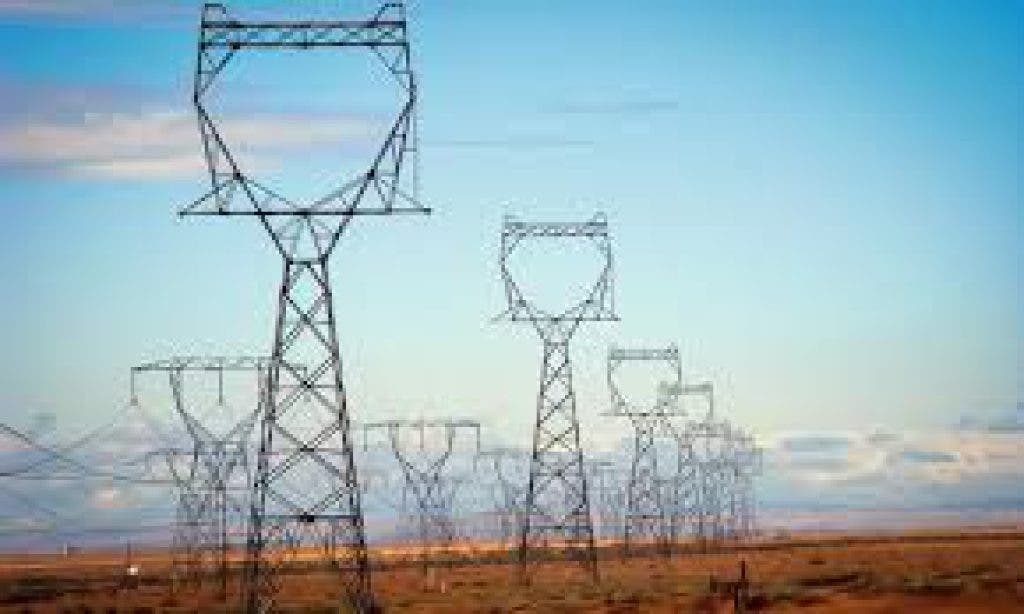
New York is in a critical period with regard to our energy future and the policy choices we make today will shape the way we address our needs in the years to come. The challenges to meeting our future energy demand manner that is a sustainable, environmentally conscious, and affordable have been clearly outlined and further underscored in recent months.
New Yorkers pay the fourth highest electricity rates in the nation, yet our energy infrastructure is more than three decades old and incapable of transporting power efficiently throughout the state. We are in dire need of investment in both electric transmission and generation infrastructure in order to produce the power supply we will require to meet the future increase in demand. At the same time, we have witnessed the retirement of nine power plants in the last year with several more scheduled to be mothballed in the near future. A few of these plants include:
Find out what's happening in Peekskill-Cortlandtfor free with the latest updates from Patch.
- Cayuga Coal Power Plant, 306 MW (Lansing)
- Danskammer Petroleum Plant, 537 MW (Town of Newburgh)
- Dunkirk Coal Power Plant, 634 MW (Dunkirk)
- Gowanus Gas Turbine Facility, 542 MW (Brooklyn)
Combined, these closures amount to a loss of more than 2,000 MW of generation. Coincidentally, that is the same amount generated by Westchester’s Indian Point Energy Center, which supplies 30 percent of New York City’s power. The plant closures not only deplete our energy supply, they also negatively impact grid reliability and drain the surrounding communities of both jobs and revenue. For reliability purposes, the communities neighboring the Dunkirk and Cayuga plants are subsidizing their continued operation in the amount of $30 million for each facility – a significant blow to the school district, municipality, and regional economy.
While the New York Public Service Commission has not taken aggressive action to address these retirements, the New York Independent System Operator (NYISO) has studied this matter (less Danskammer). Last week, the NYISO Board approved the 2012 Comprehensive Reliability Plan (CRP). The report concluded that additional power generation and transmission resources are needed to meet current and growing energy demand.
Find out what's happening in Peekskill-Cortlandtfor free with the latest updates from Patch.
The CRP went on to affirm the findings of NYISO’s 2012 Reliability Needs Assessment (RNA), which determined that market-based solutions are the preferred means to address issues resulting from lost generation. Market-based solutions proposed in the CRP include the repowering the Astoria power plant in Queens with a new 1,000 MW combined-cycle gas turbine; the repowering of the Dunkirk plan with a 440 MW combined-cycle gas turbine; and the establishment of 30 MW of demand response resources in New York City between 2014 and 2018.
Other recommendations outlined in the CRP:
- A net increase of 405 MW of generation resources to be added in New York City (Zone J) before 2021;
- Caution against over reliance on natural gas to meet electric and heating needs;
- Prepare for various risk factors, such as unforeseen plant retirements, that would place New York in immediate violation of federally-mandated requirements.
- Require other system planning activities, such as those encompassed in the New York Energy Highway Blueprint, be considered within NYISO reliability planning activities.
Read NYISO’s full 2012 Comprehensive Reliability Report