Neighbor News
Tick Season Is Here: Beware the ‘Aggressive Human Biting’ Tick
Jim McHale, President of JP McHale Pest Management Suggests Changes You Can Make at Home to Reduce Ticks

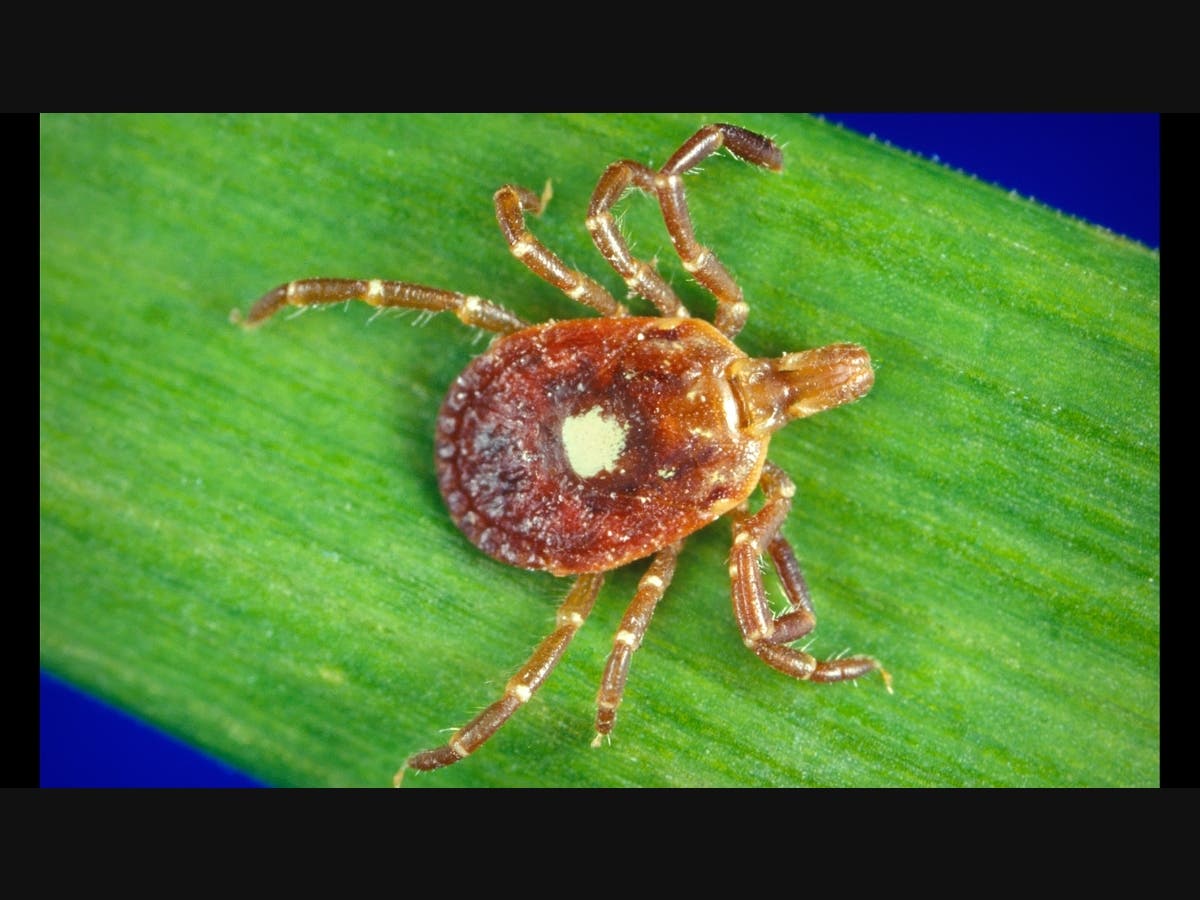
JULY 22, 2020 -- Tick Season is now in full swing and scientific reporting that climate change can be causing the emergence of a dangerous type of tick in the New York region, combined with recent news of a Connecticut resident taken to the emergency room after being bitten by “an aggressive human biting tick,” indicates that this year’s tick issue may be an even more serious one than in past years. The Lone Star Tick, also known as the amblyomma americanum tick, is rapidly expanding throughout this region, especially on Long Island and Connecticut.
This tick can be dangerous to humans. It is known to spread a host of diseases and is associated with various medical conditions, including tularemia, ehrlichiosis, rickettsiosis, Heartland virus disease, southern tick-associated rash illness, red meat allergy and Bourbon virus disease.
Newly-released findings reported in Popular Science shows that this type of tick, although more commonly found in southeastern parts of the U.S, now has an increased presence in New York due to climate change. Thomas Platts-Mills, an immunology researcher at the University of Virginia, explains, “The tick is moving in response to global warming, and they’ll soon take over eastern Pennsylvania, New Jersey completely, and then New York.”
Find out what's happening in Peekskill-Cortlandtfor free with the latest updates from Patch.
As reported in the Daily Voice, the Lone Star Tick, which “gets its name from the white dot on the female's back and is not named after Texas,” is “one of four types of ticks found in the New York region that can transmit disease to humans along with deer, dog and woodchuck ticks. The lone star tick is similar in size to the deer tick, at about one-eighth of an inch long.”
“Lone Star Ticks don’t cause Lyme Disease, but they do transmit a host of bacterial and viral pathogens,” says Jim McHale, president of JP McHale Pest Management. “The treatment and elimination of this type of tick is the same as our treatment of the more common types of ticks. We use the most environmentally sensitive methods to effectively reduce the tick population on your property and treat areas most conducive to tick activity. We recommend our Vector Intervention Program that will target Ticks, Mosquitoes and rodents in one service.”
Find out what's happening in Peekskill-Cortlandtfor free with the latest updates from Patch.
McHale explains that the most common ticks in our area can carry Lyme disease, which if not caught in early stages, can alter your brains functions, nerves, joints, and heart. Extreme cases can cause paraplegia. The tick feeds on the blood of warm-blooded animals, including dogs, cats, mice, deer, and, of course, people. A tick will latch onto the skin, dig in its feeding apparatus, and then bite. When the tick is full, it swells in size. Then it drops off the host, only to repeat the cycle again later. Lyme disease is caused by the bacterium Borrelia burgdorferi and is transmitted to humans by the bite of infected deer ticks.
“We provide all of our clients with important recommendations based on observations during our routine visits. Making changes in your yard, combined with our efforts will significantly reduce exposure to ticks for your family and pets,” says McHale.
Here are the Top 7 Changes You Can Make at Home to Reduce Ticks, according to Jim McHale:
1. Remove leaf litter
2. Reduce overgrown shrubbery
3. Cut the grass frequently
- Stack wood in a dry area away from your home
- Keep playground equipment, decks, and patios a far distance from yard edges and trees.
- Keep deer, raccoons, coyotes, etc. from entering your yard by putting up a fence.
- Don’t have any old furniture, mattresses, garbage, etc. on your lawn where ticks can hide
For more information about ticks or any other pest issue, visit, www.nopests.com, which includes consumer tips, an online pest identification center and the "no pests" blog; or call 855-231-5573.
About JP McHale Pest Management, Inc.
JP McHale Pest Management, Inc. specializes in eliminating pests through biological and environmentally sensitive methods, including organic solutions and advanced remote technology options for both residential and commercial properties. A partner of Anticimex, the almost 50-year-old family run business is still headed by James P. McHale, Jr., a Cornell entomologist, and is recognized among the top 40 Pest Control companies in PCT’s annual nationwide ranking.
About Anticimex
Anticimex is a global pest control company integrating new technology and sustainable solutions for over 82 years. Anticimex employs around 4,500 people, serving more than 3 million customers worldwide. For more information, visit www.anticimex.com