Health & Fitness
The Truth About Vintage and Table Wine
A wine vintage is the year when most of the grapes in the wine was harvested. Usually the vintage does not affect table wine flavor very much, and this article explains why.

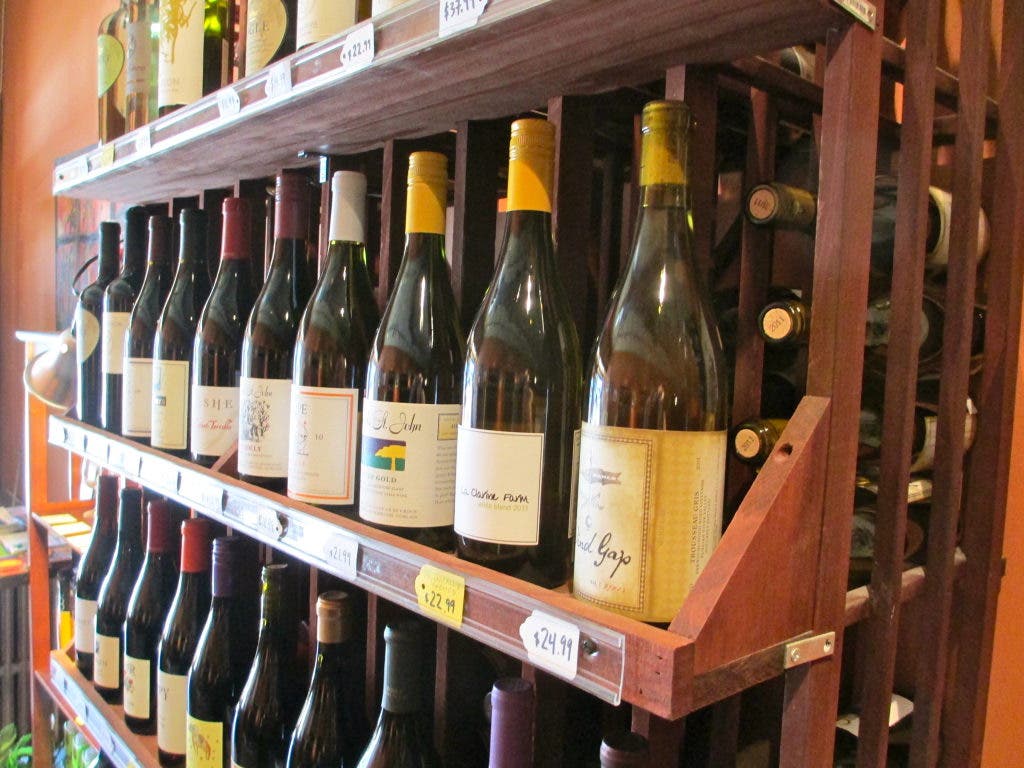
A vintage is the date that you usually see somewhere on the wine label, indicating the year that most or all of grapes in the wine were grown and harvested. Most countries allow a vintage wine to include a portion of wine that is not from the year denoted on the label. In Chile and South Africa, the requirement is 75% same-year content for vintage-dated wine. In Australia, New Zealand, and the member states of the European Union, the requirement is 85%. In the United States, the requirement is 85%, unless the wine is designated with an American Viticultural Area, (e.g., Napa Valley), in which case it is 95%. Technically, the 85% rule in the United States applies equally to imports, but there are obvious difficulties in enforcing the regulation.
Many wine buyers become preoccupied with vintage when they shop for wine. A little knowledge can be a dangerous thing, however. The truth is, the vintage of a wine does not always matter. Every year, wine producers sell wine that they are confident is good and will sell. Many times, those growing the grapes as well as vintners are able to compensate for variations in the grapes’ growing conditions. The conditions for growing grapes are compensated for with measures varying from irrigation to using helicopters to fight an early frost. In addition, most nations allow wine makers a certain degree of wine modification, such as adding sugar or acid, to compensate for the wines’ natural flavor each year.
The times when vintages matter the most are quite specific. Wines that require cooler growing conditions are most sensitive to annual climate conditions, because variations between a warm and cold growing season affect the sugar content of a wine. Most regions that grow grapes in cooler climates have been doing it for a long time, and know how to address changes in the climate. The New World wine regions are mostly in moderate to warm climates, and therefore have more easily addressed grape growing concerns, such as pruning the vineyards for fewer and better wine grapes.
Find out what's happening in Prospect Heights-Crown Heightsfor free with the latest updates from Patch.
Wine regions such as California, Burgundy, and Bordeaux may have some years better than others, but the people determining this are those who provide wine scores to both the vintage and the wine, and generally have little to do with the average wine drinker.
You may find that you like a certain wine more or less from year to year, and the inclination is to blame the “vintage” alone, without realizing that you are assuming the grape growing year changed the flavor of the wine. In truth, wine makers may decide to change the wine’s style from one year to the next, and make the wine a little differently than the year before. This decision could be based on the wine’s sales, international palette trends, or the vintner’s own palette.
Find out what's happening in Prospect Heights-Crown Heightsfor free with the latest updates from Patch.
At the end of the day, when buying your table wine, you need not worry about vintage. Instead, focus on buying something new, and get outside the box. The world is full of great wines, every year!


