Restaurants & Bars
Once Homeless Tenants Not Protected By Rent Stabilization: Report
A Brooklyn Supreme Court justice ruled cluster site residents can't claim protection under state rent stabilization laws, reports show.


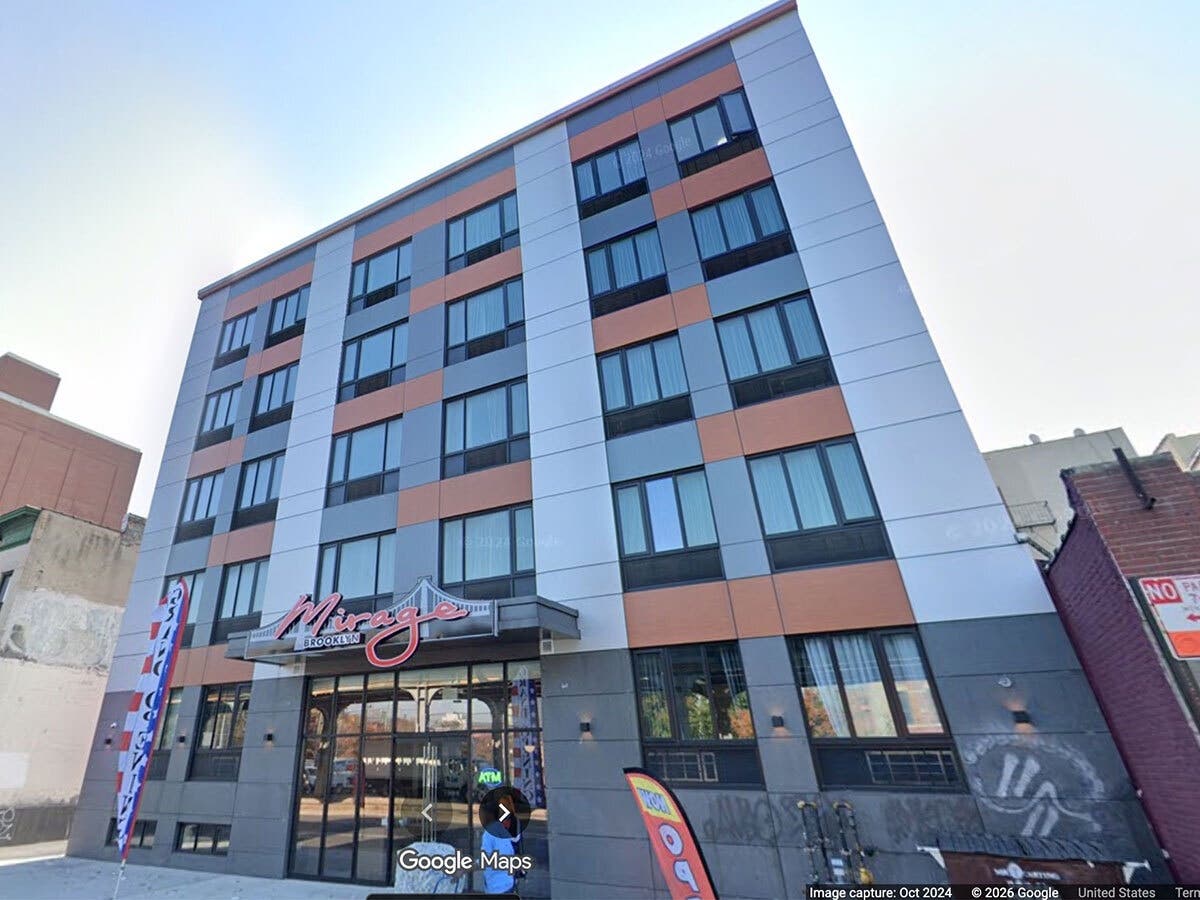
PROSPECT-LEFFERTS GARDENS, BROOKLYN -- A Brooklyn Supreme Court justice ruled formerly homeless residents of a Prospect-Lefferts Gardens building can be evicted because they are not protected by rent stabilization laws, according to reports.
Acting Brooklyn Supreme Court Justice Peter Sweeney ruled last week that residents of a cluster site at 60 Clarkson Ave. are not legal tenants under the state's rent stabilization laws and therefore cannot sue landlord Clark Wilson for trying to evict them in 2015, according to a New York Law Journal report.
The 60 families — participants in the Department of Homeless Services' cluster site program which pays nonprofits to provide transitional housing — alleged their landlords created an illegal sublet situation through the nonprofit We Always Care, according to the report.
Find out what's happening in Prospect Heights-Crown Heightsfor free with the latest updates from Patch.
Residents told Gothamist in 2015 that landlord Barry Hers recieved $3,000 a month per apartment, yet refused to address roach infestations, violent crimes, collapsing ceilings and wouldn't let them have birthday parties in the common areas.
But Wilson's attorney Nativ Winiarsky successfully argued that the cluster-site residents were not tenants, but licensees, and that landlords were entitled to evict them after the city stopped paying We Always Care to direct homeless people to the Crown Heights buildings, and the contract was not registered with the city comptroller.
Find out what's happening in Prospect Heights-Crown Heightsfor free with the latest updates from Patch.
The Legal Aid Society attorneys who represented the tenants told New York Law Journal they will appeal the decision on the grounds that the 60 Clarkson Ave. landlords also received rent from some residents who contributed 30 percent of their income and housing vouchers.
Read the full New York Law Journal report here.
Photo courtesy of GoogleMaps
Get more local news delivered straight to your inbox. Sign up for free Patch newsletters and alerts.