Politics & Government
DEC Update on Hastings Waterfront Cleanup
The Department of Conservation delineated technical difficulties involved in PCB recovery at the Hastings waterfront, and proposed possible solutions.
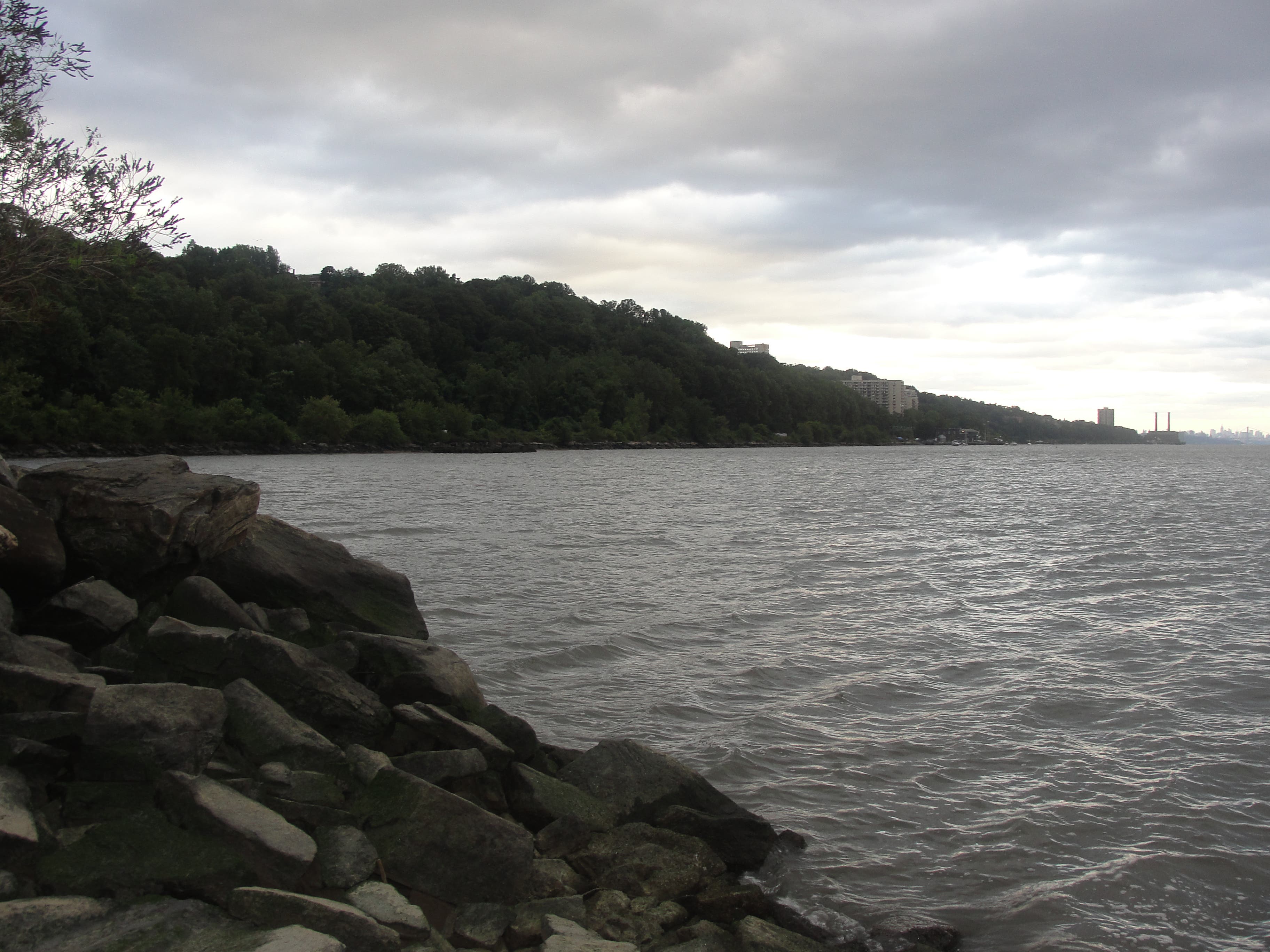
Cleaning up the PCBs on the Hastings waterfront will require a complex approach that may include dredging and shoreline stabilization work, according to government and business officials at a public meeting Wednesday night.
Representatives from the New York Department of Environmental Conservation and the Department of Health, Eric Larson of Atlantic Richfield Company (a subsidiary of BP/ARCO) and Peter Swiderski, mayor of Hastings-on-Hudson, held the meeting at the James Harmon Community Center to update Rivertown residents on the status of Hastings’ waterfront cleanup.
The site in question—28 acres situated on the northwest corner of the waterfront, now owned by ARCO—served as a wire manufacturing plant from the early twentieth century until after World War Two. Runoff from the plant contaminated groundwater, river sediments and soil with PCBs and certain heavy metals, including copper and lead.
Find out what's happening in Rivertownsfor free with the latest updates from Patch.
DEC project manager George Heitzman explained the technical challenges the department and ARCO officials face as they design a cleanup plan. The PCBs found at the waterfront are classified as either liquid (sticky, taffy-like and dark brown) semi-solid (string-like and viscous) or trace (wispy filaments) and each type necessitates different methods of removal.
The DEC has already installed five recovery wells and extracted more than 150 gallons of PCBs from the site.
Find out what's happening in Rivertownsfor free with the latest updates from Patch.
Though a complete plan for PCB removal will be forthcoming later this year, many of the possibilities discussed at the meeting last night will likely be included in the cleanup.
Concerned engineers are evaluating the composition of the original bulkhead and stability of the natural shoreline.
The DEC emphasized the need for a holistic, integrated cleanup approach, one that will maintain a sloped shoreline and reduce PCB flow into the river.
Some dredging is possible, as is original bulkhead alignment.
Dredging risks driving PCBs deeper into the riverbed (called PCB drag down, or downward flow) and into the currently uncontaminated basal sands under the harbor.
The DEC is also considering building an extension onto the northwest section of the waterfront and capping it in order to contain contamination. Previous plans to use steel sheeting as containment have been abandoned due to the risk of PCB drag down.
At the end of the meeting, the DEC fielded questions from residents and outlined the next steps in the project: a complete review of the revised feasibility study, and developing a remedial action plan for public comment and review. An integrated remedial design will be revealed later this summer, likely by late August.
Swiderski closed the meeting by referencing Andrew Cuomo’s gubernatorial campaign ads, which featured the Hastings waterfront, among other sites, under the heading “rundown New York.” “We’re working to change that,” said Swiderski. “We are hopeful about the waterfront’s future use.”