Community Corner
Long Island's Own Witchcraft Trial, 1657
A speaker recently delivered a presentation at the library that discussed Long Island's witch trial of Goody Garlick and the phenomenon of witchcraft.
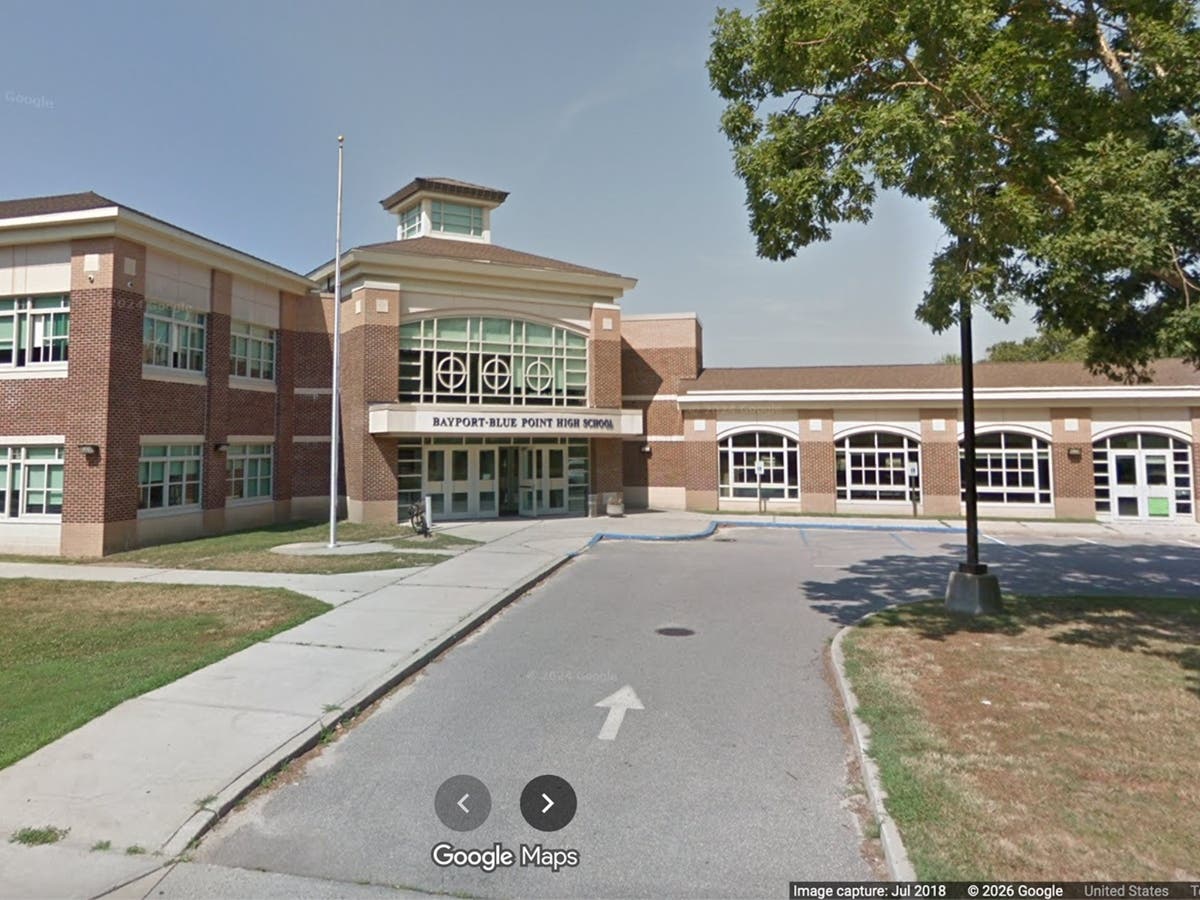
Stony Brook University Professor Tara Rider recently delivered a presentation at the Bayport-Blue Point Public Library on the witch trials that started in Europe and then began in the British American colonies in the 17th century.
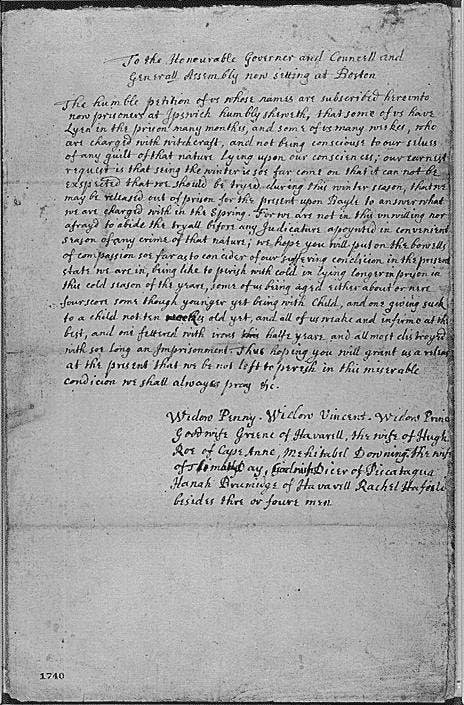
Although the most famous case of American witchcraft occurred in 1692 in Salem, Massachusetts, Long Island had a witch trial of its own in 1657.
Thirty-five years before the infamous Salem witch trials, East Hampton resident Goody Garlick was accused of witchcraft. Garlick was a local example of someone who fell victim to the witch hysteria, a phenomenon that hit sectarian strife-filled areas around the world throughout many years.
Find out what's happening in Sayville-Bayportfor free with the latest updates from Patch.
Like Garlick, the vast majority of people accused of being a witch were women, which the speaker connected to two reasons. The first is religious; according to the Old Testament, Eve was the one that lost paradise for humankind, making women the gateway to the devil. The second came from mens' alienation from the childbirth experience. Unlike Garlick, widowed women, who were in need of neighborly help without offering anything in return, and therefore were a societal inconvenience, were often accused. Also, any deviance from the communal structure of these religious towns was seen as heresy and usually associated with witchery.
As the speaker suggested, there is little evidence that a majority of those accused of witchcraft actually participated in devilish ceremonies. This was also true of Garlick, who was accused by Elizabeth Howell of appearing dressed in black in Elizabeth's room shortly after she had given birth.
Find out what's happening in Sayville-Bayportfor free with the latest updates from Patch.
At this time, 1657, Suffolk County Long Island was a member of the Connecticut colony, which is where Goody Garlick was sent for her three-week-long trial. Thirteen depositions were filed in which members of the East Hampton community relayed rumors they had heard from their fellow town member, Goody Davis.
These stories included one where the milk received from Garlick made a child sick. Another described an ox that mysteriously broke its leg after Garlick looked its way. Despite most of the depositions being based on Davis' allegations, Davis never filed a sworn statement of her own.
In today's court system one can be found either guilty or not guilty. However, in colonial America, one could be declared guilty, innocent or not guilty. Garlick received a verdict of not guilty, which meant she was not found innocent, but the evidence provided did not prove her guilty of witchcraft either.
Upon being released, Garlick settled back in East Hampton as one of the 33 families that resided there. Her husband pressed defamation charges against Davis who, two weeks later, died. Garlick and her husband lived to the grand ages of 92 and 94.