Politics & Government
Governor Announces New Ammunition In War On Opioids
"This administration will not rest until the opioid epidemic is a thing of the past." — Gov. Andrew Cuomo.


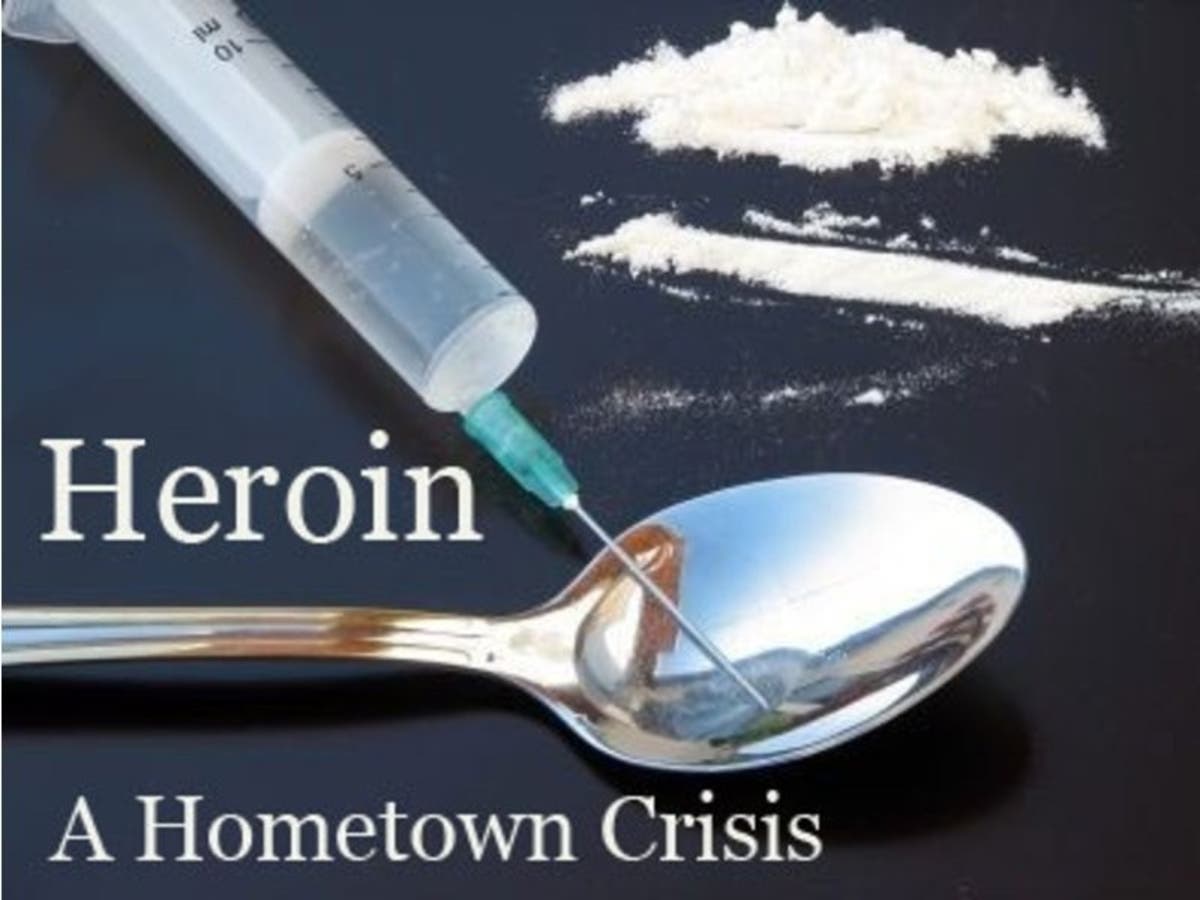
The war to fight the insidious opioid crisis continues to heat up statewide.
New York Gov. Andrew Cuomo this week announced new efforts to combat the opioid epidemic.
Those new directives include advancing partnerships in New York's Prescription Monitoring Program across the country, training investigators with the New York State Department of Health's Bureau of Narcotic Enforcement to carry and administer naloxone, and allowing hospitals to provide detoxification services without a separate certification from the New York State Office of Alcoholism and Substance Abuse Services, he said.
Find out what's happening in Southamptonfor free with the latest updates from Patch.
"Tragically, opioid addiction continues to take the lives of New Yorkers every single day, but this administration will not rest until the opioid epidemic is a thing of the past," Cuomo said. "By removing unnecessary roadblocks to proper care and providing more resources and training with these additional measures, New York will continue to lead the nation in implementing innovative and effective solutions to save lives, prevent overdoses, and provide the treatment those suffering from addition so desperately need."
New York's PMP is now interoperable with 25 states and Washington, D.C., meaning that the program is able to securely share data with and receives data from the other states' PMPs regarding patients' prescriptions.
Find out what's happening in Southamptonfor free with the latest updates from Patch.
In addition, the connection to half the states in the country now provides practitioners access to nearly 150 million patients' controlled substance history records, allowing for a broader look at the controlled substance history of patients — especially critical in the tri-state area and across state borders.
To that end, providers can now more easily detect and prevent "doctor shopping", a critical tool in combatting the opioid epidemic, Cuomo said in a release.
Since Governor Cuomo's I-STOP legislation began requiring practitioners to check the PMP before prescribing controlled substances, New York has reduced its number of "doctor shopping" incidents by over 98%, the governor said.
In other news, investigators with the Department of Health's Bureau of Narcotic Enforcement will be trained by the Department's AIDS Institute to carry and administer naloxone, which can reverse an opioid overdose, Cuomo said.
And, third, OASAS and the Department of Health now have the ability to provide hospitals with a time-limited waiver that expands the detox services they are permitted to provide.
Normally, Cuomo's release said, a hospital can not provide detox services above the threshold of five beds, or greater than 10% of overall patient days. The new waiver will permit the admission and treatment of qualifying patients above the regulatory limits for detoxification without the need for an OASAS detox operating certificate, as long as the hospital notifies both OASAS and DOH of its intent to provide such services, Cuomo said.
The waiver will be valid until Dec. 31, when OASAS and DOH will re-evaluate the need for a continuing waiver.
In addition to the regulatory waiver relief, hospitals are asked to remember that emergency room physicians may also take advantage of federal flexibility to treat addiction using medication-assisted treatment. Federal law and rules allow a physician to administer methadone or buprenorphine, once a day, for up to a 72-hour period, in the case of an emergency, while a connection to addiction treatment is made.
In addition, individual physicians who have obtained authorization from the federal government to administer buprenorphine to patients with an opioid use disorder may do so without obtaining an OASAS operating certificate.
Sobering statistics
The crisis is escalating: According to the Centers for Disease Control and Prevention, there were more deaths from drug overdoses in the United States in 2014 than during any previous year on record. "From 2000 to 2014 nearly half a million persons in the United States have died from drug overdoses. In 2014, there were approximately one and a half times more drug overdose deaths in the United States than deaths from motor vehicle crashes," the CDC reported.
Prescription drug abuse, according to the CDC accounts for one death every 19 minutes in the United States.
In addition, the CDC said, opioids, especially prescription pain relievers and heroin, are the main drugs associated with overdose deaths. In 2014, opioids were involved in 28,647 deaths, or 61 percent of all drug overdose deaths; the rate of opioid overdoses has tripled since 2000, the CDC noted.
Two trends are pointed out by the CDC: A 15-year increase in overdose deaths involving prescription opioid pain relievers and a recent surge in illicit opioid overdose deaths, driven largely by heroin.
Natural and semisynthetic opioids, which include the most commonly prescribed opioid pain relievers, oxycodone and hydrocodone, continue to be involved in more overdose deaths than any other opioid type, the CDC said. In addition, "drug overdose deaths involving heroin continued to climb sharply, with heroin overdoses more than tripling in four years."
And the disease has hit close to home: Suffolk County was named the leader in New York State in heroin overdoses in 2016.
Between 2009 and 2013, 337 heroin-related deaths were reported in Suffolk County, the "New York State Opioid Poisoning, Overdose and Prevention," report prepared for Cuomo and the New York State Legislature revealed.
According to the report, opioid-related emergency department visits increased 73 percent from 2010 to 2014. The number of heroin-related deaths increased in 2013 to 637, and opioid analgesics related deaths rose to 952, increases of 163 percent and 30 percent from 2009, respectively, the report states.
In 2013, an average of two New Yorkers a day died of heroin-related overdoses, the report said. More than four times as many men died of one of these overdoses compared to women; whites died of heroin-related overdoses at a rate of nearly twice that of blacks, and almost 1.35 times that of Hispanics.
"The upward trend in heroin-related overdose fatalities among younger New Yorkers is particularly alarming," the report states. "Half the people who died were under age 35."
Jeffrey Reynolds, president and chief executive officer of the Family and Children's Association in Mineola, said the crisis shows no signs of abating.
New synthetics such as carfentanil, may not have reached Long Island yet, but the drug, so strong it's used as elephant tranquilizer, is creeping insidiously across the country, claiming lives.
"Carfentanil has not yet appeared here; we'll know when it arrives because we will immediately see more fatalities. I say 'yet' because 15 years ago we warned about the burgeoning prescription pill crisis and it happened. Ten years ago we warned of the impending heroin crisis and it happened. Four years ago, we warned about the emergence of fentanyl after it appeared in several other regions; low and behold, that drug is now killing more Long Islanders than heroin," Reynolds said.
"Drugs travel very rapidly across the United States and change hands hundreds of times before they get to the end user. It seems like we are just chasing the drug du jour and not getting to the roots of substance use or taking enough steps to make treatment available. We are still swatting at the symptoms. We need good prevention that addresses mental health issues earlier on, that gives kids straight facts and that educates their parents."
The need for change is desperate, Reynolds said.
To this day, Reynolds said, "There are barriers to treatment including insurance company discrimination and a lack of treatment options. There aren't nearly enough supports for people in early recovery, but then we blame them for a relapse rate that approaches 75 percent. We are watching the problem worsen and the death toll climb, but we haven't taken the bold or sustained action necessary to turn the tide."
Patch file photo.
Get more local news delivered straight to your inbox. Sign up for free Patch newsletters and alerts.