Health & Fitness
Diet Can Decrease the Risk of Kidney Stones
What you eat impacts your likelihood of kidney stones.

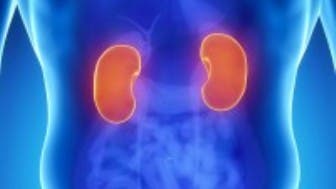
Kidney stones form when there are high levels of certain chemicals in the urine. It’s normal for these substances--calcium, oxalate, urate, cystine, xanthine, and phosphate--to be present in urine. At the proper levels, they don’t cause problems. But when there is too little liquid to dilute these substances, crystals begin to form, says the National Kidney Foundation. The crystals attract other elements and join together to form a solid—in other words, a kidney stone.
Certain foods may promote formation of kidney stones in those who are susceptible, according to the National Institute of Diabetes and Digestive and Kidney Diseases. Kidney stones can happen to anyone, but the risk is higher for some. Men are affected more often than women, and kidney stones are more common in non-Hispanic white people than in non-Hispanic black people and Mexican Americans. Overweight and obese people are more likely to get a kidney stone than people of normal weight.
While individual treatment varies, eating guidelines can help reduce the risk of developing kidney stones for those who are susceptible. View the slide show below for diet tips to decrease the risk of kidney stones.
Find out what's happening in Syossetfor free with the latest updates from Patch.
To see a slideshow about this, click here: http://bit.ly/1BurRaq
This post was written by David Mayer Hoenig, MD, urologist at the North Shore-LIJ Health System.
Find out what's happening in Syossetfor free with the latest updates from Patch.
For more North Shore-LIJ Health Blog posts, go to http://blog.northshorelij.com/
Contents of the health blog are the property of North Shore-LIJ Health System and are provided as a health resource for consumers, health care professionals and members of the media. The medical content on the North Shore-LIJ Health Blog is for informational purposes only and should not be considered a substitute for consultation with your physician regarding diagnosis, treatment or any other form of specific medical advice. These materials may be reprinted for noncommercial personal use only. “North Shore-LIJ Health System,” “North Shore-LIJ,” “northshorelij.com,” “VivoHealth,” their related entities and logos are trademarks of the North Shore-LIJ Health System. Copyright © 2011 North Shore-LIJ Health System. All rights reserved.