Neighbor News
When A Loved One Comes Out
How you handle your loved one coming out is directly linked to their future well-being. Take a proactive approach and listen and learn.

The mission of the Alliance for Safe Kids is to promote awareness and prevention of substance use/ abuse and other destructive behaviors damaging to our youth. ASK is a collaboration within the community aimed at providing youth with the information and skills needed to make healthy decisions while emphasizing the need for families to protect and nurture their children by getting informed and staying involved. By partnering with all areas of the community, we collectively strengthen the safety net that protects our youth.Coming out is defined as the process of personally accepting your sexuality and telling others. This experience is different for everyone – some people experience anxiety and pain while others find acceptance easier and liberating.
One of the many fears individuals face when coming out is that their loved ones will reject them and/or stop loving them. Some people have a difficult time accepting that their child or friend is gay, while others are extremely supportive.
As a parent, how you handle your child coming out to you is directly linked to their future well-being. They need your support during this difficult time. Your support can help them build confidence and make healthy decisions. Take a proactive approach and listen, and learn, about their sexuality and identity.
Statistics
Find out what's happening in Yorktown-Somersfor free with the latest updates from Patch.
- At least 10 million Americans (roughly 4% of the population) identify at LGBT (Williams Institute, 2011)
- 5% of adults self-identify as Lesbian-Gay-Bisexual
- 3% of adults self-identify as Transgender
- Percentage rises as age declines, with over 7% of Millennials (born 1980-1998) identifying as LGBT (Public Religion Research Institute, 2015)
Sexual Orientation
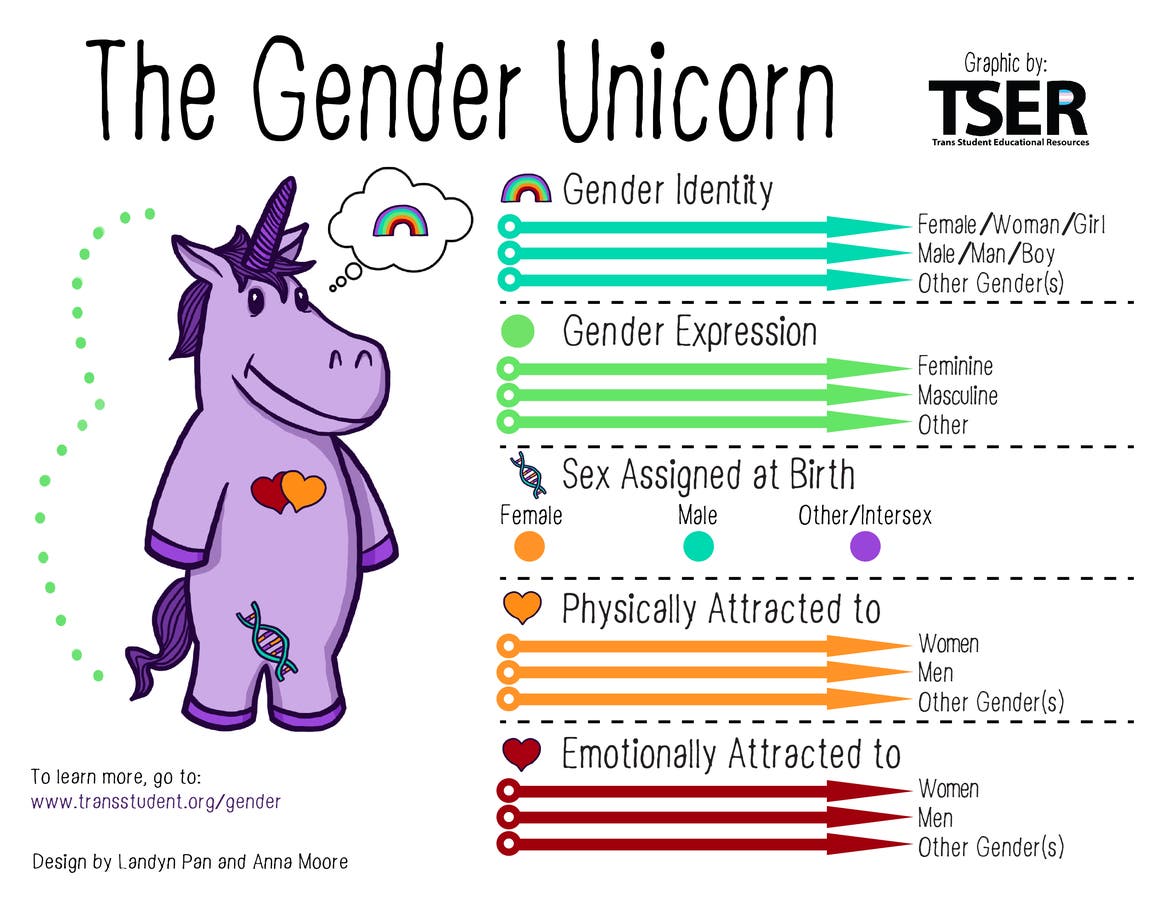
Sexual orientation refers to whom we are attracted to emotionally, physically and spiritually. There are many different identities that people may use including the following:
- Lesbian – woman attracted to women
- Gay – man attracted to men
- Bisexual – attraction to both men and women
- Queer – a more flexible term which may include people attracted to people of multiple genders, affirmed as an activist position, etc.
- Questioning – someone who is exploring their attraction
- No labels – for example: sapiosexual, pansexual. homoflexible, heteroflexible, and many more!
Gender Identity
Someone who’s gender identity aligns with their sex assigned at birth is referred to as cisgender (i.e. cis-man, cis-woman).
Transgender is someone who’s gender identity does NOT align with their sex assigned at birth.
How do you self-identify your gender?
Find out what's happening in Yorktown-Somersfor free with the latest updates from Patch.
- Man
- Woman
- Cisgender Woman/Cisgender Man
- Trans-man/Man of transgender experience
- Trans-woman/Woman of transgender experience
- Gender fluid, Gender expansive, Gender exploring, Gender Unicorn!
Ways Parents Can Influence the Health of Their LGBT Youth
Family support matters. While all feelings are valid, how we respond to these feels have a real impact on the mental health of your child.
Youth LGBT Statistics
- Over 30% of LGBT youth missed school in the past month because they felt unsafe
- Up to 40% of LGBT youth make up the homeless youth population
- LGB youth are 4x more likely to attempt suicide than non-LGB
If parents highly reject their child after coming out, the outcomes (compared to non-LGBT children) are staggering:
- 8 times more likely to attempt suicide
- 6 times more likely to report high-level depression
- 3 times more likely to use illegal drugs
- 3 times more likely to have risky sex (Ryan, Family Acceptance Project, 2009)
According to the Centers for Disease Control, there are a few research-based steps parents can take to support the health and well-being of their LGBT teen:
Talk and listen. Parents who talk with and listen to their teen in a way that invites an open discussion about sexual orientation can help their teen feel loved and supported. Parents should have honest conversations with their teens about sex, and about how to avoid risky behavior and unsafe or high-risk situations.
Provide support. Parents who take time to come to terms with how they feel about their teen’s sexual orientation will be more able to respond calmly and use respectful language. Parents should develop common goals with their teen, including being healthy and doing well in school.
Stay involved. Parents who make an effort to know their teen’s friends and know what their teen is doing can help their teen stay safe and feel cared about.
Be proactive. Parents can access many organizations and online information resources to learn more about how they can support their LGB teen, other family members, and their teen’s friends.
The mission of the Alliance for Safe Kids is to promote awareness and prevention of substance use/ abuse and other destructive behaviors damaging to our youth. ASK is a collaboration within the community aimed at providing youth with the information and skills needed to make healthy decisions while emphasizing the need for families to protect and nurture their children by getting informed and staying involved. By partnering with all areas of the community, we collectively strengthen the safety net that protects our youth. Learn more at www.allianceforsafekids.org.