Politics & Government
2011 Budget Deficiency Ordinance Recommended for Lower Merion
Six of the township's funds require supplemental appropriation from the 2011 unappropriated fund balance based upon the estimated versus actual amount contained within the budget.
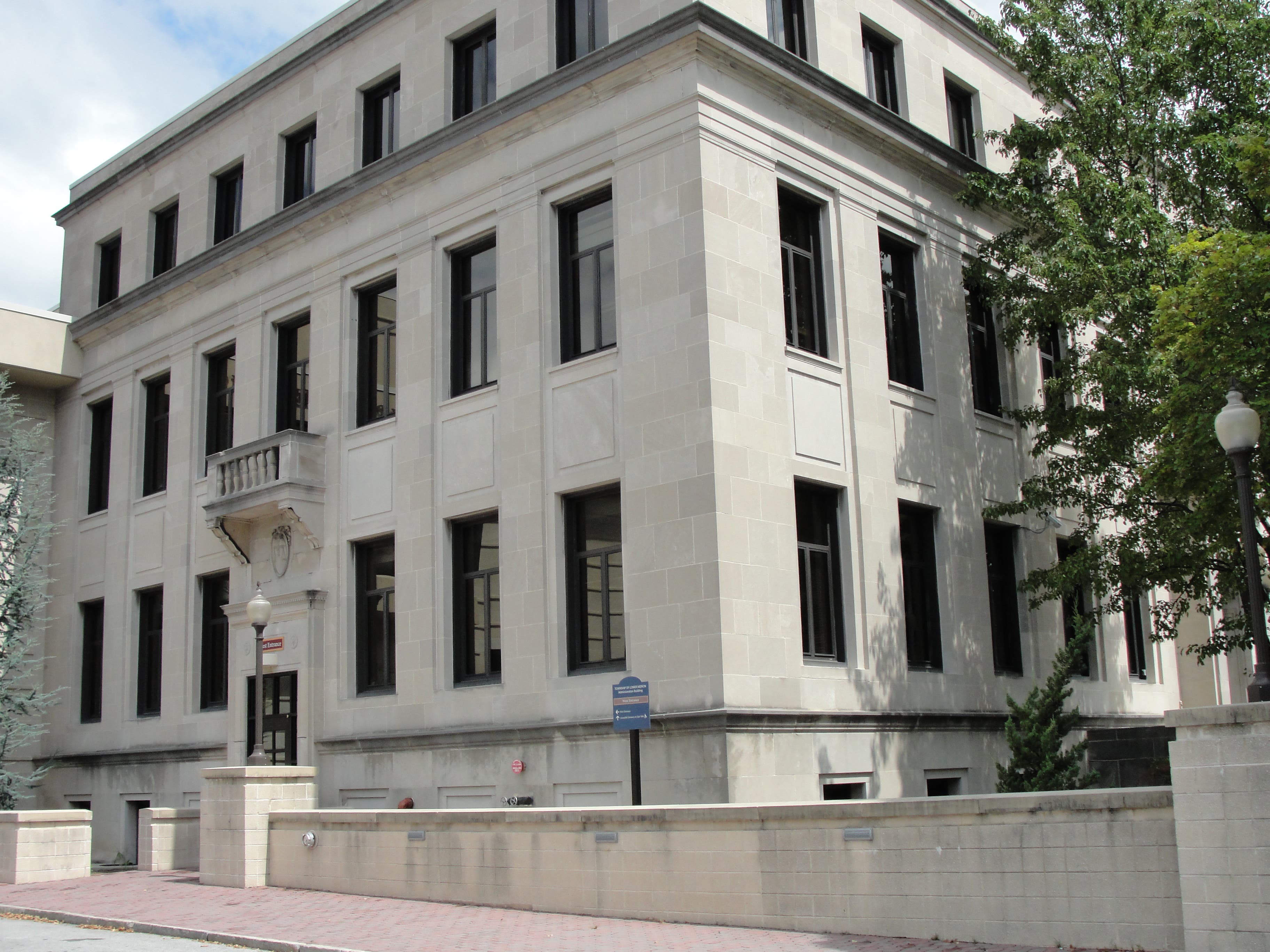
The Lower Merion Board of Commissioners Finance Committee voted 9-1 on Wednesday night to recommend that the full board approve a 2011 deficiency ordinance that would allow for adjustments between budgeted and actual expenditures for the township’s 2011 fiscal budget.
Commissioner Brian Gordon voted against the ordinance.
The township’s funds for special revenue, equipment, highway aid, sinking, sanitary sewer and capital projects all require supplemental appropriation from the 2011 unappropriated fund balance based upon the estimated versus actual amount contained within the budget.
Find out what's happening in Bryn Mawr-Gladwynefor free with the latest updates from Patch.
With all of the fund deficiencies, the additional expenses are offset by revenues, Dortone said.
In a memorandum about the deficiency ordinance, Dortone stated that the deficiencies stem from:
Find out what's happening in Bryn Mawr-Gladwynefor free with the latest updates from Patch.
- The special revenue fund, where the total 2011 estimated/actual expenses are about $190,000 higher than the 2011 appropriation primarily because of higher than anticipated expenditures relating to the State Pension Contribution and the State Fire Relief Association Contribution.
- The Highway Aid Fund where total 2011 estimated/actual expenses are $27,000 higher than the 2011 appropriation because of higher than expected State Liquid Fuel Tax funds.
- The Sinking Fund, where total 2011 estimated/actual expenses are about $70,000 higher than the 2011 appropriation due to higher debt service. The higher debt service is a result of reclassifying the Build America Bonds interest subsidy to revenue as compared to offsetting it against expense in the 2011 Budget.
- The Sanitary Sewer Fund, where total 2011 estimated/actual expenses are about $180,000 higher than the 2011 appropriation, primarily because of higher expenditures for debt service and higher projected depreciation of capital assets as compared to the 2011 Budget.
- The Capital Projects Fund, where total 2011 estimated/actual expenses are approximately $570,000 higher than the 2011 appropriation, primarily because of the township’s Series A and B unanticipated refinancing of bond issues, which are shown as revenue and expense in the 2011 estimated actual.