Schools
Budget Moves: Seneca Valley Cuts Positions, Reduces Staff Hours
The district is facing a $4.8 million budget deficit for next year.


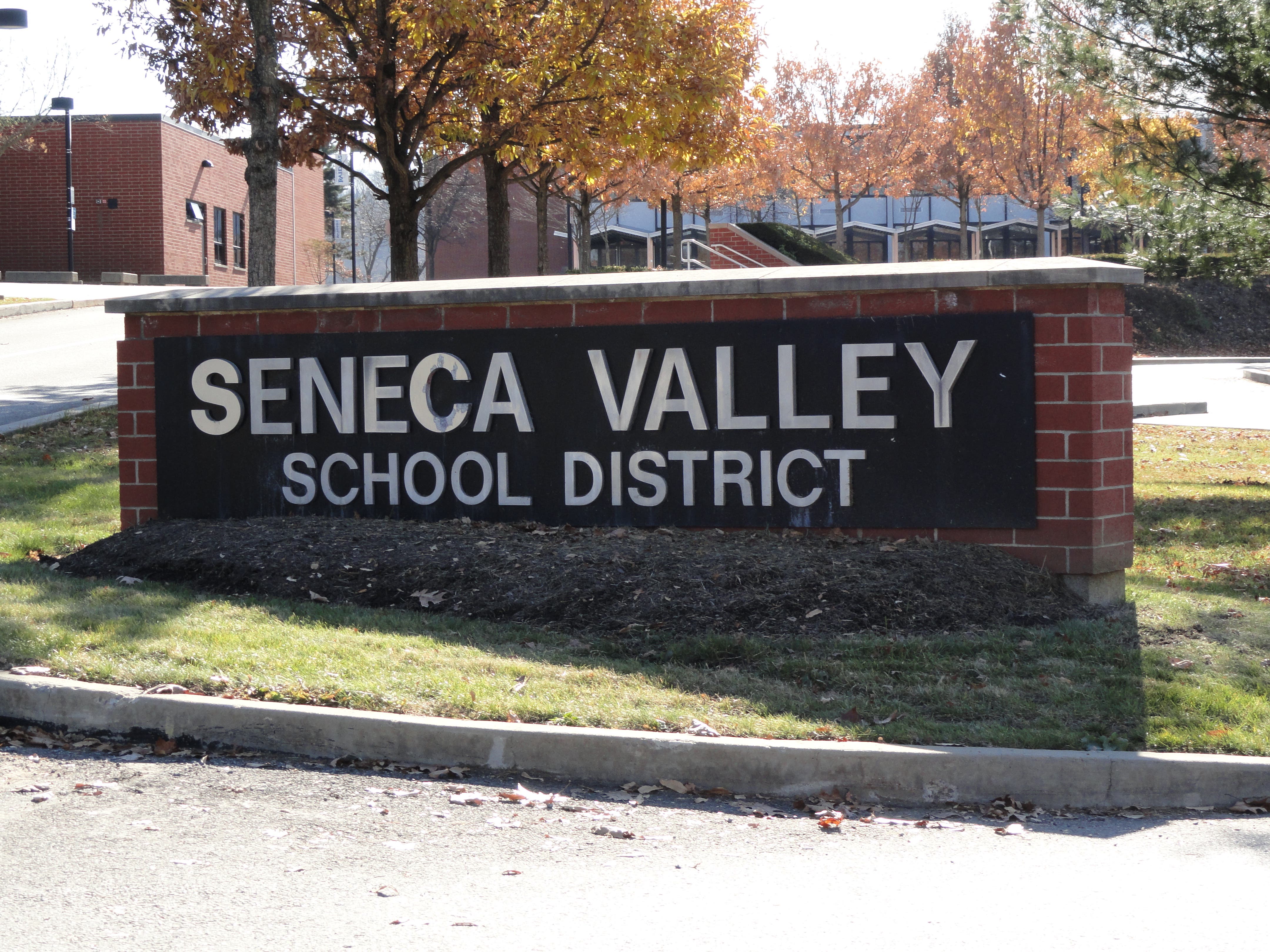
In an effort to bridge the Seneca Valley school board members on Monday unanimously—albeit reluctantly—approved cutting teaching positions in art education, mathematics, English and more.
“This stinks that we have to vote on these resolutions,” said school board member Eric DiTullio, who also called on the public to reach out to legislators in an effort to help local districts find better ways at the state level to fight increasing school costs.
“I don’t like seeing this and I want to see it fixed, but it needs to come from Harrisburg,” he said.
Find out what's happening in Cranberryfor free with the latest updates from Patch.
Altogether, 14 positions will be affected. Of those, 11 are teaching positions. They include three retiring educators from the English and biology departments whose positions will not be replaced.
The three eliminated non-teacher positions are the assistant director of buildings and grounds, a paraprofessional for the secondary gifted program and the attendance officer, who monitors student absences, tardiness and truancy.
Find out what's happening in Cranberryfor free with the latest updates from Patch.
In addition, board members reduced the district parprofessional staff's workday from 7.5 to six hours. A secretarial position at the high school also was restructured Monday.
Affected Postitons
The affected teaching positions—all at the secondary level—are in art education, mathematics, social studies, biology, Spanish, health and physical education.
According to Superintendent Dr. Tracy Vitale, these programs had declining pupil enrollment over more than a decade. The state, which allows districts to furlough staff for programs that have decreased in popularity, also must approve the curtailment.
School board member Jason Wehrle said he hopes the public—especially those encouraging officials to cut deeper into school progams—realize how difficult it is to make these personnel decisions.
“Whenever we talk about one of these cuts, we’re talking about a person losing their job,” he said. “We’re talking about a family losing a breadwinner. We’re talking about bills not being able to be paid. We’re talking about throwing an entire family into a tailspin.”
As for the cost savings of Monday night’s moves, that amount cannot be calculated until the “bumping” process is complete, said Lynn Burtner, the district’s business manager. Bumping is a seniority-based layoff system where a teacher with more tenure can bump a junior educator from the classroom.
In an effort to cut down on building costs, school board members also approved a memoranda of understanding with the custodial and secretarial staff that adjusts their schedule to a four-day workweek in the summer months. Vitale said the staff would work all their hours Monday through Thursday instead of Monday through Friday. The district’s buildings would shut down on Fridays until shortly before school resumes for the 2012-13 school year.
Officials also reduced the district’s eligibility requirement for an early retirement incentive from 30 to 25 years of teaching in public schools, including 15 years that must be spent at Seneca Valley.
With more than 30 teachers who accepted an early retirement incentive last year, Vitale said only seven or eight teachers would qualify this year for early retirement. She was unsure if any educator would take the incentive because the state—which requires 35 years of teaching in public schools—would assess a penalty for any teacher who opts out early.
She added the move is just one of many cost-saving efforts the district is exploring to balance the 2012-13 budget.
“The board is willing to try everything possible to look for additional savings,” she said.
Vitale said reducing the teaching positions would lead to increased class sizes for students.
“So we will reduce the amount of sections and less teachers will teach more kids in each section,” she said. “As an educator, I hate to recommend that.”
More cuts—and a potential tax increase—are likely in the district’s future before the budget is balanced.
Talking Options
At the April 2 workshop meeting,
Other options to balance the budget are exploring potential new revenue sources, reducing building costs, cuts to personnel and increasing student activity and parking fees. A full look at the options Seneca Valley officials are exploring is available on the district website by clicking here.
The state also has approved allowing Seneca Valley to raise property taxes beyond the allowed 2-percent index calculated for it. For Seneca Valley taxpayers, that index equals 2.11 mill.
Each mill of tax yields about $500,000, meaning a 2.11-mill increase would bring in about $1.1 million for the district.
The approval from the state Department of Education permits Seneca Valley to increase property taxes by another 3.6 mills. This allows the district to up property taxes up to 5.71 mills—and bring an additional $1.85 million to the district.
Although it gives them the option to do so, this does not mean district officials plan to raise property taxes to the max amount allowed by the state.
Taxes by the Numbers
If the district does increase property taxes by the full 5.71 mills, Burtner said a person with home assessed at $100,000 by Butler County—which has not updated property market values since 1969—would pay an estimated $78.23 per year in additional taxes. A resident with a home assessed at $200,000 could expect to pay about $156.45 in added taxes while a homeowner with a property assessed at $300,000 could pay an estimated $234.68 annually in additional taxes.
Vitale has said that even if district officials opted to increase property taxes by 5.71 mills, that alone would not be enough to balance the $4.8 million shortfall the district faces next year.
Instead, board members will mull over what combination of options—including the tax increase—they want to use to close the gap.
The proposed preliminary budget, which is available online on the district’s website, shows revenues for the 2012-13 school year at $94.8 million. Expenditures are at $99.6 million.
Officials are not required to approve a final budget until June.
Get more local news delivered straight to your inbox. Sign up for free Patch newsletters and alerts.