Politics & Government
COVID Omicron Variant Prompts New Testing Sites, Lab Work In PA
Lab specimens are being sequenced statewide, and the state has opened up several new testing sites as cases continue to increase.


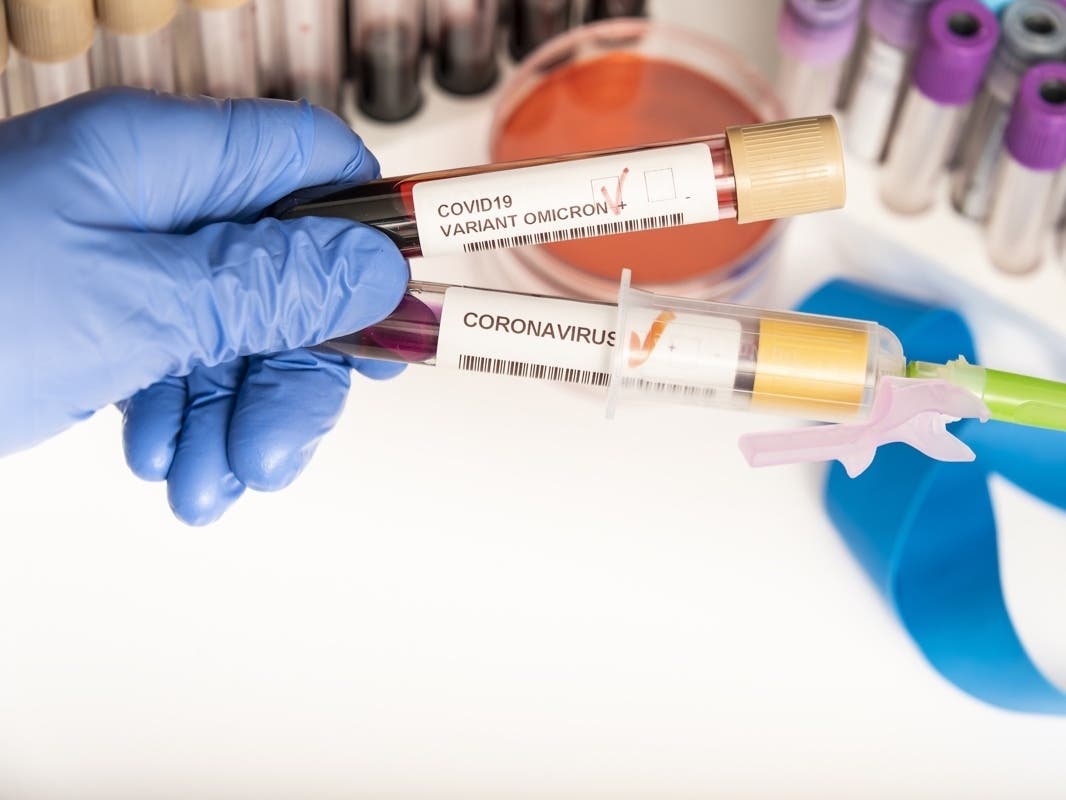
PENNSYLVANIA — Officials in Pennsylvania are on the lookout for the new omicron variant of COVID-19, which emerged recently of out of South Africa and which authorities believe is already here in the United States. The news comes as cases surge in Pennsylvania to their highest level in months.
In response, officials have expanded free, outdoor, drive-up testing sites in several counties around the state.
“The fight against COVID-19 is not over as highly contagious variants continue spreading,” Acting Secretary of Health Alison Beam said in a statement. “Testing is the best way to identify and help stop the spread of the virus. We continue to work with partners across the state ensuring the consistent accessibility of COVID-19 testing.”
Find out what's happening in Norristownfor free with the latest updates from Patch.
No cases have been confirmed in Pennsylvania, but Dr. Scott Gottlieb, former head of the Food and Drug Administration, recently said it's "most definitely" in America. Gottlieb spoke about the new variant on Sunday's episode of "Face the Nation" on CBS.
"It's almost definitely here already, just looking at the number of cases coming off planes this weekend," he said. "It's almost a certainty that there have been cases that have gotten into the United States."
Find out what's happening in Norristownfor free with the latest updates from Patch.
Cases of the new variant have been reported in Canada, Australia, Germany, Italy, Belgium, Israel, Hong Kong, Britain, and other countries. The U.S. and dozens of other countries now have bans on travel from South Africa and seven other southern African countries. A state of emergency was issued for New York Friday in response to the variant's discovery.
In Pennsylvania, the Department of Health says they're taking steps to attempt to detect the variant. They also said that its development should be no surprise.
"Science tells us that the more the COVID-19 virus multiplies, the more likely it will mutate and form new variants," Department of Health spokesperson Maggi Barton told Patch. "We have seen that happen as the Delta variant has accounted for more than 99 percent of the cases sequenced in Pennsylvania over the past several weeks according to the CDC."
Currently, the state is working on sequencing specimens and collecting sequencing results from other labs around the state in an effort to "understand how the variants are affecting our communities."
The new testing sites are located in Berks, Crawford, Jefferson, and Susquehanna counties. Details on locations and hours are available through the Department of Health.
Pennsylvania is continuing to see a surge in overall coronavirus cases in recent weeks, as the statewide positivity rate is up to 12.1 percent. Statewide, hospitalizations were also up by around 400 over the past week, from 2,860 to 3,276.
Barton added that the state's priority remains providing access to the vaccine.
The Wolf Administration’s top focus is ensuring Pennsylvanians have access to the COVID-19 vaccine, as we know that is our best mitigation strategy in containing the spread of the virus," she added. "While capacity restrictions in businesses and restaurants were part of our mitigation strategy early in the pandemic, Pennsylvania is in a very different situation now and we are more prepared now than all prior variants. We also know the path to controlling the virus and limiting variants: get vaccinated, get boosted, and take your children to get vaccinated."
From just over 200 new confirmed cases per day in recent weeks, South Africa saw the number of new daily cases rocket to 2,465 on Thursday. Struggling to explain the sudden rise in cases, scientists studied virus samples from the outbreak and discovered the new variant, which appears to have a high number of mutations — a factor could allow it to spread faster, scientists with the University of Cambridge said.
Lawrence Young, a virologist at the University of Warwick, described the variant as "the most heavily mutated version of the virus we have seen." He said it was concerning that although the variant was only being detected in low levels in parts of South Africa, "it looks like it's spreading rapidly."
So far, there is no indication the variant causes more-severe disease. South African experts said that, as with other variants, some infected people don't have any symptoms.
"It is not yet clear whether infection with Omicron causes more severe disease compared to infections with other variants, including Delta," the World Health Organization said in a statement Sunday. "Preliminary data suggests that there are increasing rates of hospitalization in South Africa, but this may be due to increasing overall numbers of people becoming infected, rather than a result of specific infection with Omicron. There is currently no information to suggest that symptoms associated with Omicron are different from those from other variants."
Fortunately, the Centers for Disease Control and Prevention says federal health officials are better-prepared to battle a surge of the omicron variant than it was a year ago when the delta variant arrived, noting that the CDC has launched a new surveillance system to specifically track the omicron variant.
"This variant is a cause for concern, not a cause for panic," Biden said. "We have the best vaccine in the world, the best medicines, the best scientists, and we're learning more every single day."
With reporting from the Associated Press and Patch correspondents Charles Woodman and Amber Fisher
Get more local news delivered straight to your inbox. Sign up for free Patch newsletters and alerts.