Health & Fitness
Coronavirus In RI: Mortgage Relief Available For Homeowners
More than 20 financial institutions joined forces to help Rhode Islanders who are struggling to pay their mortgage due to the pandeimc.


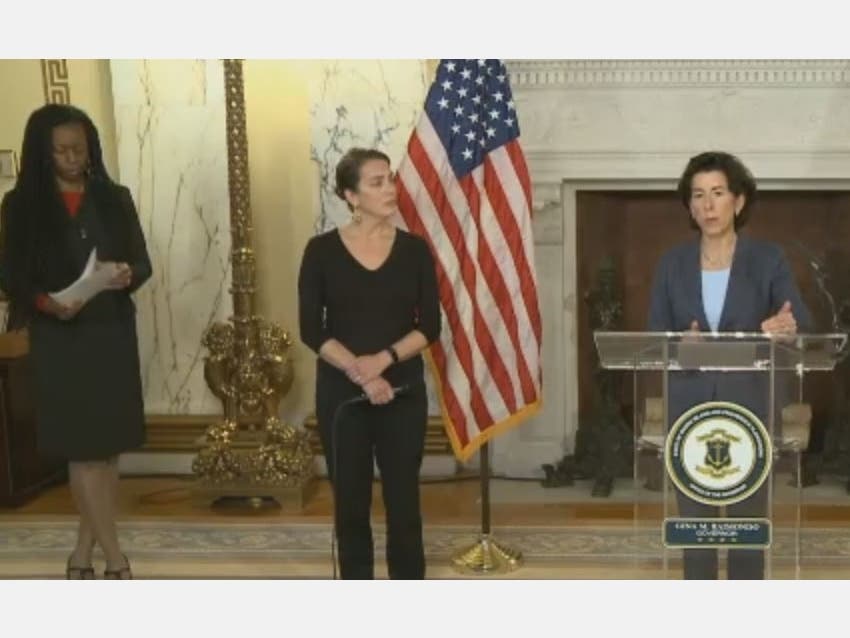
PROVIDENCE, RI — Help is on the way. That was Gov. Gina Raimondo's message to several groups of Rhode Islanders during Friday's daily news conference. From protections for those struggling to pay their mortgages to pay raises for the lowest earners in nursing homes, the governor announced several new programs to help those struggling the most during the coronavirus crisis.
Financial assistance
More than 20 financial institutions joined forces to create protections for homeowners who are struggling to pay their mortgage, Raimondo said. The relief pledges are listed below, and more information is available on the Department of Business Regulation's website.
- A 90-day grace period for mortgages if payments cannot be made due to coronavirus-related issues, with the option to extend.
- Banks will not report late payment to credit rating companies, so late payments will not negatively impact credit scores.
- A 60-day moratorium on foreclosures and evictions.
- No late fees associated with mortgage payment.
"If before COVID-19 you were struggling to pay the rent, you are really struggling now. I want people to remember that," Raimondo said.
Find out what's happening in Cranstonfor free with the latest updates from Patch.
Nursing home and congregate care facility workers who make $20 per hour or less now have the opportunity to receive a pay increase in the coming month, Raimondo said. This temporary measure was put in place to help bridge the gap until more federal stimulus programs are approved, and employers can begin to apply on Monday. Employees making $20 per hour and working at least 30 hours per week will receive $200 extra per week through the month of April, while those working 15 to 30 hours will receive between $100 and $200, depending on the number of hours. The funding will be provided to facilities in the form of a forgivable loan and will be paid for with federal funds, said Director of Administration Brett Smiley.
"We are hearing from our nursing homes, group homes, about serious staff shortages. That is the reality." Raimondo said. "These raises are targeted at people who make $20 or less. These as really the people who are doing the hardest work, with the lowest wages, under the toughest conditions. ... I want to see you receiving a raise in your paycheck as soon as possible."
Find out what's happening in Cranstonfor free with the latest updates from Patch.
Following Congress' approval to replenish the Payroll Protection Program, small businesses in Rhode Island can once again apply for assistance through their financial institution. Business owners are encouraged to reach out as soon as possible to get the process going. Information about what documents are needed is available on the commerce department's website.
Testing
One of the factors needed to begin reopening the economy is robust testing infrastructure, Dr. Nicole Alexander-Scott, the director of the Rhode Island Department of Health, reiterated. The department is working to expand testing to at-risk populations and those who are unable to get to drive-through testing sites.
"I know we need to do more mobile testing," Raimondo said. "We need to get into the community. We need to get to more nursing homes, other areas of congregate living."
In addition to the walk-up sites already operational in Providence and Pawtucket, more sites will be established in areas such as Central Falls, Woonsocket, Olneyville and Cranston. These sites will help reach the "hardest-hit" populations, Raimondo said: low-income, densely populated areas where many residents don't have access to transportation. In addition, the department is expanding mobile testing for the homebound, working with the National Guard and using vans from the University of Rhode Island.
"We've announced walk-up testing sites in Pawtucket and Providence," Raimondo said. "I have already heard these testing sites are making a big difference in these communities. They are testing more than 100 people a day ... We are planning to offer more walkup testing sites where we know there is a need."
Rhode Island recently received 20,000 antibody tests, which will be used on a random sample of residents to get an idea of how prevalent the virus is in the state. Unlike diagnostic swab tests, these tests are a fingerprick. They must be validated, Raimondo said, and results take considerably longer than the nasal swabs.
"I want to tell you that it's going to be weeks, not days, before we have results to share," she said. "This isn't a quick process ... It requires expertise and science to get it right."
Domestic Violence
With the vast majority of the state's population at home due to the shutdown, there has been a major spike in domestic violence-related 911 calls, Raimondo said.
"We've seen a big increase in 911 calls on account of abuse happening in our homes. And that's not OK.," she said. "We know that not everyone is safe at home."
Domestic violence hotlines and shelters are still operational for those who need them, the governor said, and have the capacity to offer assistance. A full list of domestic violence agencies in Rhode Island is available on the government's website.
Next week, Raimondo will hold a violence prevention town hall with Rhode Island's congressional delegation and Attorney General Peter Neronha. The event will be help on Thursday at 11 a.m. Questions can be submitted via email to communications@governorri.com and can be anonymous, if preferred.
Elective surgery
One of the first steps to reopening the state's economy will be the reintroduction of non-critical procedures in hospitals, a critical source of revenue. Raimondo said she is "in a rush" to get things moving again, and has tasked the state's hospitals with drawing up a plan to begin scheduling these procedures again. At this time, there is not a set date, but more information and guidance is expected next week.
Like with all other aspects of the economy, this will be done in stages she said, with considerations for infection control and maintaining supplies of personal protective equipment.
More details about reopening the state's economy on the whole will come next week, as well, she said.
Get more local news delivered straight to your inbox. Sign up for free Patch newsletters and alerts.