Health & Fitness
Rhode Island DEM To Spray Mosquito Larvicide
The spraying operations will be targeted to three areas where EEE-positive mosquitoes have been found and where a human case was confirmed.


Following four positive findings of Eastern Equine Encephalitis in the state, the Rhode Island Department of Health will spray larvicide from an airplane over three areas on Thursday: Westerly's Chapman Swamp, the South Branch area of the Pawtuxet River in West Warwick and the Valley Marsh area near Lincoln, Cumberland, and Central Falls.
Two EEE-positive mosquitoes were found in Westerly, where a horse also tested positive for the disease. The state's first human case was confirmed in West Warwick. The first two detections of EEE in the state were found in Central Falls on August 15.
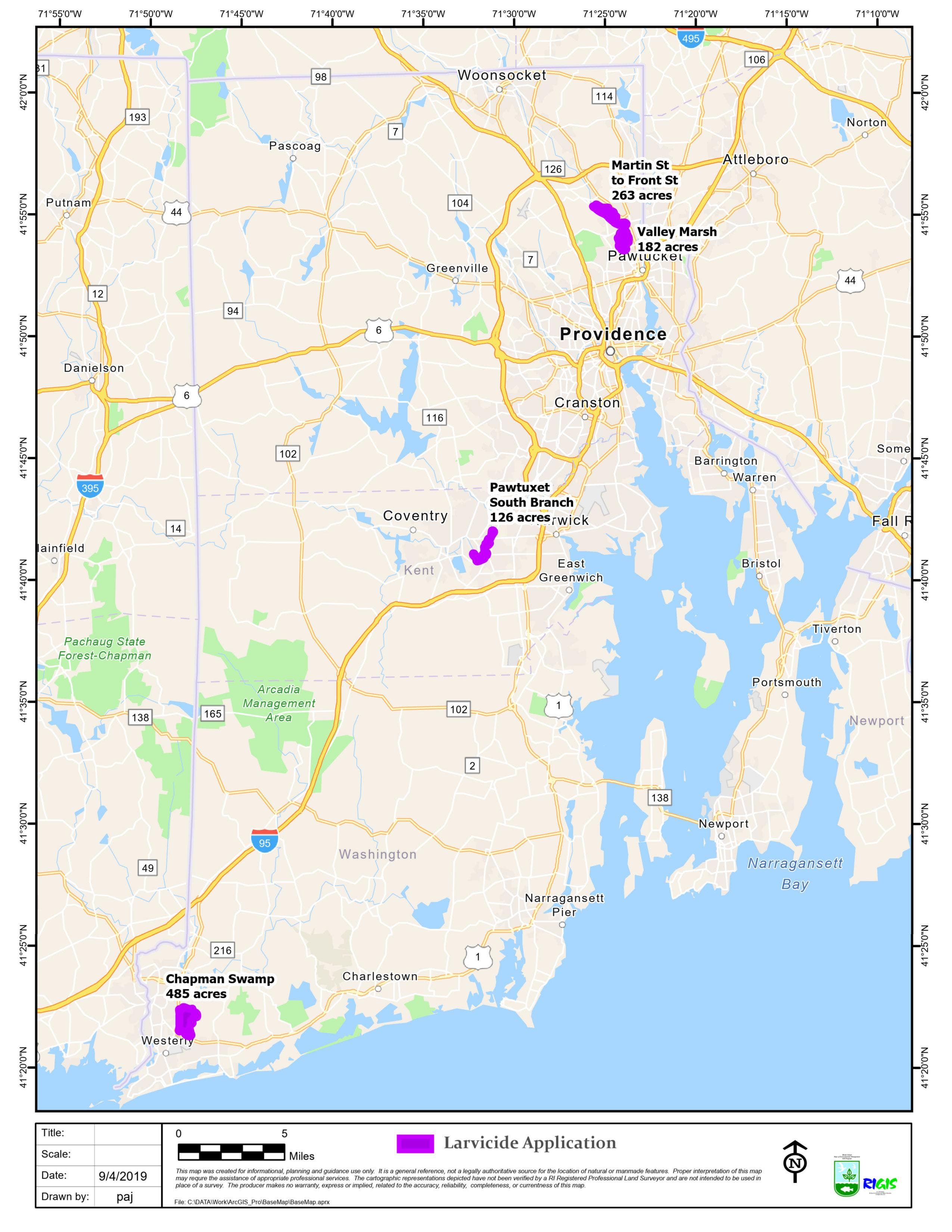
The aerial spraying is weather-dependent, as calm conditions are needed. The larvicide targets young mosquitoes before they can mature into adults. The spraying covers all species of mosquitoes and will reduce the risk of both EEE and West Nile Virus.
Find out what's happening in Narragansett-South Kingstownfor free with the latest updates from Patch.
The larvicide is called Bti, a naturally occurring bacterium that doesn't pose a risk to humans. During the application, bags of the larvicide will be loaded onto a helicopter and spread over the swampy breeding grounds. The toxins in the Bti only affect the larvae of mosquitoes, black flies and fungus gnats. They will not impact any other insects like honey bees, the DEM said.
Additional spraying for "adulticiding," or targeting mature mosquitoes, could come in the next few days. The DEM will announce all spraying plans in advance.
Find out what's happening in Narragansett-South Kingstownfor free with the latest updates from Patch.
Get more local news delivered straight to your inbox. Sign up for free Patch newsletters and alerts.