Health & Fitness
URI health students conduct virtual check-ups with area seniors
Health Sciences, Pharmacy, Nursing students hold annual Senior Day online due to ongoing COVID-19 pandemic

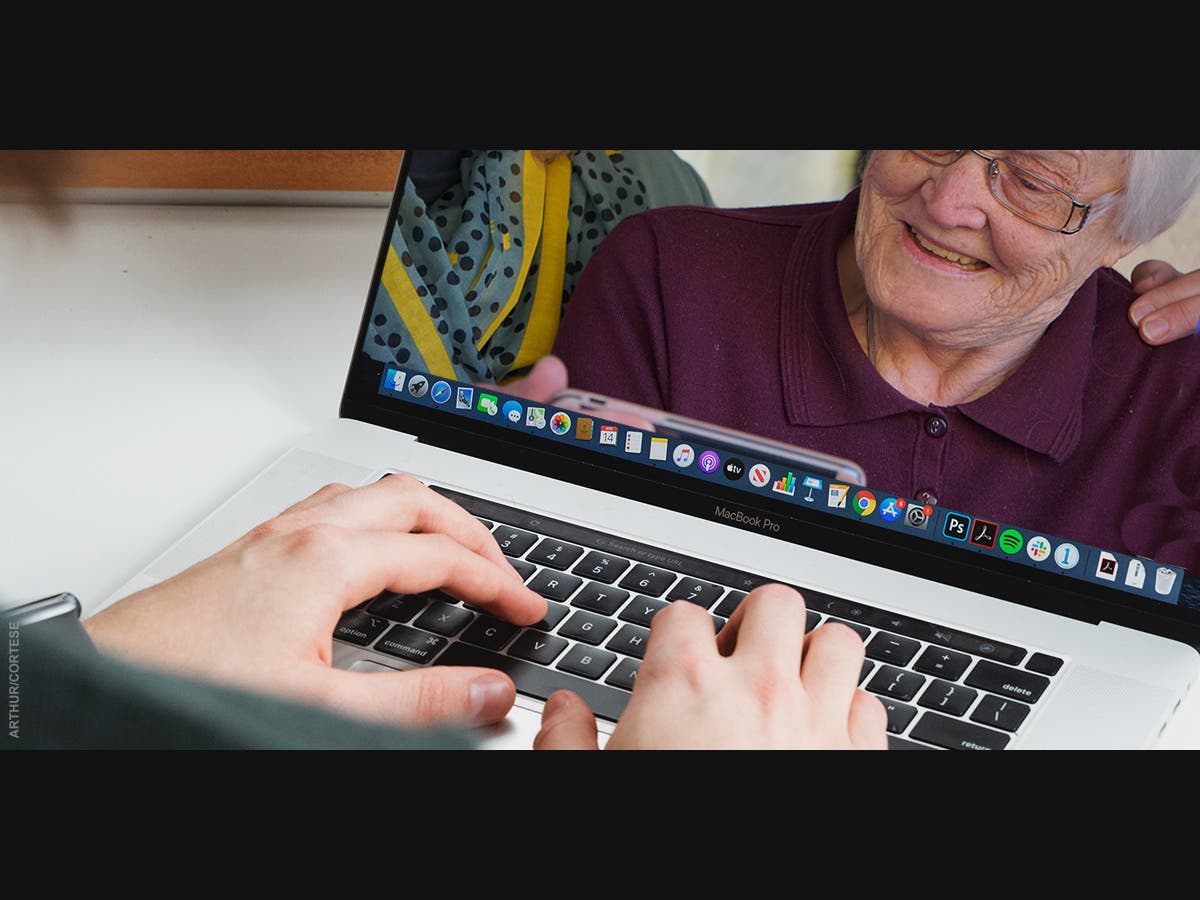
An older adult named Daureen told of the difficulties she has with
otherwise simple tasks like cooking because of the arthritis in her
hands. She detailed the medicines she takes, expressed concerns about
falling, scheduled follow-up physical therapy appointments, and even got
a quick mental health checkup, all in a single virtual meeting with a
group of University of Rhode Island students from the colleges of the
Academic Health Collaborative.
The annual Senior Day is a health and wellness program for older adults in the community organized by the Colleges of Health Sciences, Nursing and Pharmacy.
About 30 seniors meet with teams of URI graduate and undergraduate
students for a comprehensive assessment of their health — diet, vital
signs, sleep habits, medications, mobility, strength, balance.
Ordinarily an in-person event held on a single day in Independence
Square, this year’s program took place over a series of virtual sessions
due to the ongoing COVID-19 pandemic.
About 150 students in physical therapy, nutrition, pharmacy, nursing,
communicative disorders, psychology and human development and family
studies, as well as students from Johnson & Wales University’s
occupational therapy program, broke into teams to meet with individual
clients via Zoom, provide comprehensive health screenings and write
recommendations for each client, sometimes referring them to additional
services, including the physical therapy clinic at URI.
Find out what's happening in Narragansett-South Kingstownfor free with the latest updates from Patch.
“It’s been good to have all sorts of different health professionals
come and work together,” said Kaley Ahern, a second-year grad student in
URI’s doctor of physical therapy program who headed up Daureen’s
session recently. “It’s a good chance for us to get to meet different
health studies professionals and work together to see how everyone
works, because in the real world, that’s how it is. So it’s nice to have
exposure to that while in school.”
The program started nearly a decade ago with about 14 volunteers and physical therapy students, according to Janice Hulme,
clinical professor of physical therapy and an event organizer. In
recent years, it has expanded to include other disciplines, giving the
students a chance to work closely with peers in other health fields.
Find out what's happening in Narragansett-South Kingstownfor free with the latest updates from Patch.
The team aims to conduct an overall health check — physical and
mental — on each client. Nutrition students consult with clients on the
healthiest diets for them; communicative disorders students work on any
communication issues, if any; and psychology and human development and
family studies students check in on their mental health and family life,
among other check-ups.
Pharmacy student Alicia Ademi went over the medications Daureen takes
to manage her diabetes and the pain of arthritis. She asked the client
about her adherence to the medication schedule and any side effects she
had experienced. She explained alternatives to medication, including
therapeutic supplements like CBD cream for her arthritis, but given
Daureen’s satisfaction with her medication schedule, they agreed to
should stay with her current plan.
“For physical therapy, we’re looking to see where they are with their
fall risk, look at their medical history – maybe there’s some
medication they are on that puts them at risk of a fall,” Ahern said,
noting the group scheduled a follow-up program with URI’s Physical
Therapy Clinic for Daureen. “What are their activities and exercises?
Are they generally an active, healthy person? Are they hearing right?
Are they able to see properly? Are there any interventions that we could
recommend or education we can provide them to help them if they are at
risk? We’re learning how to express questions to them and how to get a
good history and ask the right questions for their evaluation.”
That education for students is as much a part of the program as is
the wellness check for the senior volunteers. The students learn from
their clients and from each other while providing a benefit to the
clients.
“I learned a lot about what the other majors did. For instance, the
HDF student asked a lot of personal questions about depression and
social aspects of life,” Ahern said. “I feel like sometimes as a PT
student, I know we should ask those questions, but that topic can be
more uncomfortable to discuss. So it was really nice to see how well and
how fluent she was with asking those personal questions, so it gave me
good insight for the future. This is something I’m happy I had the
opportunity to do; it’s so unique to be able to work with the different
health practitioners. It’s good practice for our future.”
Handling the complications imposed by the COVID-19 pandemic adds
another layer of education for the students and clients, who have all
gotten a lesson in telehealth and Zoom appointments.
“It’s been really challenging with COVID just doing this all
remotely, so I’ve really enhanced my communication skills being able to
work as a team when we can’t physically see each other,” Ahern said.
“And we need to work with a patient when we’re not physically there to
pick up on some cues or be there to support them. So that added another
whole layer that made it kind of challenging.”
The students have been able to power through the challenges, Hulme
said, and continue to provide important advice to their senior clients.
The challenges have actually presented opportunities to learn, both for
the students and the clients.
“Delivering the program virtually actually improved the team aspect
and prepared students for the challenges of telehealth,” Hulme said.
“The program was very successful, and there was one unanticipated
benefit that came with the changes. Because of the additional number of
visits, seniors learning Zoom, and doing the ‘visits’ while the
seniors were at home, many groups formed bonds in ways we did not
expect.”
The students have formed bonds with each other and their clients.
“My senior has given me so much great information from her own life,
like telling me she walks backwards down stairs because it puts less
pressure on her knees,” Ahern said. “Just by having a conversation with
her I’m getting ideas of things I can suggest to patients in the future.
The seniors realize it’s for our educational purposes and our practice,
and I think they enjoy being able to be teachers with us and
communicate with us. It’s a really unique opportunity to be able to talk
to someone different.”