Politics & Government
Health Department Closes Beaches in Newport and Middletown
Days of rain prompt health department to close beaches to swimming because of high bacteria levels.

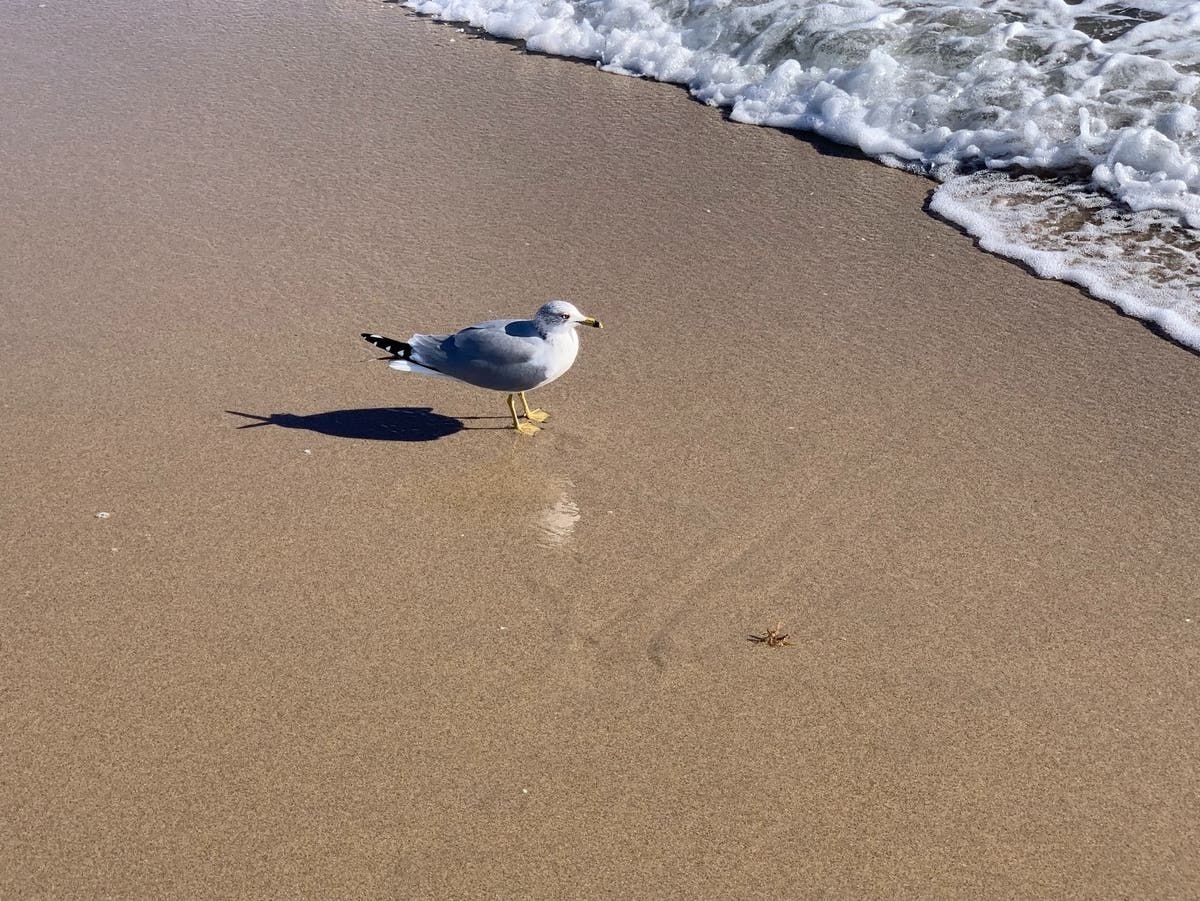
The Rhode Island Department of Health (DOH) has closed beaches around the state because of high bacteria levels, including two in Newport and three in Middletown. Closed until further notice are Easton's Beach and Fort Adams State Park in Newport, and Atlantic Beach Club Beach, Peabody's Beach, and Third Beach, all Middletown. They remain closed until further notice because of bacteria levels caused by stormwater run-off.
Anyone who swims these waters runs the risk of contracting nausea, vomiting and diarrhea, as well as infections to any open cuts or wounds, according to health department reports.
The Department of Health (DOH) recommended the most recent closures based on samples taken Monday, Aug. 23, 2010 that showed elevated bacteria counts following recent heavy rainfalls. Given the history of each of those sites, the bacteria spike can most likely be attributed to bacteria flushed from island storm drains that empty out near those beaches.
Find out what's happening in Newportfor free with the latest updates from Patch.
The sands of Atlantic Beach and Easton's Beach are divided almost exactly where one storm drain empties into the ocean waters.
Annemarie Beardsworth, the state health department spokesperson, recently said of Atlantic Beach, "Whenever we have more than an inch of rain there, that beach is closed based on what we know from history. If you think of everything that goes into storm drains and there's only one outlet, there's only one place to go and that's near the beach," said Beardsworth."
Find out what's happening in Newportfor free with the latest updates from Patch.
Health department officials will announce when the beach waters are safe again for human contact and encouraged the public to call the beach hotline at (401) 222-2751 before visiting any beach after rainfall.
Due to a hot, dry summer, the recent closures were the third this year for Atlantic and Easton's Beach, the first for Fort Adams, and the second for Peabody's and Third Beach, according to DOH statistics collected for each beach.
The recent samplings taken at each beach Aug. 23 showed the elevated presence of enterococci, which are anaerobic organisms that do not require oxygen for metabolism, but can survive in oxygen-rich environments such as storm water.
The bacteria is commonly linked to fecal coliform often found in city sewage. Health risks associated with the bacteria often include gastrointestinal illness, such as nausea, vomiting and diarrhea, as well as infections to any open cuts or wounds. According to online medical journals, other links have been drawn to various infections such as urinary tract infections, bacteremia, bacterial endocarditis, diverticulitis, and meningitis.
According to Beardsworth, the enterococci bacteria for salt water can range from less than 10 to more than 24,198 parts per million.
Samples taken Monday for the closed beaches were: Atlantic Beach (4,352); Easton's Beach (ranged by location from 272 to 601); Fort Adams Beach (529); Peabody (120), and Third Beach (ranged by location from 669 to 691).
"A beach is considered safe for swimming when there is a result that is less than 104," said Beardsworth.
Whenever it rains hard, the DOH discourages swimming, surfing and other full body contact activities there for at least 24-hours afterwards and to check with the state DOH website or call the hotline for the latest updates.
While rain is outside everyone's control, Beardsworth said residents can help prevent storm drain water from contaminating Atlantic Beach by not disposing of pet waste in local storm drains, a big contributor of enterococci.
For more information about beach closures, visit the Department of Health website or call (401) 222-2751 for recorded announcements.
Get more local news delivered straight to your inbox. Sign up for free Patch newsletters and alerts.