Politics & Government
City Moves to Prohibit Bath Salts, Synthetic Marijuana
Easley City Council approved a first reading of a local ordinance to ensure the prohibition of bath salts and synthetic marijuana


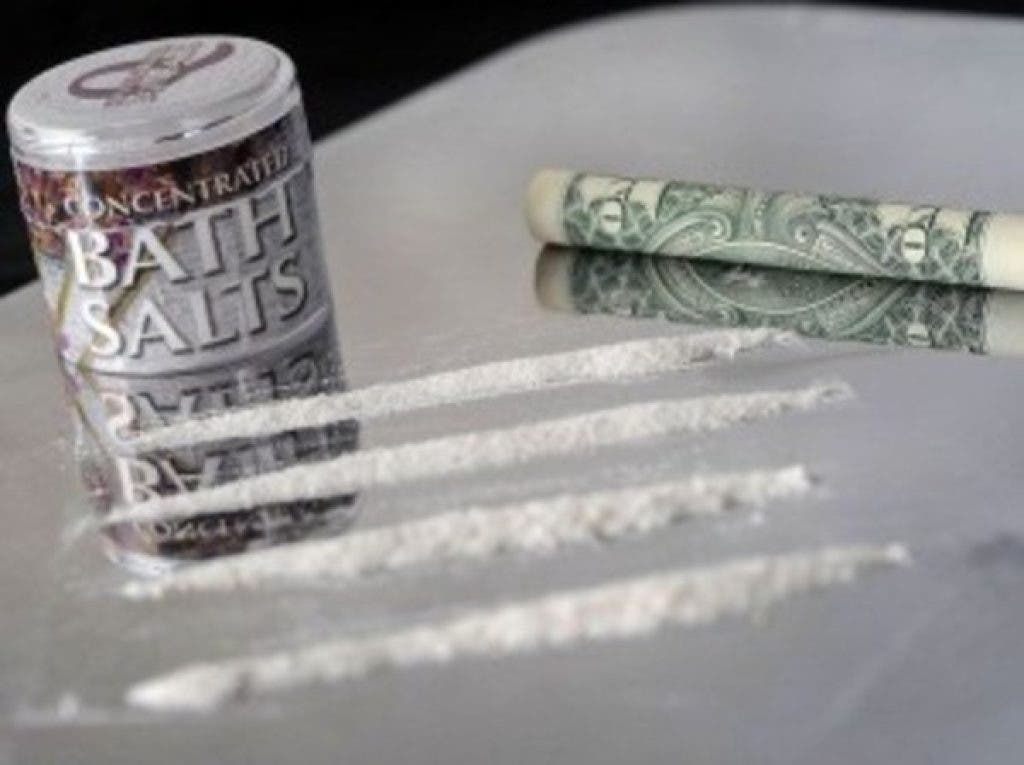
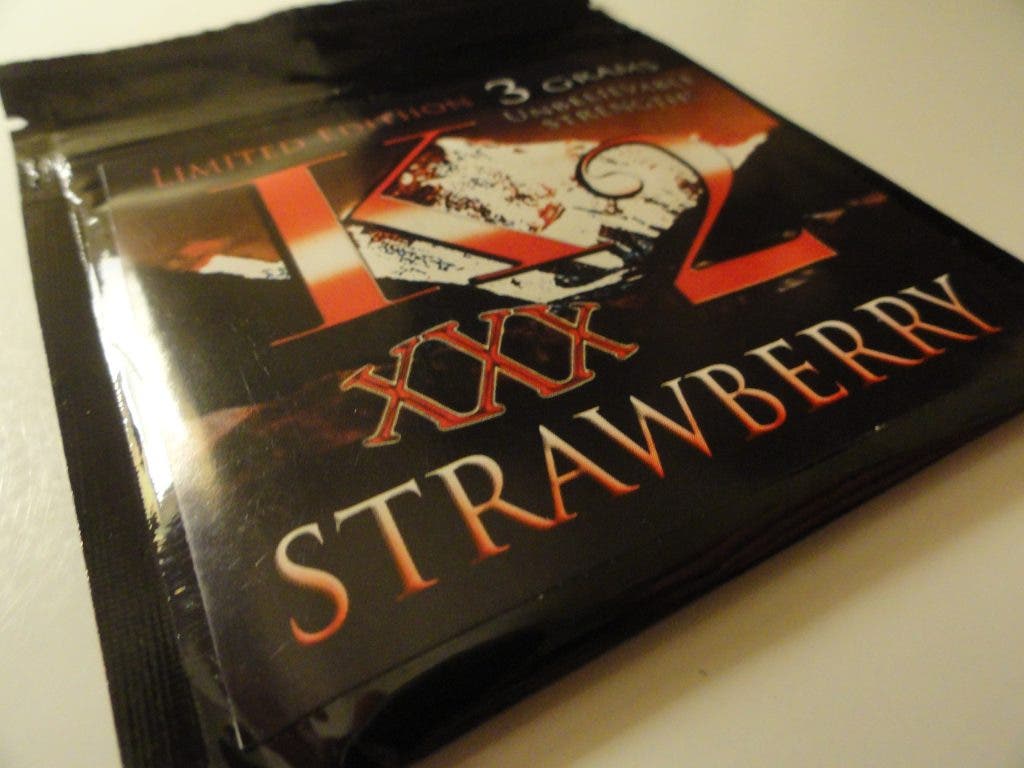

Easley's City Council took a step towards enacting an ordinance that would effectively prohibit the sale, use and possession of bath salts and synthetic marijuana, both deemed harmful drugs.
The United States Drug Enforcement Agency issued an emergency ban on the chemical ingredients found in bath salts for 12 months on Oct. 21. The state of South Carolina followed suit and rescheduled the chemicals as Schedule 1 drugs on Oct. 24.
Even though the federal ban will be in place for the next year, Easley Police Chief William Traber said the state ban is only good for 90 days until the state legislature reconvenes.
Find out what's happening in Easleyfor free with the latest updates from Patch.
"It's really about making sure we have options," Traber said.
Traber said the bath salts have been more of an issue than synthetic marijuana and from his perspective are even worse than traditional drugs.
Find out what's happening in Easleyfor free with the latest updates from Patch.
"We responded to a call of an overdose just yesterday where the individual became suicidal," Traber said.
He said most of the time someone who is high on marijuana, cocaine, or other drugs can still carry on a conversation, but someone who has taken bath salts becomes completely incoherent.
"They're smoking it, snorting it, and they're injecting it," Traber said about the bath salts. "We had an individual who ingested bath salts and for three days he didn't know where he was."
According to South Carolina law, anyone who manufactures, distributes or possesses such drugs is guilty of a felony and can be punished with no more than five years in prison and a $5,000 fine for a first offense.
Three substances used to make bath salts, mephedrone, methylone and methylenedioxypyrovalerone (MDPV), were banned. Five substances used to make synthetic marijuana were already banned.
Councilman David Watkins asked whether business owners are being given notice.
"We're sending out letters and hand delivering letters," Traber said. "We're giving people a little time here."
Anyone who possesses the substances can still hand them over to authorities without facing penalties. After the second reading of the city ordinance on Nov. 14, that will change.
"These folks know what they're selling and they know what they're selling is wrong," Councilman Chris Mann said.
Traber said the department has not found anyone selling the drugs since the emergency ban went into effect on Oct. 21.
The council moved to unanimously approve a first reading of the ordinance to prohibit these drugs and will hear a second reading during the regularly scheduled meeting on Nov. 14.
Get more local news delivered straight to your inbox. Sign up for free Patch newsletters and alerts.