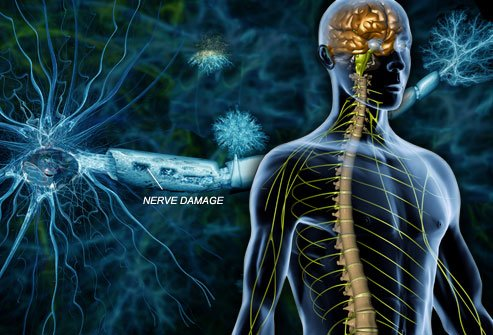
Multiple Sclerosis ( MS ) affects millions of people around the world. This disease is unpredictable and varies in severity, from a mild illness in some patients to a permanent disability in others.
Multiple Sclerosis (MS) is a chronic, potentially debilitating disease that affects the brain, brain stem and spinal cord. Symptoms typically begin between ages 20 and 40, with women being afflicted twice as often as men. The most common symptoms of Multiple Sclerosis include numbness and tingling in the arms and legs, difficulty walking, impaired balance, muscle weakness, visual disturbances and memory loss.
Multiple Sclerosis & Physical Trauma
For more than a century, physicians and scientists have unsuccessfully attempted to determine the exact cause of Multiple Sclerosis. The textbook Current Medical Diagnosis and Treatments states there are many factors, including trauma, that may trigger or precede exacerbations. An article in the European Journal of Neurology concluded that there is a definite sub group of MS patients where trauma, specifically whiplash of the neck, appears to worsen the natural course of MS. In susceptible individuals, these injuries might unleash critical changes in the central nerve system and trigger the onset of MS symptoms.
Continue Reading...