Chattanooga, TN|Local Classified|For Sale|
Why Pawpaw Trees Belong in Every Native Landscape
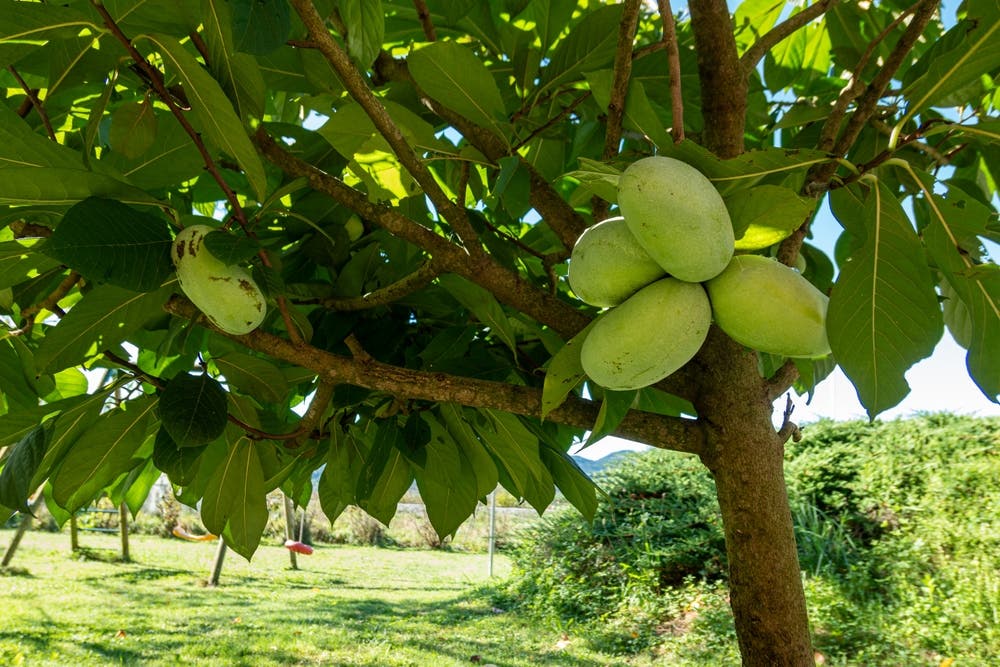
Pawpaw Trees deserve far more recognition than they often receive because they combine ornamental beauty, edible fruit, and exceptional ecological value in one remarkable native tree. I have always appreciated how Pawpaw Trees quietly thrive beneath larger forest canopies while providing benefits that extend far beyond simple fruit production. Every stage of growth offers something valuable, making Pawpaw Trees an excellent investment for homeowners interested in sustainable landscaping.
The large leaves of Pawpaw Trees immediately create a tropical appearance that surprises many gardeners. Their broad foliage provides texture and cooling shade while helping establish a lush woodland atmosphere. I find that Pawpaw Trees become natural focal points because their foliage differs so dramatically from surrounding native trees. The distinctive canopy also creates comfortable microclimates beneath the branches during the hottest part of summer.
Spring brings another important stage in the life cycle of Pawpaw Trees. The unusual flowers appear before fruit development begins, attracting specialized pollinators that support successful harvests. As the growing season progresses, Pawpaw Trees gradually produce clusters of fruit that mature into one of the most unique native foods available. The rich, custard-like texture and tropical flavor have made Pawpaw Trees increasingly popular among gardeners and chefs alike.
Pawpaw Trees perform best in fertile, moist, well-drained soil and establish steadily with moderate care. Younger Pawpaw Trees often appreciate some afternoon shade while developing, but mature trees tolerate increased sunlight as they grow. Once established, Pawpaw Trees become reliable, long-lived additions to the landscape.
One of the greatest ecological contributions of Pawpaw Trees is their role in supporting zebra swallowtail butterflies. The caterpillars rely entirely on Pawpaw Trees for food during development. By planting Pawpaw Trees, homeowners actively contribute to preserving one of North America's most distinctive butterfly species.
Autumn adds another layer of beauty as the foliage transitions before leaf drop. Even after dormancy begins, Pawpaw Trees maintain attractive branch structure that contributes visual interest through winter.
For anyone seeking native beauty, dependable fruit production, and lasting environmental value, Pawpaw Trees remain one of the finest landscape investments available. Their adaptability, wildlife benefits, and remarkable fruit ensure that Pawpaw Trees continue rewarding careful gardeners for decades.