Politics & Government
Air Force Aims To Prevent Reporting Lapses After Texas Shooting
The Air Force said its failure to report Devin Kelley's criminal history was "not an isolated incident" and has implemented new protocols.

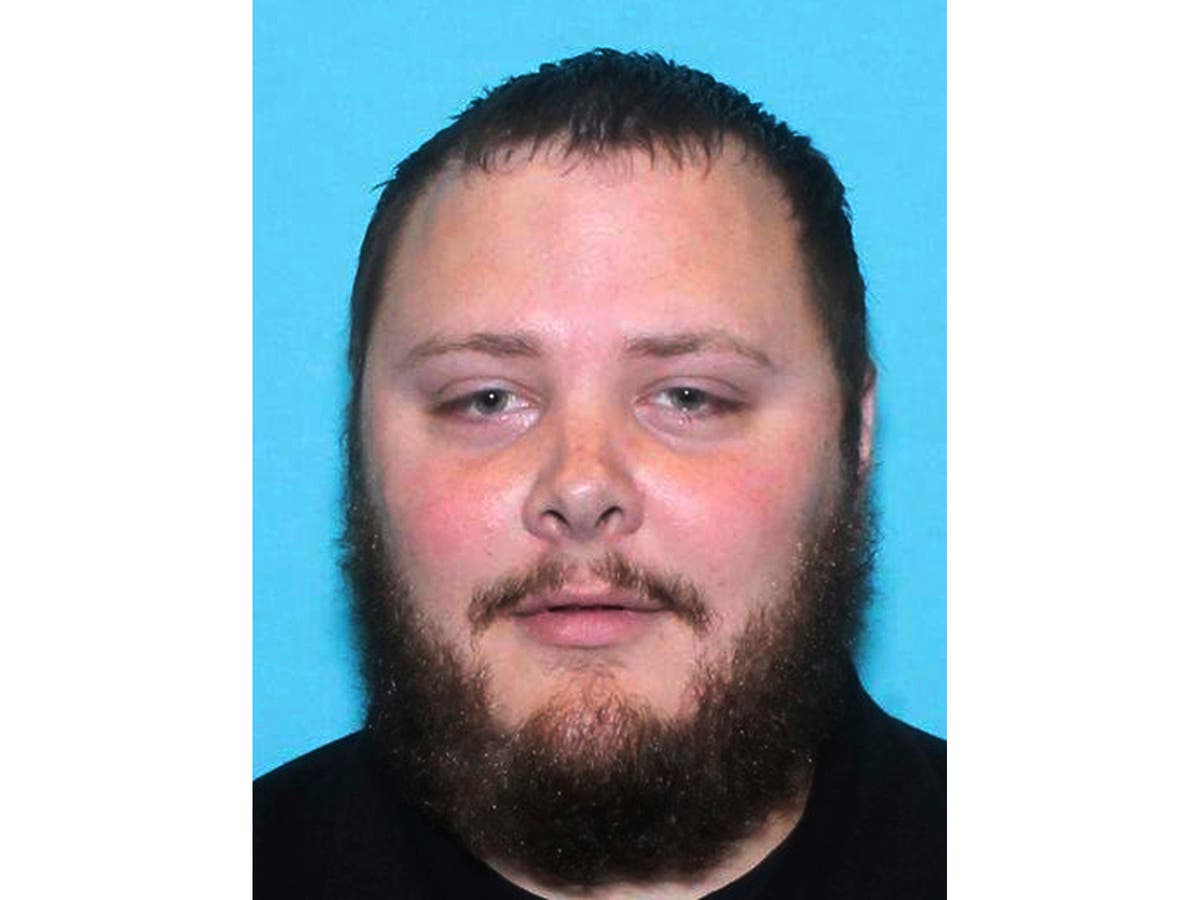
SUTHERLAND SPRINGS, TX — Texas church shooter Devin Kelley shouldn't have been able to buy guns because he had been convicted of assaulting his then-wife and stepson in 2012. But the fingerprint card and the report on the outcome of his court martial were never sent to the FBI by Air Force personnel at Kelley's base in New Mexico, so his name was never blacklisted.
On Tuesday, the Air Force said its failure to report Kelley's criminal history was "not an isolated incident" — suggesting it was part of a pattern of reporting lapses. In a written statement on progress in its investigation, the Air Force faulted gaps in "training and compliance measures" for the lapse.
The Air Force inspector general is undertaking an in-depth review of the service's compliance with long-standing requirements to report certain criminal history information to the FBI for inclusion in databases used to conduct background checks of gun buyers. It is part of a broader Pentagon-wide review of compliance with these requirements.
Find out what's happening in Across Texasfor free with the latest updates from Patch.
Kelley was sentenced to 12 months in confinement and given a bad conduct discharge. He left the Air Force in 2014.
Related stories:
Family Losing 9 To Texas Shooting Files Claim Against Government
In its statement Tuesday, the Air Force said its review, which is not yet complete, found that the reporting failure in the Kelley case was by Office of Special Investigation officials and Air Force security force personnel at Holloman Air Force Base in New Mexico.
Find out what's happening in Across Texasfor free with the latest updates from Patch.
"The review also found the error in the Kelley case was not an isolated incident and similar reporting lapses occurred at other locations," it said. "Although policies and procedures requiring reporting were in place, training and compliance measures were lacking."
The Air Force said it has made changes designed to prevent such failures in the future. For example, it is now requiring that leaders up the chain of command verify that criminal history reporting requirements have been met in every case. In the Kelley case, the failure to submit the required information to the FBI was not caught by higher-ups because no such verification was required.
Additional training on these procedures is being conducted now. Also, the Office of Special Investigations will require physical verification, in the form of a printout or screenshot, from the FBI's National Crime Information Center that it received and accurately entered the criminal history information in its database. Thus, the Air Force will verify that its information was received by the FBI, not just that it was sent.
The Air Force is not alone is recognizing such reporting failures. The Army chief of staff, Gen. Mark Milley, said in recent days that his service failed in a "significant amount" of cases to alert the FBI to soldiers' criminal history.
"It's not just an Air Force problem," Milley said. "This is a problem across all the services where we have gaps in reporting criminal activity of people in service."
Watch: Texas Church Shooter Had A Violent Past
By ROBERT BURNS, AP National Security Writer
Photo credit: Texas Department of Public Safety via AP