Politics & Government
Texas Files Brief Arguing DOJ Can't Sue State Over Abortion Law
In the filing, the state argues that the U.S. government doesn't have cause of action and that interstate travel is not being limited.


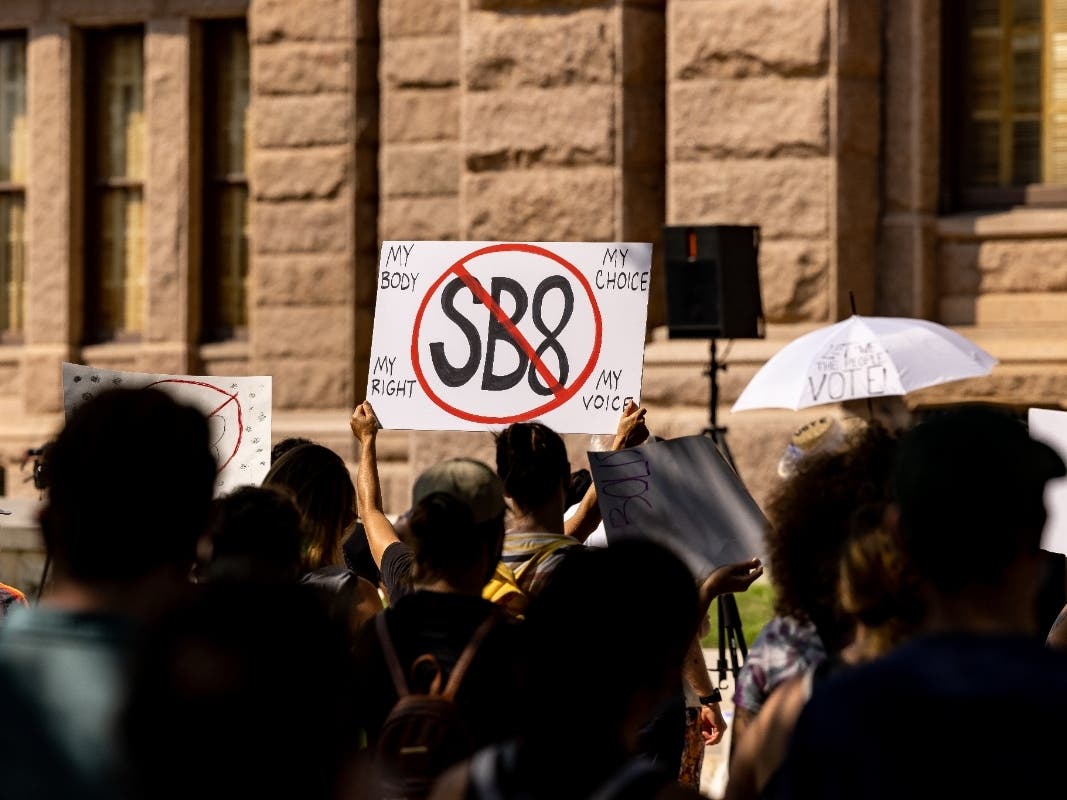
TEXAS — The state of Texas filed a brief asking for the dismissal of the U.S. Department of Justice's motion for an injunction on enforcement of Senate Bill 8, Texas' new restrictive abortion law, on Wednesday.
The Texas Heartbeat Act prohibits abortions after a "fetal heartbeat" is detected, which can occur as early as six weeks, and went into effect Sept. 1. Under the law, private citizens can sue anyone who facilitates or otherwise aids and abets an abortion after a fetal heartbeat is detected.
The Department of Justice filed suit against Texas on Sept. 9, arguing the state enacted the law "in open defiance of the Constitution."
Find out what's happening in Across Texasfor free with the latest updates from Patch.
Wednesday's filing by lawyers from Texas Attorney General Ken Paxton's office in the Western District of Texas argues the federal government can't sue the state over the law because it doesn't have cause of action since abortions are not constitutional rights and enforcement of the law is left to private citizens. The brief further argues private citizens are not "agents of the state" and that the court doesn't have the authority to enjoin absent third parties and state courts.
The brief also states there is no cause of action under the obstruction of interstate travel, arguing that the law increases interstate travel and citing instances of women leaving Texas to get abortions out of state since the law was enacted.
Find out what's happening in Across Texasfor free with the latest updates from Patch.
In its lawsuit, the Justice Department is seeking the law be enjoined because it violates precedent from Planned Parenthood v. Casey.
"The act is clearly unconstitutional under long-standing Supreme Court precedent," U.S. Attorney General Merrick Garland said during a Sept. 9 news conference announcing the DOJ lawsuit. "Those precedents hold, in the words of Planned Parenthood v. Casey, that 'regardless of whether exceptions are made for particular circumstances, a state may not prohibit any woman from making the ultimate decision to terminate her pregnancy before viability.'"
But the brief contends that the law itself is constitutional and that the Justice Department has mischaracterized the law as it is "not a ban" on pre-viability abortions.
"Instead, Texas has enacted a private cause of action to encourage, insofar as possible, that any
abortions take place before a heartbeat is detectable," the brief states. "Pre-viability abortions remain an option, most obviously before a heartbeat is detectable."
Get more local news delivered straight to your inbox. Sign up for free Patch newsletters and alerts.