Health & Fitness
‘Dirty Dozen’ List Of Pesticide-Tainted Produce: Should You Worry?
Is the Environmental Working Group's list of pesticide-tainted fruits and vegetables something to worry about? It depends on who you ask.


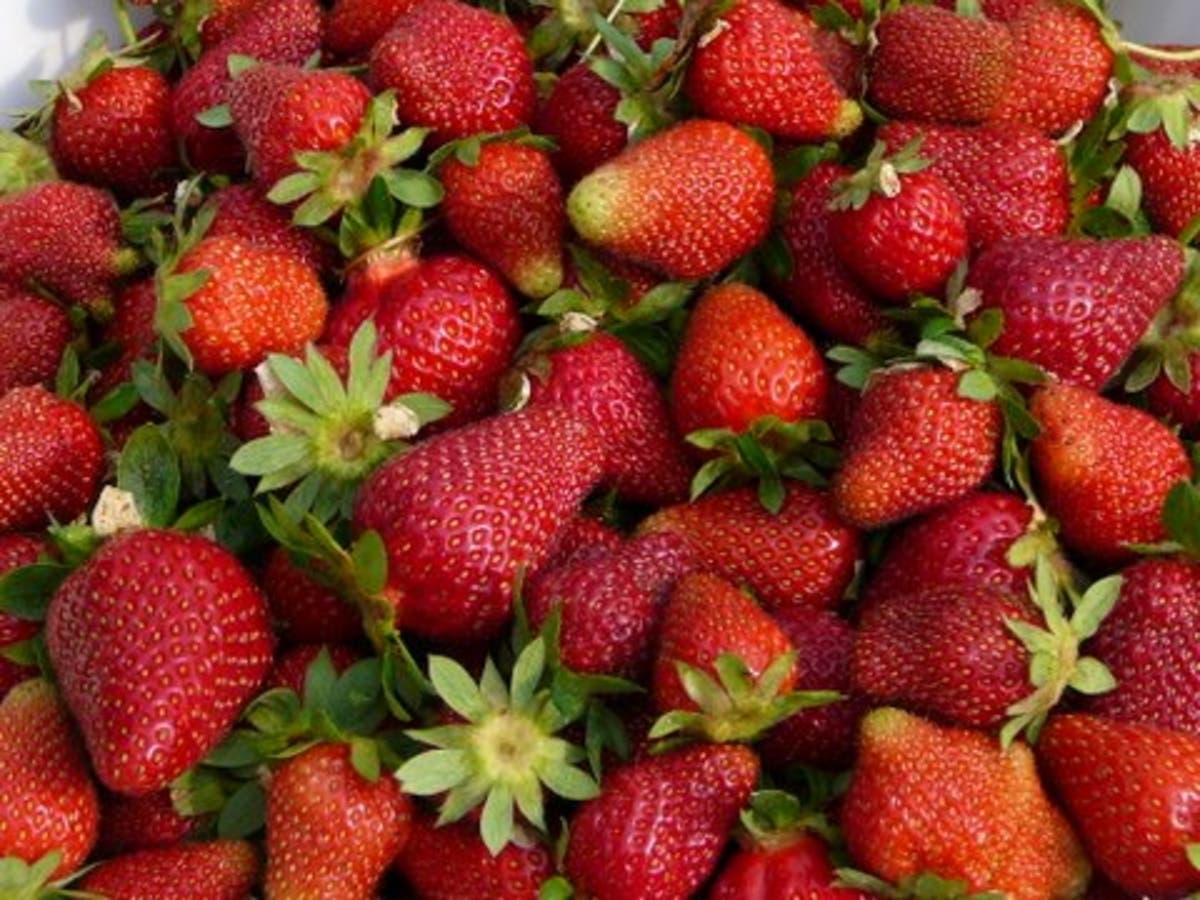
If strawberries, spinach and nectarines are on your shopping list, be warned: They top the “Dirty Dozen” list of conventionally produced fruits and vegetables tainted with pesticide residues, according to an analysis based on U.S. Department of Agriculture tests that found 178 different pesticides on thousands of produce samples. The Environmental Working Group, which released the list Wednesday, said the pesticides persisted on foods, even after they were washed and, in some cases, peeled.
The list also includes (from worst to best) apples, peaches, celery, grapes, pears, cherries, tomatoes, sweet bell peppers and potatoes. The EWG, a nonpartisan, nonprofit research and advocacy group, also listed the “Clean Fifteen” list of foods that had very little, if any, pesticide residue. Those crops were sweet corn, avocados, pineapples, cabbage, onions, frozen sweet peas, papayas, asparagus, mangoes, eggplant, honeydew melon, kiwis, cantaloupe, cauliflower and grapefruit.
Among the key findings of the analysis:
Find out what's happening in Across Americafor free with the latest updates from Patch.
- More than 98 percent of samples of strawberries, spinach, peaches, nectarines, cherries and apples tested positive for at least one pesticide.
- A single sample of strawberries showed 20 different pesticides.
- On average, spinach had twice as much pesticide by weight than any other crop.
Should you worry? No, according to Carl Winter, a professor of toxicology at the University of California-Davis, who said the pesticides are found at levels that are too small to merit alarm.
“Typical U.S. consumer exposure to the most common pesticides found on the [list] is at a tiny fraction of what would be of health concern,” Winter told Business Insider.
Find out what's happening in Across Americafor free with the latest updates from Patch.
Winter said the methodology used to compile the list is flawed, and may discourage consumers from eating enough fruits and vegetables. Specifically, he said after the EWG released its spring 2017 list, the group’s analysis fails to take into account to toxicity of the pesticides, the amount of the pesticide-tainted food the consumer actually eats and the residue levels of pesticides found on the food.
But parents of young children may want to pay attention to the list because they may be more susceptible to pesticides than adults, according to a 2012 study published in the journal of the American Academy of Pediatrics. The study found “associations between early life exposure to pesticides and pediatric cancers, decreased cognitive function and behavioral problems.”
“Even low levels of pesticide exposure can be harmful to infants, babies and young children, so when possible, parents and caregivers should take steps to lower children's exposures to pesticides while still feeding them diets rich in healthy fruits and vegetables," Dr. Philip Landrigan, a pediatrician at the Mt. Sinai School of Medicine in New York, told USA Today
Read the full list here and more about the EWG’s methodology here.
Patch file photo
Get more local news delivered straight to your inbox. Sign up for free Patch newsletters and alerts.