Business & Tech
Main Street America Brutalized By Tariffs: What’s Next For Refunds?
Small business advocates say the damage of tariffs has already been done with business closures and layoffs rippling across local economies.


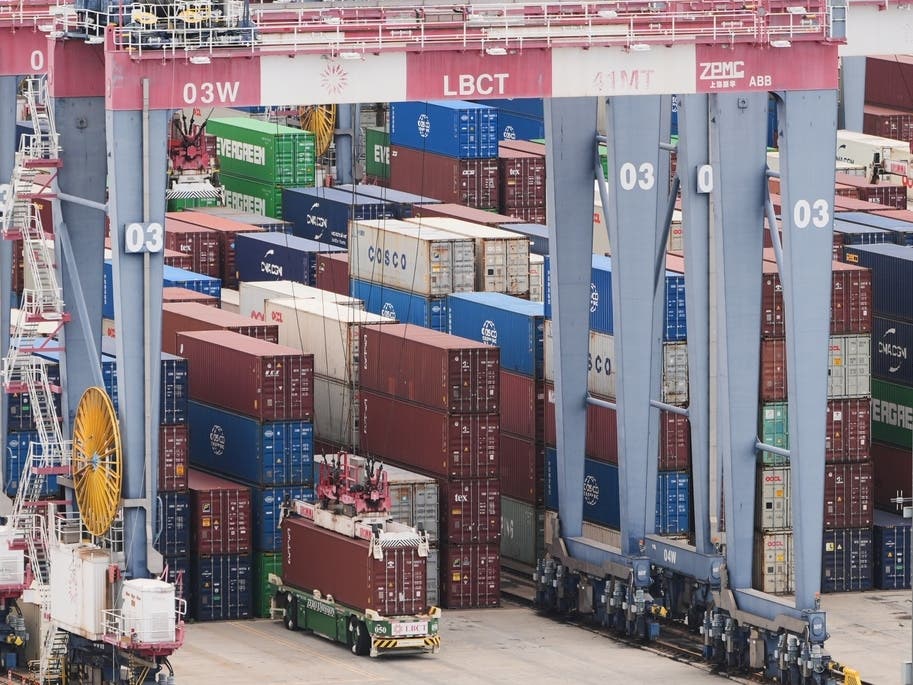
Large corporations have been able to absorb the added costs of President Donald Trump’s tariffs, but the billions of dollars in added import duties have brutalized small businesses that are now looking to recoup costs after the U.S. Supreme Court struck them down.
In a clear rebuke of Trump, the court said in a 6-3 opinion on Feb. 20 that his use of the Economic Emergency Power Act to impose the tariffs was unconstitutional. The justices didn’t offer any clear next steps on refunds of the roughly $175 billion collected so far.
Those next steps may be moot, at least for the time being.
Find out what's happening in Across Americafor free with the latest updates from Patch.
A defiant Trump quickly pivoted to a different legal basis — Section 122 of the Trade Act of 1974 — and signed an executive order to keep the tariffs in place. The new, broad global import tariff of 10 percent on virtually all goods not previously taxed began shortly after the court decision.
Trump also announced an intent to increase the tariff to 15 percent, the maximum allowed under Section 122. The tariffs are temporary and will expire after 150 days unless Congress authorizes an extension.
Find out what's happening in Across Americafor free with the latest updates from Patch.
Prioritize Small Businesses, Democrats Say
Congressional Democrats and small business advocates say Main Street businesses should be first in line for refunds. An analysis last week from the Federal Reserve Bank of New York found that almost 90 percent of the “economic burden” of tariffs fell on consumers and businesses.
Nationally, 36.2 million, or 99.9 percent of all businesses, are classified as small businesses. Nearly half (45.9 percent) of the U.S. population, or 62.3 million people, are employed by small businesses, according to the U.S. Small Business Administration.
Democratic Sens. Ron Wyden of Oregon, Ed Markey of Massachusetts, and Jeanne Shaheen of New Hampshire unveiled a bill Monday requiring Customs and Border Patrol to issue refunds over the course of 180 days and pay interest on the refunded amount.
“Trump’s illegal tax scheme has already done lasting damage to American families, small businesses, and manufacturers who have been hammered by wave after wave of new Trump tariffs,” said Wyden, stressing that the “crucial first step” to fixing the problem begins with “putting money back in the pockets of small businesses and manufacturers as soon as possible.”
The measure prioritizes tariff refunds for small businesses and urges larger companies to pass savings to customers. Though unlikely to become law, the bill shows how Democrats are pressuring the Trump administration, which has resisted returning tariff revenues.
97% Of Importers Are Small Businesses
About 97 percent of U.S. importers are small businesses, according to a report from the U.S. Chamber of Commerce that underscores the ways they are disproportionately affected by tariffs.
These businesses typically operate with tight profit margins and limited financial flexibility, but tariffs have more than tripled for some of them.
Even small tariff increases can force them to either raise prices on consumers, absorb the additional costs and reduce their profits, or even cut back on inventory or operations.
On average, small business importers paid about $25,000 more per month in tariffs from April through September 2025, compared with the same period in 2024, according to an analysis by the Center for American Progress, a left-leaning Washington, D.C., think tank. Those with fewer than 50 employees paid over $86,000 on average during the period.
‘This Was A Raw Deal’
Small businesses were handed a series of difficult choices, said Richard Trent, executive director of Main Street Alliance, a network of 30,000 small business owners.
Their message is clear, Trent said in a statement: “This was a raw deal.”
“They were forced to absorb higher costs or pass them on to customers. That is not economic strength. That is a squeeze on Main Street,” he said.
According to the group’s survey of small businesses:
- 81.5 percent raised prices to offset tariff costs;
- 31.5 percent expected to lay off personnel
- 41.7 percent delayed expansion plans
- Only 14 percent said they could realistically shift production to the United States
Main Street Alliance is working with lawmakers on reimbursement mechanisms, building on bipartisan proposals previously introduced to refund small businesses harmed by tariff overreach.
“Every penny taken from small businesses under this framework should be returned,” Trent said, adding that refunds would restore working capital, stabilize hiring and investment, and help ease the inflationary pressure tariffs helped entrench.
Many businesses faced tariff rates exceeding 100 percent, with no phase-in period and constant revisions. In some cases, rates moved from 104 percent to 125 percent to 145 percent within days, creating planning paralysis for manufacturers, retailers, restaurants, and service businesses, Trent said.
“Our members were not just facing higher costs. They were facing chaos,” Trent said. “You cannot build a factory in two weeks. You cannot grow coffee in Minnesota. And you cannot plan payroll when tariff rates change overnight.”
Large Corporations File Lawsuits
More than 1,000 companies have filed suit in the U.S. Court of International Trade in efforts to recoup costs from the illegal tariffs, including large U.S. corporations like Costco and Revlon. Most of the lawsuits were already in process ahead of the Supreme Court decision.
Small businesses and consumers are at a disadvantage when trying to recoup money already paid because there’s no “legal mechanism” available to them, Massachusetts Democratic Sen. Elizabeth Warren said in a statement.
“Instead, giant corporations with their armies of lawyers and lobbyists can sue for tariff refunds, then just pocket the money for themselves,” she said. “It’s one more example of how the game is rigged.”
In his dissent of the Supreme Court’s ruling, Justice Brett Kavanaugh said that refunds would have “significant consequences for the U.S. Treasury.”
In January, Treasury Secretary Scott Bessent was confident that refunding the money “won’t be a problem,” although he suggested it could be a “corporate boondoggle” when it comes to companies like Costco sharing the money with their customers, Reuters reported.
FedEx, which filed a lawsuit Thursday, said that if refunds are issued, they’ll be distributed to shippers and consumers who originally bore the charges.
“When that will happen and the exact process for requesting and issuing refunds will depend in part on future guidance from the government and the court,” FedEx said in a statement.
It could take several weeks to more than a year to refund already paid tariffs, Bessent told Reuters.
Damage Has Already Been Done
Even getting the money back in the ledgers won’t undo the damage from the tariffs, some small business owners have said.
Tariffs can force small businesses to close or reduce staff, creating ripple effects throughout a community, including fewer job opportunities and losses to the local tax base. In fact, small businesses laid off 120,000 workers in November, the highest monthly total in five years.
Tariffs also drove a 12 percent increase in retail shutterings to more than 8,200 stores in 2025, one of the highest years on record for store closings, according to retail industry analytics firm Coresight Research.
“When I say the damage cannot be refunded, I mean that our market has taken significant losses due to our customers’ job loss and inflation, and these issues would not be cured by a tariff refund,” Tom Wetzel, owner of Red Raven Games, a board game publishing company based in Utah, told NBC News.
According to the Center for American Progress analysis, 74 percent of small business owners worry about surviving the next year due to the tariffs. They’re making difficult choices such as raising prices and delaying growth, which they say threatens their long-term viability.
“I had to raise my prices, but I just feel like with me raising them, it made customers not want to shop with me because my target demographic is Black audiences, Black women, who are being affected by layoffs, so that could contribute to it as well,” 32-year-old Domonique Brown, who owns home decor, apparel and accessory brand Domoink in Pomona, California, told NBC.
Jennifer Bergman, who owned West Side Kids, a toy store in New York City started by her mother, for 44 years, told NPR the tariffs were “the last straw.”
“Well, you know, tariffs are a tax,” she said. In response, vendors stopped shipping some of the best-selling toys. Bergman said had to raise prices at a time when customers were tightening their belts.
“And it just reduced our sales,” she said.
Also On Patch
Get more local news delivered straight to your inbox. Sign up for free Patch newsletters and alerts.