Seasonal & Holidays
Ramadan 2018: Five Things To Know About Islam's Sacred Month
This week marks the beginning of Ramadan, which begins on different days every year. Here's what you should know about Islam's holy month.


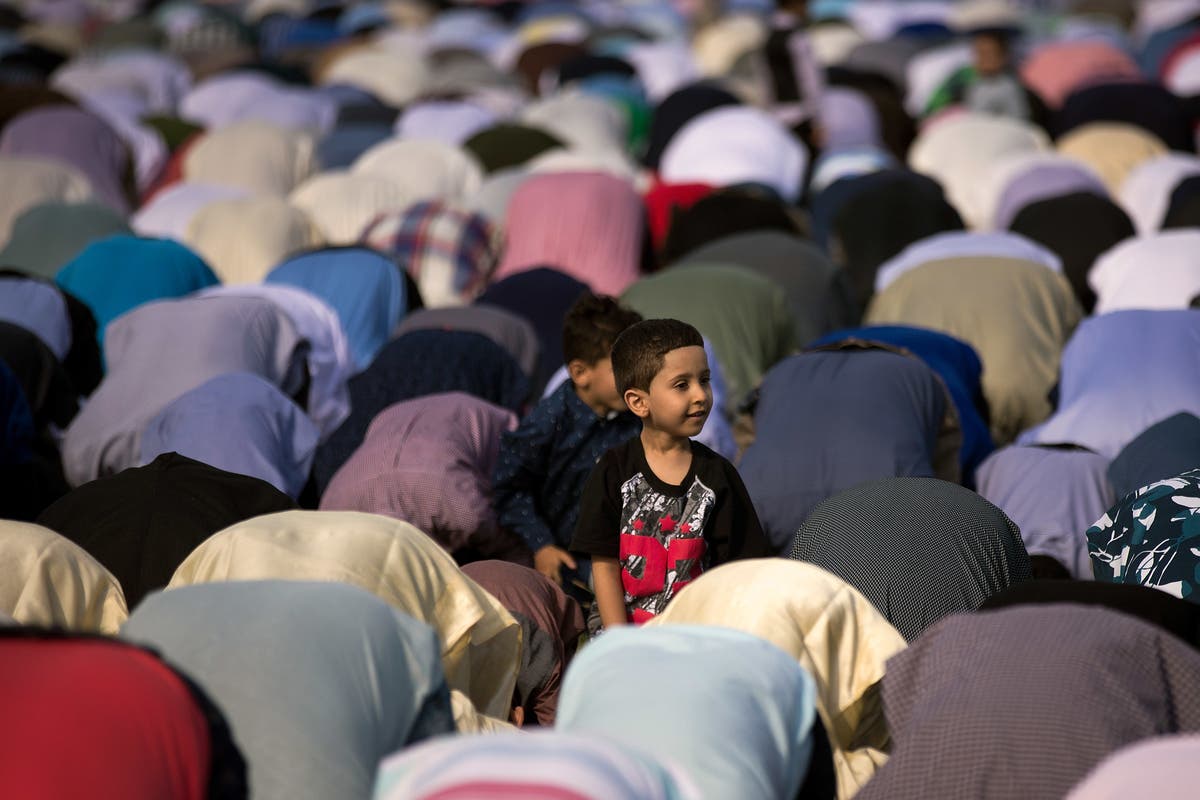
NEW YORK, NY — Millions of Muslims worldwide will begin fasting from dawn until dusk this week for the holy month of Ramadan, the ninth month in the Islamic calendar. Ramadan, which lasts between 29 and 30 days, is a time for Muslims to pray and grow closer to God.
The sacred month will begin on Tuesday or Wednesday this year, depending on the country, and will run until sometime between June 14 and June 16. Muslims say the first verses of the Quran were revealed to the Prophet Muhammad during the month.
Here are five things to know about the holiday:
Find out what's happening in Across Americafor free with the latest updates from Patch.
1. Different countries recognize the start of Ramadan on different days. While some Muslims could begin fasting Tuesday, other countries will begin Wednesday. This variation is due to a moon-sighting methodology. In the United Arab Emirates, for example, a panel is preparing to observe the moon. If they see a crescent moon Tuesday night, Ramadan will begin Wednesday. According to Time Out Dubai, the work day for the country will be two hours shorter during Ramadan. Schools will generally be shortened to five hours.
2. Muslims fast to become closer to God and remind themselves that many people out there are suffering. Fasting during Ramadan is one of the five pillars of Islam. Muslims are not allowed to eat or drink anything during fasting hours — not even a sip of water. The practice is meant to help people physically and spiritually purify themselves. Muslims are allowed to eat certain foods before dawn, such as fava beans, dates, potatoes and yogurt, in order to get through the day. They're also allowed to eat and drink after sunset prayer as part of iftar, a feast had with friends and relatives. Last year, fasting hours ranged from 10 to 21 hours. Some people are exempt from fasting, including pregnant, breastfeeding and menstruating women, as well as kids, elderly people and those who are very sick.
Find out what's happening in Across Americafor free with the latest updates from Patch.
3. Muslims aren't supposed to have sex, smoke, curse, argue or gossip. Muslims aren't supposed to do anything sinful during the month.
4. In some countries, those who don't fast for Ramadan could be jailed. It's a crime in some countries — including Saudi Arabia and the UAE — not to fast. Violators, including non-Muslims, could be fined and even jailed if they eat in public during the day. Failure to fast is seen as a sin worse than adultery. In many predominantly Muslim countries, karaoke bars and nightclubs close their doors for the entire month and restaurants draw their curtains to hide customers who eat during the day.
5. Muslims celebrate the Eid al-Fitr — a three-day long holiday — to mark the end of Ramadan. Eid al-Fitr translates to "festival of breaking the fast" in Arabic. Kids are often given new clothes, presents and money. Muslims attend early morning prayers the day after Ramadan and families can often be seen outside picnicking.
Photo credit: Drew Angerer/Getty Images
Get more local news delivered straight to your inbox. Sign up for free Patch newsletters and alerts.