Politics & Government
Elephant And Lion Trophy Import Ban Lifted: 5 Things To Know
The Trump administration lifted a ban on big-game trophies — including elephant tusks and lion hides — from some African countries.


WASHINGTON, DC — The Trump administration has quietly opened a path for big-game hunters to import trophies — including elephant tusks and lion hides — from some African nations. The U.S. Fish and Wildlife Service overturned an Obama-era ban on some trophies in an unpublicized memo that seems to contradict President Trump’s earlier public statements opposing trophy hunting.
It’s unclear what, if any, role Trump played in the decision. Both of his adult sons are trophy hunters, and a photo widely circulated in 2012 showed Donald Trump Jr. holding a knife and the bloody severed tail of an elephant that was reportedly killed in Zimbabwe.
Trump has publicly recoiled from the sport, calling it a “horror show,” and White House Press Secretary Sarah Huckabee Sanders said his position remained unchanged. The Fish and Wildlife Service’s reversal “is a response to a court decision impacting how trophy import applications are reviewed,” she said.
Find out what's happening in White Housefor free with the latest updates from Patch.
She was referring to a federal court ruling late last year that said Obama-era bans on the importation of some animal body parts did not follow regulatory procedures, including allowing public comment.
The FSW announced the new policy in a March 1 memo. The Center for Biodiversity’s international legal director, Tanya Sanerib, told The Associated Press the Trump administration is “trying to keep these crucial trophy import decisions behind closed doors, and that’s totally unacceptable.”
Find out what's happening in White Housefor free with the latest updates from Patch.
“Elephants aren’t meant to be trophies,” she said. “They’re meant to run free.”
Here are five things to know:
1. The new policy changes a long-standing practice deciding who gets trophy permits. In the past, the Fish and Wildlife Service evaluated trophy import permits on a nation-by-nation basis, but the new policy allows for a case-by-case review, though the agency did not say how how those permits would be judged.
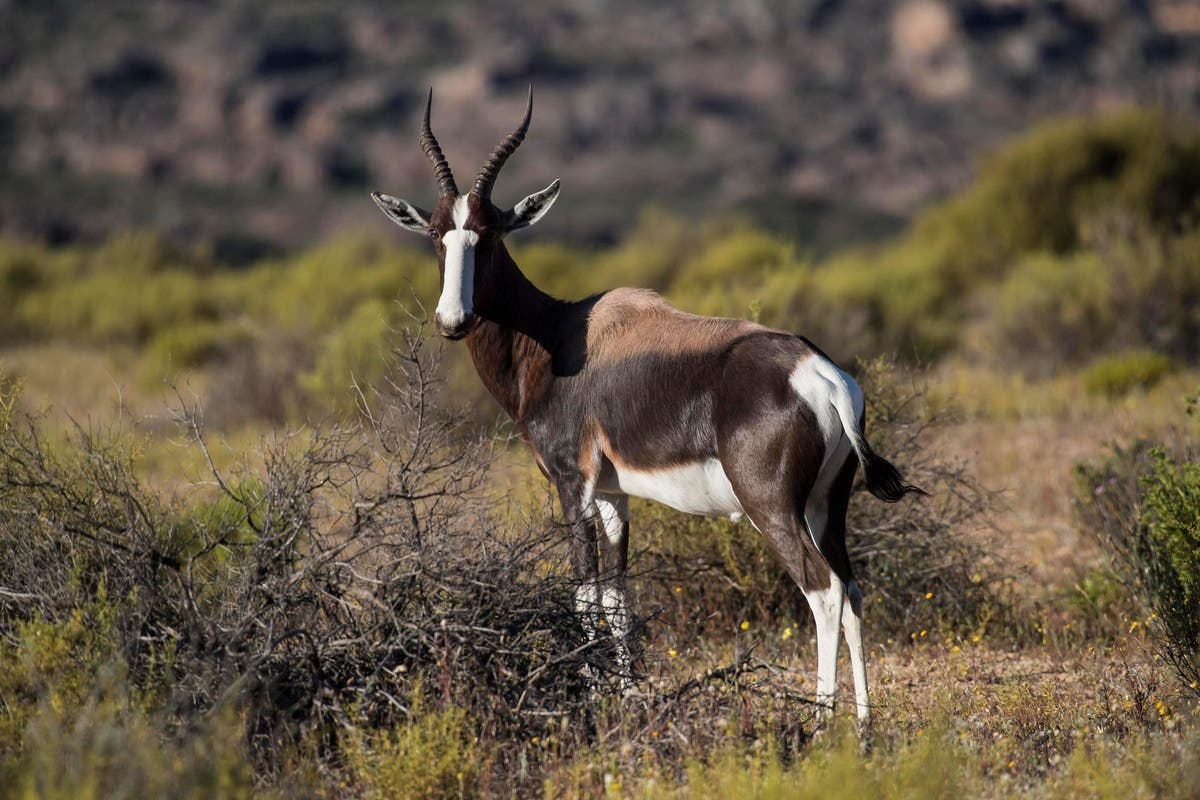
2. The court ruling addressed elephant trophy hunting in Zimbabwe, but the Fish and Wildlife Service took a broader approach. The agency will now make evaluations on elephant, lion and bontebok antelope trophies from Zimbabwe, Zambia, Tanzania, South Africa, Botswana and Namibia
3. Trophy hunting advocates say it enhances elephant conservation. The National Rifle Association and the Safari Club International Foundation, which prevailed in a federal lawsuit challenging the implementation of a 2014 ban on the import of legally-hunted trophies of African elephants hunted in Zimbabwe, have argued that elephant hunting is good for conservation.
Interior Secretary Ryan Zinke, a lifelong hunter has echoed the argument, reasoning that “trophy fees” — around $14,500 for one elephant in Zimbabwe — fund conservation measures. Safari trips can cost upward of $100,000.
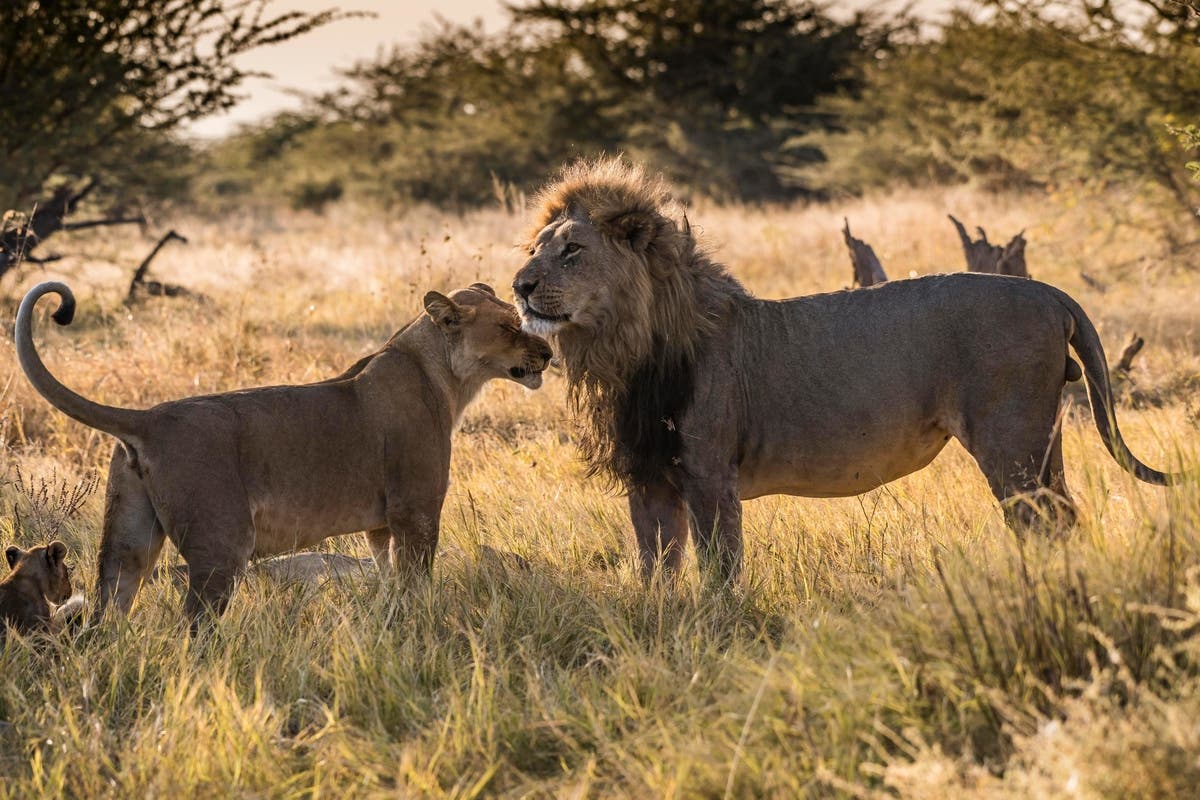
4. Skeptics say that’s a flimsy excuse to justify killing elephants and lions. In October, National Geographic investigated the claim, finding that from 1993-2014, Tanzania, which has a trophy hunting program, lost two-thirds of its lions. The magazine said that “what happens to hunters’ fees … is notoriously hard to pin down — and impossible in kleptocracies,” that is corrupt governments.
“A lot of the money has been siphoned away by corruption,” National Geographic wildlife reporter Rachel Bale told NPR in November, “so there are serious concerns with hunting management in Zimbabwe.”
5. Elephants are quickly disappearing. A century ago, about 5 million African elephants roamed the continent, but the number of savanna elephants plummeted 30 percent to just seven years, down to 352,271 elephants in 18 countries, according to the most recent Great Elephant Census report based on aerial sightings. That report said elephant populations shrink about 8 percent a year, most often from poaching.
In Zimbabwe, about 82,000 elephants remain. Their populations have decreased 10 percent since 2005,
The elephants sighted represent at least 93 percent of the savanna elephants in those countries, 84 percent of which roam legally protected areas. Still, the report said, “high numbers of elephant carcasses were discovered in many protected areas, indicating that elephants are struggling both inside and outside parks.”
In 15 of those countries, 144,000 elephants were lost to ivory poaching and habitat destruction in less than a decade.
Main photo: Martina Katz/imageBROKER/REX/Shutterstock
Get more local news delivered straight to your inbox. Sign up for free Patch newsletters and alerts.