Health & Fitness
Loss, Coping And Helpers: COVID-19 In Virginia A Year Later
Sunday marked the one-year anniversary of the first coronavirus case in Virginia. Here's a look at the lives lost and how we got through it.


VIRGINIA — As the coronavirus slowly spread from state to state last winter, it was inevitable the virus would eventually reach Virginia. Its arrival a year ago brought residents months of heartbreaking loss, anxiety, unemployment and, in some cases, innovative achievements.
The first coronavirus case in Virginia was confirmed March 7, 2020, a date that changed life dramatically for everyone in the state. For many, it's hard to recall a life without face masks, social distancing and the fear of contracting this life-threatening virus.
A U.S. Marine at Fort Belvoir, who had returned from overseas travel, had tested positive for the coronavirus, Virginia health officials confirmed March 7, 2020. In a statement issued at the time, the Virginia Department of Health cautioned that “evidence has not been seen of COVID-19 spreading in Virginia and said the risk is low.”
Find out what's happening in Arlingtonfor free with the latest updates from Patch.
Unfortunately, that assessment by state health officials would quickly prove completely off-the-mark.
The next day, March 8, 2020, city of Fairfax officials confirmed a second presumptive positive case of the coronavirus — a person in their 80s who had traveled on a Nile River cruise in Egypt that resulted in several Americans bringing the virus back to the United States.
Find out what's happening in Arlingtonfor free with the latest updates from Patch.
As Virginia health officials were reporting their first few cases, the World Health Organization on March 11, 2020, declared the coronavirus outbreak a global pandemic. The world was on notice the virus was here to stay until a vaccine could be tested and approved.
Two days later, on Friday, March 13, Virginia Gov. Ralph Northam ordered all kindergarten through 12th-grade schools to close for at least two weeks to prevent the spread of the virus. Many students would not return to the classroom until the fall, while other school districts in the state took a more cautious route and maintained remote instruction into 2021.
On March 14, the Virginia Department of Health reported the state’s first COVID-19-related death — a man in his 70s who lived in James City County.
Pandemic Shortages, Adjustments
As the coronavirus spread, the public began panic buying. Toilet paper, disinfectant wipes, hand sanitizer were quickly bought up. Shelves also were empty of certain types of food.
By late March, Northam issued a "stay-at-home" order as cases of the new coronavirus topped 1,000 in Virginia.
As the coronavirus spread, hospitals and medical offices started experiencing personal protective equipment shortages. Across the state, residents stepped up and started sewing masks for front-line workers and the public.
Grocery delivery services like Instacart and Peapod became extremely popular as people stayed home out of fear of going to their local supermarkets. Some people had to wait more than a week to receive their grocery orders.
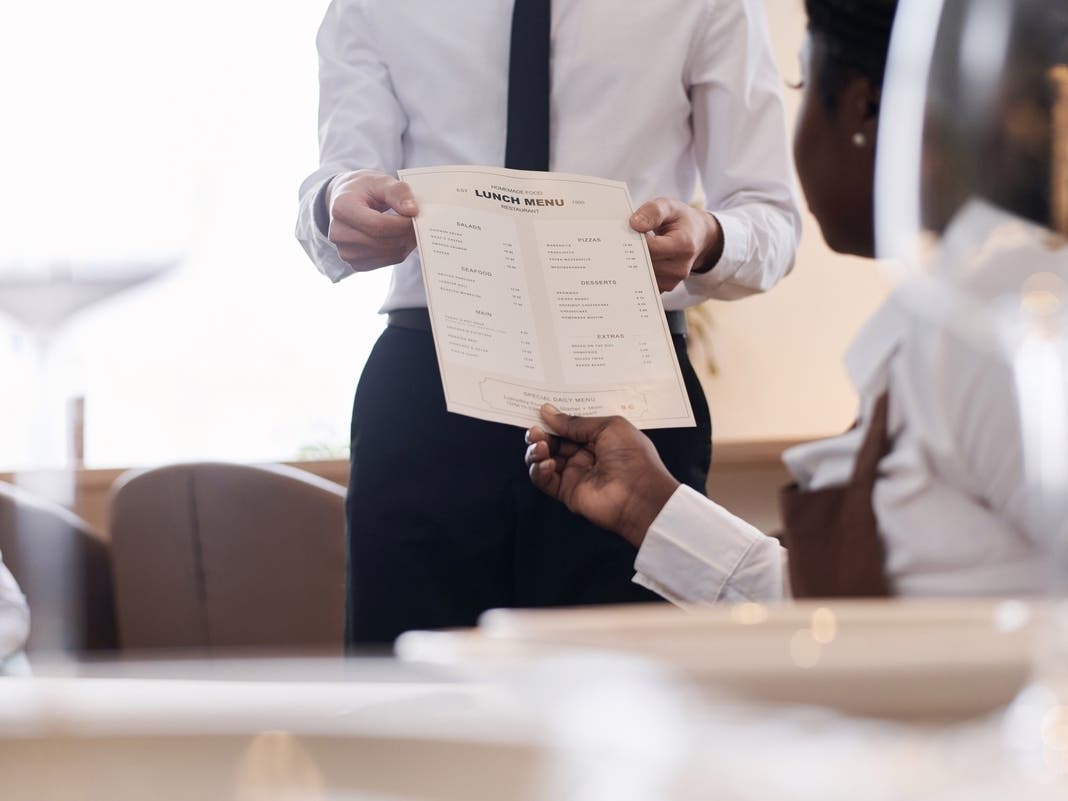
Curbside pickup of meals helped restaurants stay in business. An order by Northam in March 2020 allowed restaurants to offer beer and wine to go. By early April, the governor had issued an order allowing Virginia restaurants to offer mixed-beverages for takeout and delivery.
At the end of the 2019-2020 school year, high schools and communities started holding drive-by graduation ceremonies. A neighborhood in McLean held a drive-by parade in late May to recognize graduates who saw their senior year end early due to the pandemic.
Virginia officials also made several adjustments to help residents safely vote in elections. Northam moved general elections in towns and cities in Virginia from May 5 to May 19 over concerns related to the coronavirus.
Due to a new state law that took effect on July 1, 2020, all registered Virginia voters could participate in no-excuse absentee voting. Lawmakers also addressed absentee voting during the special session that began in August in response to COVID-19 concerns. For the November election, voters who did not wish to return their absentee ballots by mail also had the option of returning them to designated drop-off locations.
In the middle of the pandemic, thousands of Virginians also took to the streets, the vast majority wearing face-coverings, in protest of the death of George Floyd in Minneapolis. The protests for racial justice continued for several months and helped to spur legislative changes in Richmond.
COVID-19 Deaths In Virginia
Over the past year, many seniors have tried to stay at home as much as possible and only go out for grocery shopping or to get some fresh air.
A year after the first confirmed coronavirus case in Virginia, more than 585,000 Virginians have been diagnosed with COVID-19. Almost 48,000 Virginians have been hospitalized for symptoms of the virus, treated and released. And over 9,500 Virginians have died from the virus.
The coronavirus pandemic devastated nursing homes across the Virginia with thousands of cases and deaths. About 30,000 residents of long-term care facilities in Virginia have tested positive and more than 3,700 long-term care residents have died from COVID-19.
Canterbury Rehabilitation & Healthcare Center in Henrico County was one of the hardest-hit facilities in the nation. Dozens of residents died from COVID-19 during the first couple months of the pandemic. By early May 2020, Canterbury reported the facility's 50th coronavirus-related death.
Other senior living facilities in Virginia miraculously made it through 2020 without a single resident testing positive for the coronavirus. The Spring Arbor senior living facility in Leesburg was able to start vaccinating its residents in January without any of its 80 residents testing positive for the coronavirus or dying from COVID-19 over the previous 10 months.
Bringing Out The Best In People
Virginians have demonstrated a willingness to help their neighbors in need in the time of crisis. These examples of giving back to the community have outnumbered the times when residents in the region refused to wear masks inside stores or restaurants.
Nearly a year ago, a second-grade boy from Ashburn attracted the attention of former President Barack Obama for coming up with ideas to help front-line health care workers who were risking their lives by taking care of a growing number of patients sick with COVID-19.
So many Americans right now are stepping up to help their communities. Zohaib Begg, a 7-year-old from VA, is one of them. This inspiring kid has been gathering supplies from hotels to donate to the medical professionals at his local hospital. https://t.co/K8Pvp9Cyaq
— Barack Obama (@BarackObama) March 30, 2020
This boy, 8-year-old Zohaib Begg, went to local hotels in the Ashburn area with his mother to see if they had any shower caps to donate to hospitals. Not only did the hotels have shower caps that doctors, nurses and technicians could use as hair covers, they had stocks of gloves and face masks the hotels were happy to give to Zohaib.
By late March, Zohaib had gathered 6,000 items of shower caps, gloves and masks that he donated to Inova Fairfax Hospital, where he had emergency surgery when he was 4 years old to remove a tumor from his abdomen.
Six months later, Zohaib was still doing his part to help front-line workers. For his 8th birthday last November, Zohaib decided to gather items from local businesses for the 2020 Inova Honors Gala, which will recognize thousands of frontline workers in the region.
Another Ashburn resident, Vince Carbone, owner of a Subway restaurant in Ashburn, switched to helping nurses and first responders when the coronavirus crisis hit in March. Carbone set up a Facebook group called "NorthernVA Adopt a Nurse or Doctor" to feed workers at hospitals, nursing homes and other health care facilities. He then expanded the program to include first responders, grocery store employees and other front-line workers.
A Year Later
As the light at the end of the tunnel grows slightly brighter with the arrival of large supplies of COVID-19 vaccines, many Virginians are now able to catch their breath and take time to look back on the past year.
“One year after the first COVID-19 case was identified in the Commonwealth of Virginia, we are still recovering from the worst pandemic of our lifetimes,” former Virginia Gov. Terry McAuliffe, who is running for a second term this year, said Sunday in a statement.
“Let's be clear: there is a long road ahead,” McAuliffe said. “We must continue to stay safe and vigilant in the weeks and months ahead, and we must continue to rebuild in both the short and long-term with a focus on equity and ensuring that all Virginians benefit from our recovery.”
Jodi Mitchell of Fredericksburg found working from home tedious and hard at first. But it has since “turned into the best thing,” she wrote in a Facebook comment.
One reader is concerned that young people will not recover from going to school remotely. "So many kids we know went from good student to failing,” Dawn Painter Roop of Manassas wrote.
Another reader, Jean Parrish Ritter, said tone of the worst parts of the pandemic has been “how everyone has turned on each other.”
“These masks and the way people are judging each other is ridiculous,” she commented on Facebook. “Why can't they just worry about whether they're wearing one and leave the other people who do not believe in them alone.”
In Arlington County, COVID-19 cases, hospitalizations and deaths have been some of the lowest in the region on a per-capita basis. County Board Chair Matt de Ferranti credited county residents for steadfastly taking measures over the past year to prevent the spread of the virus such as mask-wearing and social distancing.
The county's public health employees also have worked hard to bring down the number of cases, de Ferranti told Patch.
The first three months of 2021 are about stabilizing the health of Arlington County. In the months to follow, the county will look at recovering from the pandemic, which will be helped by funds distributed to Arlington from the $1.9 trillion American Rescue Plan Act, which passed the U.S. Senate on March 6.
With COVID-19 vaccine doses increasing in the county, De Ferranti said he senses more optimism among Arlington residents.
"It’s a long, dark tunnel," he said. "But every time someone gets a vaccine dose, that’s a ray of light. And we’re getting closer to the end of the tunnel."
Get more local news delivered straight to your inbox. Sign up for free Patch newsletters and alerts.