Politics & Government
Deer Collisions Spike in Fall; How to Avoid a Crash in Fairfax County
Police say most accidents occur between dusk and dawn, and urge drivers to watch for deer where roads pass through wooded or rural areas.


FAIRFAX COUNTY, VA — We're just two days into September but Fairfax County Police already are urging motorists to heighten their awareness of deer during the fall breeding season.
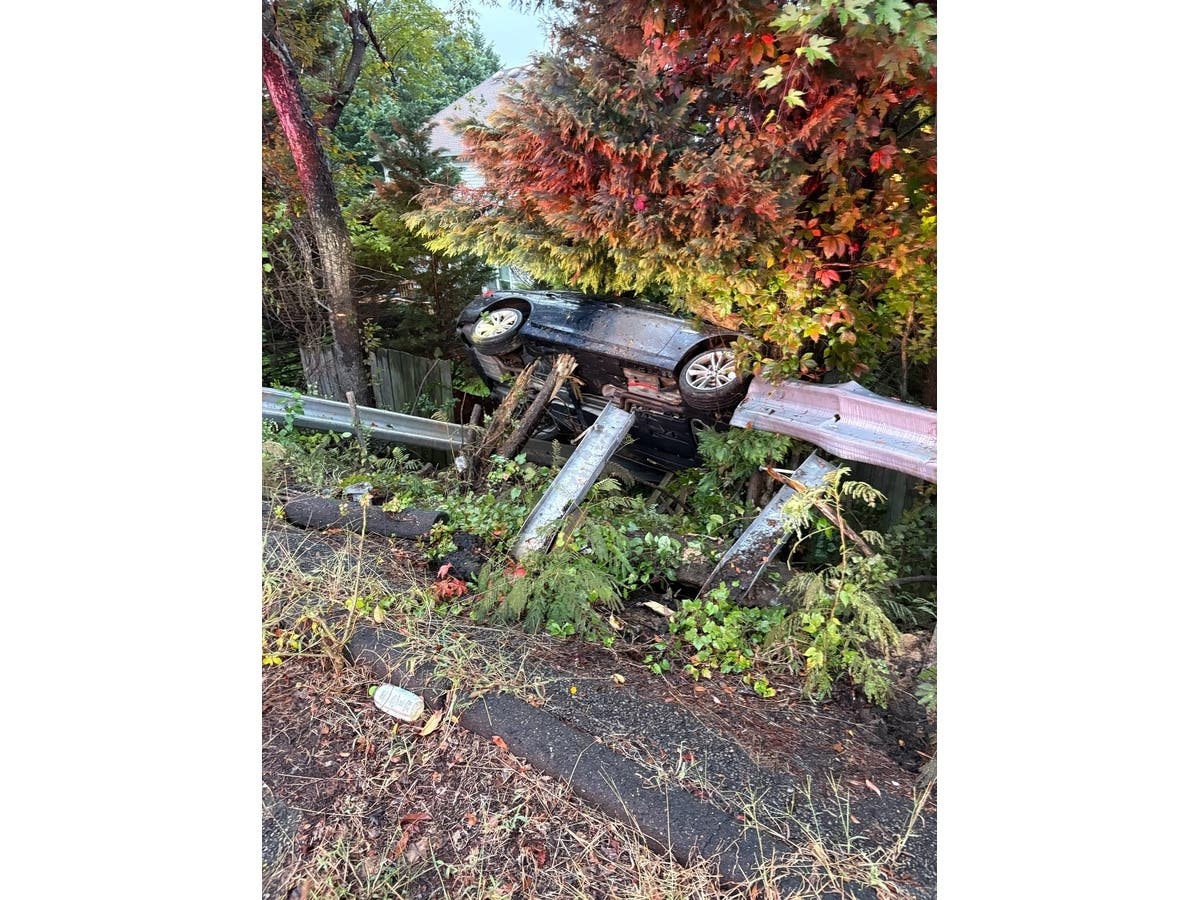
Although no statistics are available regarding the combined property damage and personal injury loss resulting from deer-vehicle collisions in Fairfax County, police say property damage alone is enough for motorists to take note.
Police say most accidents occur between dusk and dawn, and urge drivers to watch for deer where roads pass through wooded or rural areas.
Find out what's happening in Burkefor free with the latest updates from Patch.
They add the most important thing drivers can do to reduce the chances of an accident is to obey the speed limit. Other tips, provided by police:
— Deer usually travel in groups and generally maintain a home range of about one square mile. If
you see a deer cross the road, slow down and use caution. Often additional deer are out of view
and more are likely to follow.
Find out what's happening in Burkefor free with the latest updates from Patch.
— A deer standing calmly in a field may suddenly jump into the road. Anticipate the potential for this
rapid change in posture.
— Elevate your deer awareness at locations with deer crossing signs. Deer crossing signs indicate
areas where heavily used deer trails cross roadways. Slow down and watch for the eye-shine of
deer near the roadway edges.
— Be especially aware during the morning and afternoon. Deer tend to be more active during the
early morning hours and late afternoon hours year round. They are moving between evening
feeding areas and daytime bedding sites.
— Be especially cautious during seasons of high deer which are October to January during the
breeding season, and May and June when yearlings are seeking new territories. In Spring, deer
move as snow disappears and tend to gravitate near roadway shoulders for the first greening
grass and remaining roadway salt.
— Slow down to avoid hitting a deer, but do not swerve. This can cause you to lose control and strike
another vehicle or to leave the highway and strike a tree or other object. Injuries to drivers and
passengers increase when the vehicle swerves.
Also, State Farm Insurance gives six steps to take if you do end up hitting a deer:
1. Move your vehicle to a safe place: Get it off the road, if possible, and turn on your hazard lights.
2. Call the police: They can make sure traffic gets stopped, if needed, and take down information for your insurance claim.
3. Document the incident: Take photos of everything — the deer, your car, any injuries to you or your passengers. You should also get contact information from any witnesses who saw the crash.
4. Don’t touch the animal: It could be carrying disease, or if it’s still alive, it could get scared and hurt you.
5. Contact your insurance agent: Get the claims process going ASAP.
6. Don’t assume your vehicle is safe to drive: Check it for fluid leaks, tire damage, broken lights or anything else that may have gone wrong during the crash. If you have any doubts, call a tow truck.
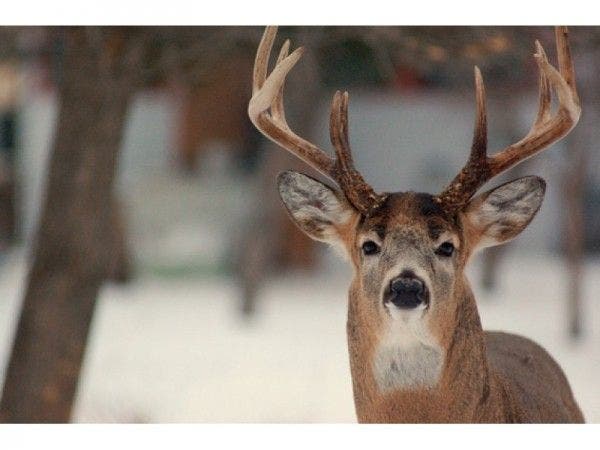
Photo: Jeremiah John McBride/Flickr/Creative
Get more local news delivered straight to your inbox. Sign up for free Patch newsletters and alerts.