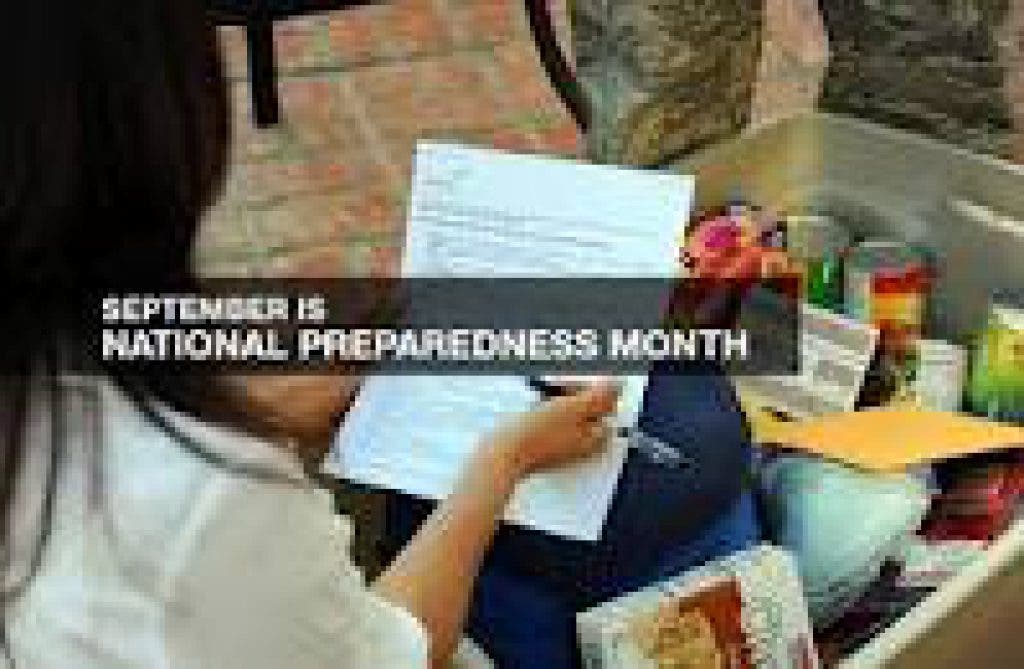
That’s right. We have a whole month dedicated into preparing us to be….well prepared. This will be the ninth annual National Preparedness Month that we are observing, which is sponsored by the Federal Emergency Management Agency in the US Department of Homeland Security, or in other words, FEMA.
With the recent weather incidents like storms and hurricanes, there's been more reason to make sure we really are all ready and organized. So:
- Build an Emergency Kit
When a disaster hits you're not going to get time to grab everything you need, hence the Emergency Kit. Remember, you're stocking up for 72 hours at least. FEMA has put together a Basic Disaster Supply Kit list which you can also find here.
Find out what's happening in Centrevillefor free with the latest updates from Patch.
A basic emergency supply kit could include the following recommended items:
- Water, one gallon of water per person per day for at least three days, for drinking and sanitation
- Food, at least a three-day supply of non-perishable food
- Battery-powered or hand crank radio and a NOAA Weather Radio with tone alert and extra batteries for both
- Flashlight and extra batteries
- First aid kit
- Whistle to signal for help
- Dust mask to help filter contaminated air and plastic sheeting and duct tape to shelter-in-place
- Moist towelettes, garbage bags and plastic ties for personal sanitation
- Wrench or pliers to turn off utilities
- Manual can opener for food
- Local maps
- Cell phone with chargers, inverter or solar charger
(Taken from www.ready.gov/basic-disaster-supplies-kit)
Find out what's happening in Centrevillefor free with the latest updates from Patch.
2. Notifications of disaters
Be sure to make a note of how your local government emergency management will be notifying you of each kind of disaster, chances are not every community will be have the same notification criteria during a disaster.
3. Family members
Make sure other members of your household are aware of everything they need to know, like where the Emergency Kit is, evacuation procedures, how they will be notified of disasters, etc. You want to ensure the safety of your family.
Of course these are just a few but important things. Tailor your arrangements to fit the specific needs of you and your family members, not forgetting pets of course - and be prepared.
You can find more information by visiting FEMA's website http://www.ready.gov/