Crime & Safety
Torrential Rains Can’t Flood Out Centreville’s Massive Treatment Plant
Pumps, retention ponds keep sewage from overflowing system.

As the torrential rains started to break up this week, Centreville/Chantilly area residents were caught on Youtube and television station video playing in the flood waters and tubing down the middle of a sodden Route 29.
Not a good idea because it’s easy to drown goofing around in a flood, county officials said. However, the one thing that the rainwater surfers didn’t face was raw sewage.
Normally with an inundating storm, like the one that soaked the area this week, the rain infiltrates the sewer lines, overwhelms the capacity of the treatment plant and floods back into the community as a stinky mixture of sewage and rain.
Find out what's happening in Centrevillefor free with the latest updates from Patch.
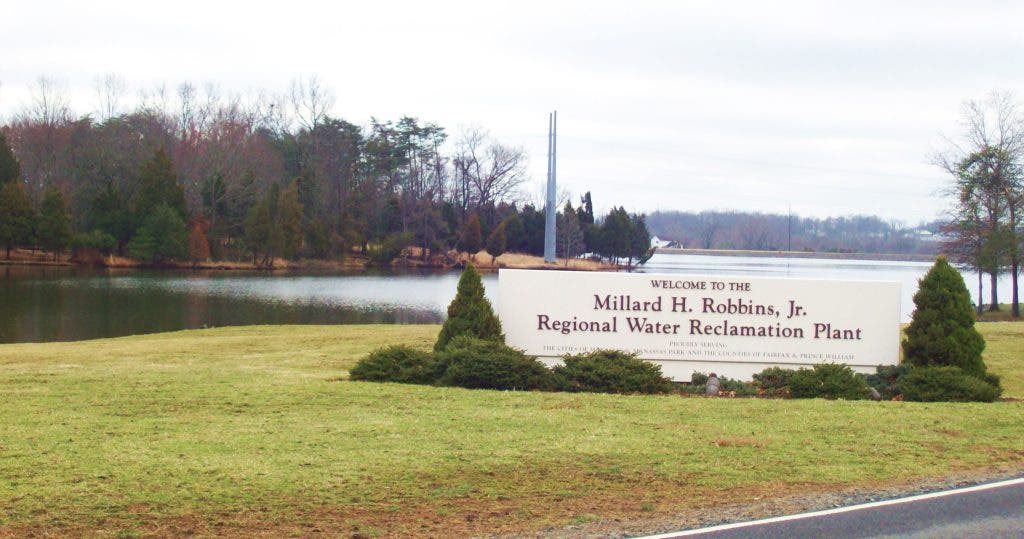
However, the silver lining to the storm was that the massive pumps at the Upper Occoquan Service Authority facility off of Compton Road were never besieged, said Mike Reach, deputy executive director at the authority. Despite the massive rains -- Centreville recorded eight inches of rain in a 48-hour period, about the same amount of rain that has fallen on Temple, Texas all this year – the authority did not report a single SSO or Sanitary Sewer Overflow, Reach said.
“It used to be pretty common to get SSOs during a heavy rain, but that’s just not acceptable anymore,” Reach said. “We had extra crews on station and everybody just worked through the night to make sure that it didn’t happen.”
Find out what's happening in Centrevillefor free with the latest updates from Patch.
It did get a tad close, he said. Normally the plant treats about 31 million gallons per day (MGPD) of effluent. On Thursday, the plant treated 48 MGPD, which is near its capacity. For about four hours Thursday night, the plant treated about 120 MGPD. Despite the rush of rainwater/effluent coming into the plant, the pumps kept running and operators shunted excess effluent into three emergency containment ponds on the property to hold the water until it can be safely treated, Reach said.
Even though the water was free from sewage, it still wasn’t safe to play in, said Daniel Schmidt of the Fairfax County Fire and Rescue Department. “That’s one of the reasons that firefighters wear boots when they go into the water. You can get hurt stepping on something.”