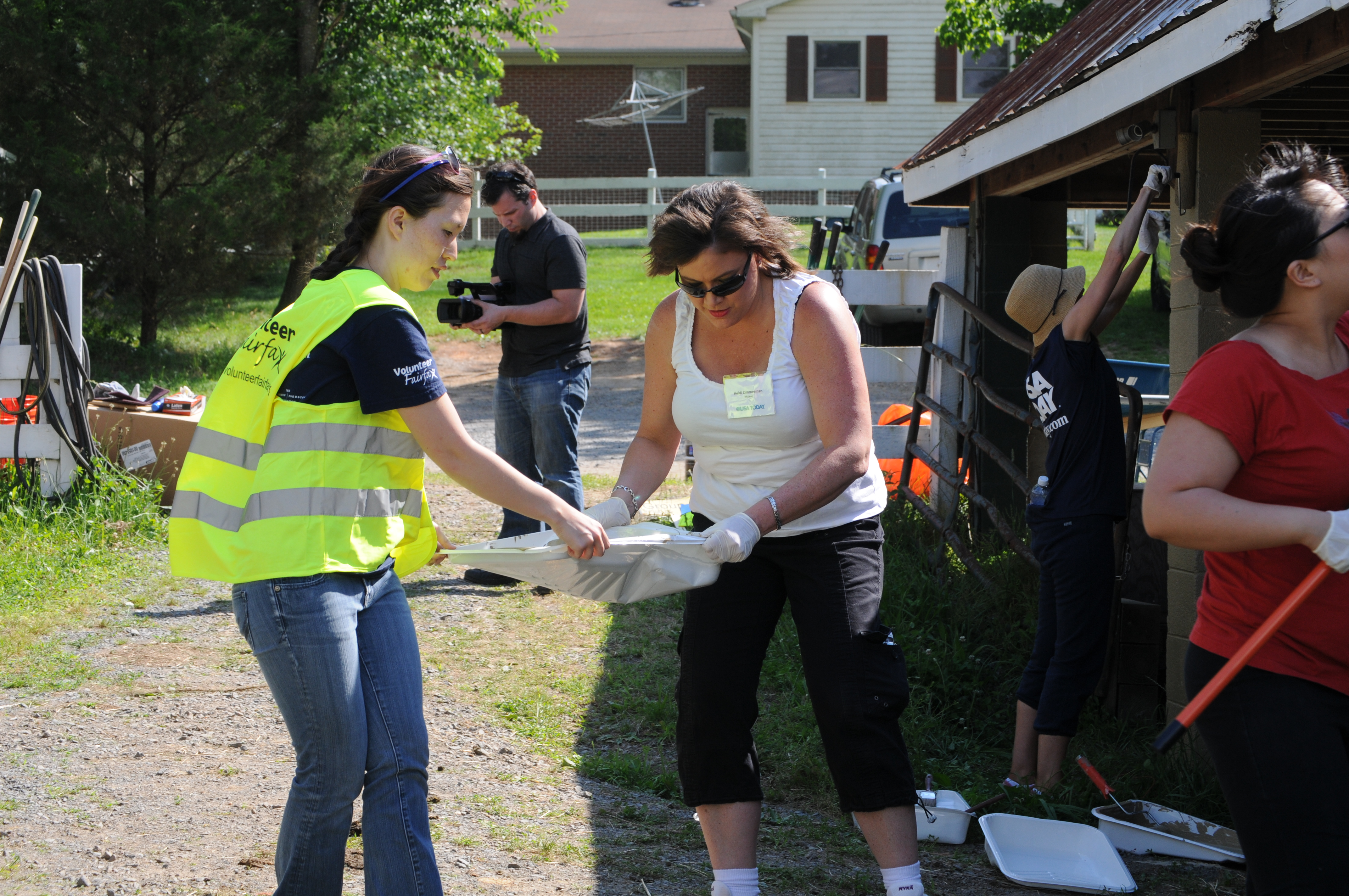
Due to the economic downturn, many nonprofit organizations have a greater reliance on volunteers. The recession has not only caused an increase in the number of individuals who volunteer but has also altered the type of work that these volunteers do. More increasingly, volunteers are performing maintenance or manual labor activities that were once reserved for staff members or paid professionals. This shift in volunteer tasks raises a huge question about risk management.
Not having effective risk management strategies in place can spell big trouble for nonprofits. Organizations that neglect their duty to protect their volunteers face potential negative publicity that not only damages their reputation but could also impede their ability to attract future volunteers and donors. Through the use of effective risk management strategies nonprofits can help protect their volunteers. Effective risk management strategies also serve as an effective volunteer recruitment tool.
In developing risk management strategies, there are some things that nonprofits must consider. The following considerations can help nonprofit organizations improve their risk management efforts and protect volunteers:
Find out what's happening in Fairfax Cityfor free with the latest updates from Patch.
- Align the right volunteers with the right job. This is one of the most critical risk management steps an organization can take. Take advantage of your volunteers’ experiences and talents safely and effectively.
- Provide safety training. Safety training is key in effective risk management. Address any potential safety concerns with prospective volunteers. Provide on-the-job guidance with an experienced colleague. Send volunteers to first-aid and CPR classes.
- Develop an incident response plan. Having an incident response plan ensures that volunteers are prepared if something goes wrong. Creating protocols for unplanned incidents can help mitigate negative effects on patrons or the organization.
This list is not all-inclusive but it is a start to get nonprofits thinking about how they can protect their volunteers. Volunteers play a huge role in the success and day-to-day operations of nonprofits. Make sure your volunteers are protected. Adequate safety training and incident planning are important tools to help nonprofits attract, protect and retain volunteers while enhancing the organization’s ability to serve its communities.