Health & Fitness
BLOG: Lost Pedestrian Opportunities
Leftover rights-of-way and unbuilt streets can be used for pocket parks and pedestrian access, but have historically been ignored.

, the city is working on plans for a park to replace the abandoned right-of-way on School Street near George Mason Boulevard. In addition to providing a pedestrian connection between School Street and University Drive, it will provide a passive amenity for the community.
Historically, we have been left with many similar parcels of land throughout the city, resulting from road realignments, planned streets that were never built, and uncoordinated developments.
Many of these parcels remain unimproved and some have even closed off in such a way that they can never be used to improve pedestrian connectivity in this way.
Find out what's happening in Fairfax Cityfor free with the latest updates from Patch.
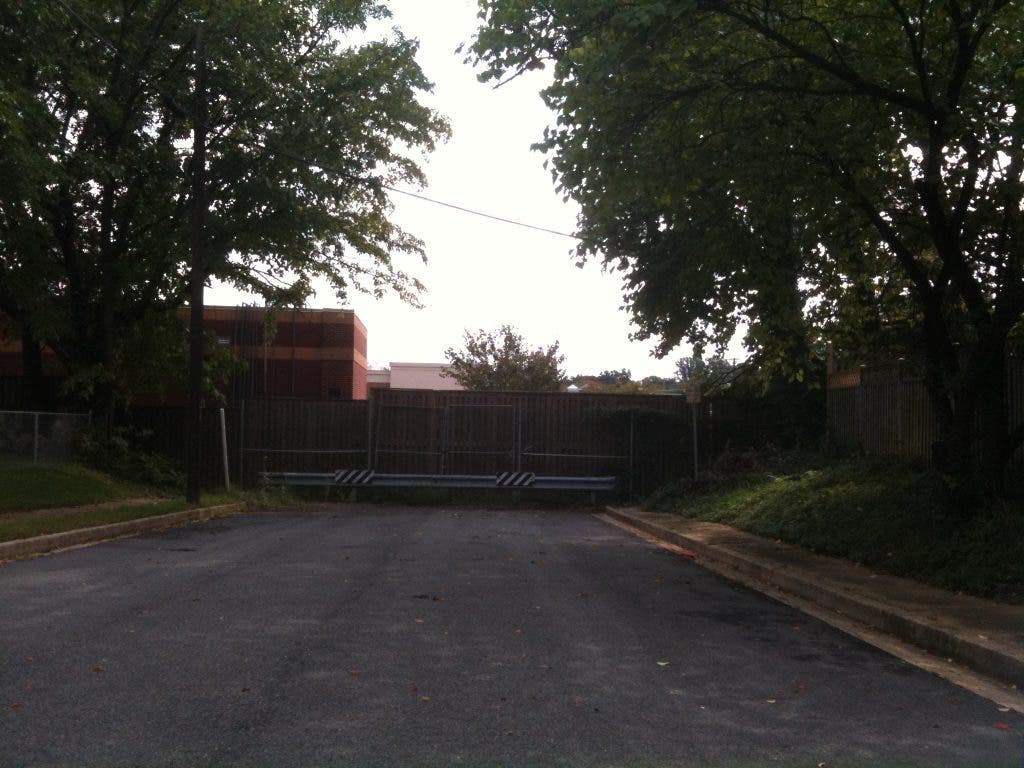
Though there are probably dozens of such examples, the two pictures above show what I consider to be two of the worst offenders.
One is the end of Maple Street in Ardmore. When Ardmore was first developed in the 1950s, Maple Street was left as a stub out, probably with the intention of eventually connecting it to Chain Bridge Road.
Find out what's happening in Fairfax Cityfor free with the latest updates from Patch.
It wasn’t until the 1990s that the Crestmont townhomes were built on the in-between parcel, and by then the desire to make that connection had likely been replaced by concern of opening a cut-through road. Despite this, Crestmont could have been laid out to respect the existing community by providing a small open space and pedestrian connection that would have given residents of Ardmore better access to downtown. Instead, one of row of townhomes was positioned with their backs facing the Maple Street stub-out and preventing a valid pedestrian connection from ever occurring, not to mention disrespecting the existing neighborhood.
The second photo is of the end of Hill Street in Fairchester Woods. Like Maple Street, Hill Street was left with a stub-out facing Lee Highway. The Frank’s Nursery building was built without completing that connection. When it was redeveloped as the Fairfax Marketplace shopping center, the Hill Street stub-out was once again ignored, probably at the request of the neighborhood out of concern for encouraging cut-through traffic. Currently, an 8-foot tall fence lines the back of the shopping center property, cutting off the Hill Street stub-out.
Had this been left as pedestrian access, Fairchester Woods would have much easier access to the shopping center was well as other retail along Fairfax Boulevard. Instead, nearby homes have to deal with the noise and light pollution of the commercial area, but don’t get to enjoy the convenience.
I’m glad to see the city is interested in creating a stronger pedestrian network through the properties on George Mason Boulevard. I hope we will not make the same mistakes that we have in the past when it comes to private development by allowing these stub streets to be closed off.
According to the 2004 comprehensive plan, one of the open space goals is to “convert excess rights-of-way and other city owned property into open space." Ideally, they would be improved as pedestrian pathways, providing links between neighborhoods or connecting residential areas to commercial areas, without the concern of allowing for cut-through traffic. At a minimum, we should prevent future developments from turning their backs to these spaces or hampering their potential use as a pedestrian connection.