Health & Fitness
BLOG: City Comprehensive Plan Update Finally Coming??
A summary of the "10 Priorities" of the city's upcoming Comprehensive Plan Update as presented by Planning Division Chief Jack Blevins to the Planning Commission in April.
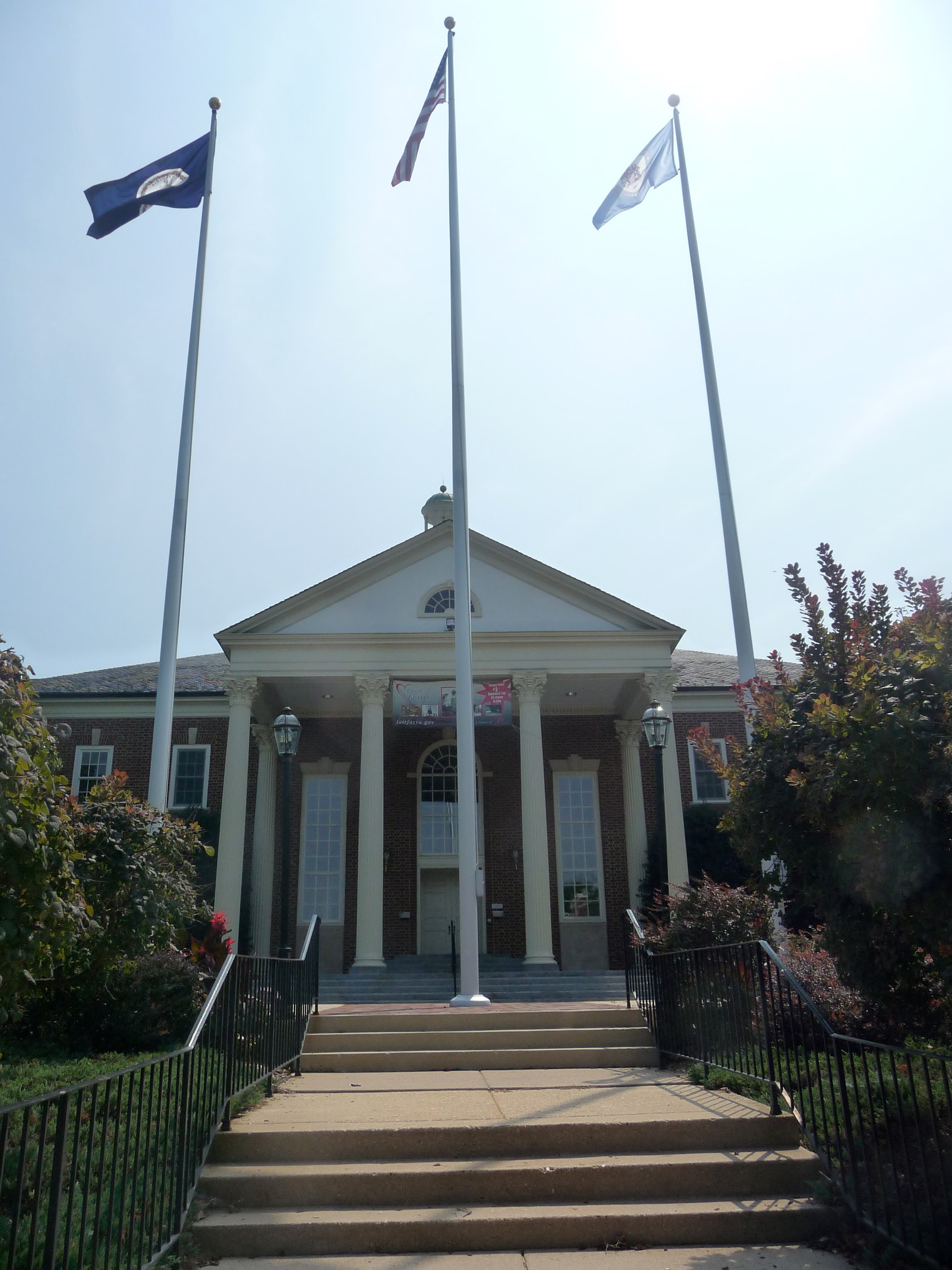
On April 11, Planning Division Chief Jack Blevins gave the Planning Commission a report on the status of the city Master Plan Update. This really should have been completed by 2009 but it has been delayed by a late recommendations for a major overhaul by the Planning Commission, followed by staff shortages and an unusually high number of public hearings. So dusting off their knees, the Planning Division is ready to move forward with a focus on 10 priorities. To kick things off, here is a brief explanation of these 10 priorities...
1. Citizen input: Keep your eyes peeled for the next few months for announcements about public opinion surveys and community meetings regarding the comprehensive plan
2. Nearby development in the county: Two potential issues are market capture and traffic. The traffic issue is obvious. I got the impression that the market capture issue is refering to developments like Fairfax Corner, that might have stolen some of the thunder from the Old Town Village or any other similar development that might move forward in the city.
Find out what's happening in Fairfax Cityfor free with the latest updates from Patch.
3. Upcoming development in the city: Here they are asking whether more detailed planning is needed in parts of the city where developers have expressed interest in larger scale project, like Kamp Washington and "Northfax".
4. Mixed Use strategy: Even before the Fairfax Boulevard Master Plan charrettes, the 2004 Master Plan was the first in the city to designate "mixed use" zones but there is no clear definition of what that means. (note: a PDF map of that plan is located here)
Find out what's happening in Fairfax Cityfor free with the latest updates from Patch.
5. New multi-family units: Where in the city are they appropriate? It seems to me that this was included as a priority because there have been a number of multi-family development proposals in the past few years where there hasn't been a good consensus on their final results. Examples include the Old Town Village townhomes, which many argued should have been multi-family as originally proposed, and the Yorktown development which was barely approved for a large multi-family development (though it has since been scaled down to townhomes due to economic conditions).
6. The Fairfax Boulevard Master Plan: This is probably the issue that lead to the request for a major overhaul of the comp plan in 2008. As much effort as the city and residents put into this plan, there are still a lot of open ended questions that need to be worked out. Also, the big change will come when (or if) this plan is incorporated into the zoning code. All the comprehensive plan will do is make recommendations as to whether or not it should be incorporated into the code, and how.
7. Existing multi-family units: Most of the city's stock of apartment units is outdated so we shouldn't be surprised if property owners begin coming forward with plans to redevelop or refurbish their multi-family properties. Under this priority, the comp plan would explain what we expect from these property owners. This might include something like a provision to retain some affordable housing.
8. Environmental ideas: The specific idea Mr. Blevins presented was developing environmental standards (like LEED, but probably not LEED) for any new development projects.
9. Existing development standards: Since our development standards haven't been updated in a while, many of them are outdated, requiring developers to seek special exceptions for what should be standard projects. This priority seeks to identify these standards and make recommendations for revisions in the code to streemline the process. The most obvious example is parking. (I think this priority could warrant a separate discussion, because as Mr. Blevins noted, there are so many ifs and buts in making these determinations, so there is no concrete outcome).
10. Fiscal impacts model: For every project that requires special approvals, the planning staff conducts a fiscal impact model to determine how much of a net gain or loss the project will have on the city's annual budget. The goal of this priority is to make recommendations on any changes that should be made to that model. As several of the planning commissioners note however, this might not make sense in a comprehensive plan that is only updated every five years (or more) because economic conditions that effect the model are constantly changing.
It is no coincidence that "Citizen Input" is listed first, as Mr. Blevins noted this as a top priority. Beyond surveys and meetings, there were various discussions about forming committees and other opportunities for public involvement. This may be frustrating for anyone who was involved in the Comprehensive Plan Update before, but the changes in this update could be more significant than any of the past few updates, or any of the next few, so it could have a significant impact on the built environment in Fairfax City for decades. Watch for announcements regarding the Comprehensive Plan Update on the City web-site over the next few months, and I'll try to post anything I hear on Patch as well.