Health & Fitness
City Elections: Distinguishing Factors for the Candidates
A summary of unique ideas from each candidate that make them distinguishable.
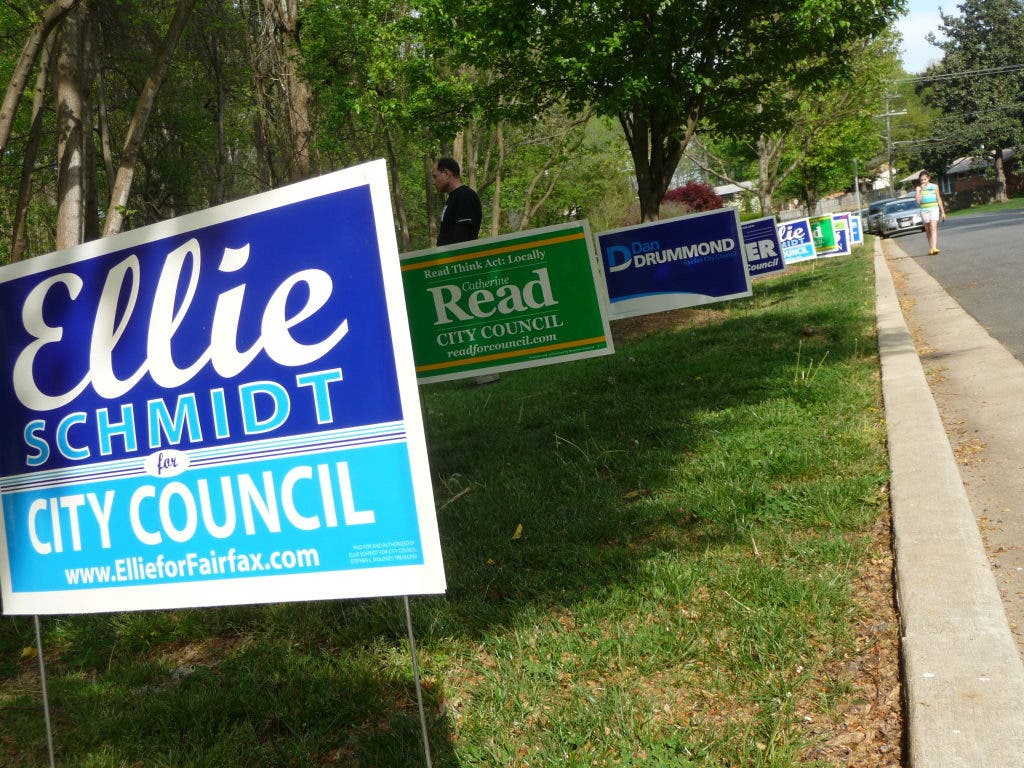
I hope you have found the responses to the Smart Growth Survey that I have posted over the past few weeks, as well as Patch’s coverage of the city elections to be informative. Remember that Election Day for Mayor, City Council and the School Board is tomorrow. Polls are open from 6:00 AM to 7:00 PM.
A few weeks ago, several members of the City of Fairfax Citizens for Smarter Growth got together to look over the responses to the survey that we sent to candidates and realized that it was pretty difficult to decipher any real difference between many of candidates who responded. The candidate forums were no different. At the April 17 forum, someone asked the candidates to explain what they thought the most important issue to the city is. All of the council candidates plus mayoral candidate Silverthorne touted economic development in some form.
When looking at their explanations in more detail, and reviewing their track records, each candidate has specific policy ideas, particularly regarding smart growth, economic development, and environmental sustainability that we think make them unique.
Find out what's happening in Fairfax Cityfor free with the latest updates from Patch.
(Note: This list only includes those candidates who responded to the survey. Also, thanks for Douglas Stewart and Judy Fraser for helping to put this summary together)
Find out what's happening in Fairfax Cityfor free with the latest updates from Patch.
First, the principles almost all the candidates agree on:
Fairfax Boulevard should be redeveloped as a mixed-use, walkable street with offices, stores and residences concentrated at Kamp Washington, Northfax and Fairfax Circle.
- Redevelopment of the Boulevard and other aging commercial areas is critical to building our tax base, allowing us to maintain our high level of services while keeping property taxes relatively low.
- The city needs to set up a more predictable and consistent development review process in order to attract the kind of development we want.
- The city should encourage low-impact development measures that will reduce stormwater runoff and help restore our streams and tributaries.
What ideas do candidates have that put us on a viable path toward these goals that they agree are important? Below is a summary of some of the key positions of each candidate.
Michael DeMarco: DeMarco is the most vigorous supporter of walkable, transit-friendly mixed-use development. He favors “designat[ing] select areas where different building standards apply, based on clear community intentions regarding the physical character of the area being developed.” These areas would include the major nodes of Fairfax Boulevard as well as Fair City Mall and Old Town. By adopting these special building standards – also known as form-based codes – the city could sidestep conventional zoning regulations.
DeMarco also has an interesting idea for streamlining the development review process in these areas where we want to focus new development. Drawing on a practice of Falls Church, DeMarco suggests appointing a development committee that includes representatives of the City Council, Economic Development Authority and Planning Commission that would be charged with working with the community and developers on each proposal. This could create more good will around new development rather than the usual community-vs.-developers dynamic that so often emerges.
DeMarco has been stressing similar ideas throughout his tenure as Chair of the City’s Economic Development Authority and has a strong track record of advocating for denser, mixed-use development.
Daniel Drummond: Drummond has a record of supporting smart growth projects where others have faltered. He also has a record of consistently considering pedestrian and bicycle issues when reviewing city transportation infrastructure projects. Drummond recommends “a wholesale review of our zoning ordinances, policies and procedures to ensure that they are up to date, reflect the desires of the community and provide a better level of certainty for developers and businesses.”
Jeff Greenfield: Greenfield supports targeting specific parcels downtown for increased development, including Courthouse Plaza and some of the parking lots in the area south of Main Street. He indicates possible support for allocating an additional one-half cent of the current tax rate for stormwater improvements.
David Meyer: Like DeMarco, Meyer speaks favorably of form-based codes for the nodes of Fairfax Boulevard. Meyer is a strong advocate for redeveloping Courthouse Plaza as a denser commercial center to anchor downtown. Meyer also takes a clear position on funding needed stormwater improvements, supporting the allocation of an additional one cent of the current tax rate for this purpose. To encourage water conservation, Meyer supports an incentive program in which the city would provide up to $20 for households that install water-saving devices.
Catherine Read: While many of the candidates tout the economic benefits of redevelopment projects in Old Town and along Fairfax Boulevard, Read also touches on the benefits of creating a stronger identity for the city though innovative design and a greater variety of open space. Read supports a more inclusive community-driven planning process, including open competitions in urban design. She also favors using more social media tools to engage a broader cross-section of residents in civic issues. Read supports more “senior friendly” housing that is accessible to people of all ages and physical abilities.
Ellie Schmidt: Schmidt voices consistent and support for developing a strong comprehensive plan and relying on that plan as a guide for future council decisions on development and city infrastructure. Though the comprehensive plan is only advisory in nature, it helps set a clear message of what the goals for development are in the city and ensures compatibility among projects.
Steven Stombres: Stombres led the city’s initiative to increase recycling and was also responsible for getting the city to install bike racks on buses. Based on the survey responses, Stombres voices the strongest support for environmental protection and pedestrian and bicycle accessibility. He was the only candidate to directly mention the Mason to Metro bicycle route improvements that a task group of city residents and university representatives have recommended. He also appears to have the strongest knowledge of stormwater and water issues.
Mayoral Candidate
Scott Silverthorne: Silverthorne is clear on several of his goals, such as improving coordination with the planning commission and supporting business downtown with more residential units and working to draw an anchor tenant that will draw more people. Historically, Silverthorne has a record of supporting funding for open space acquisitions and stormwater improvements in the city.