Politics & Government
COVID-19 Infections Grew In Virginia With Water Shutoffs: Study
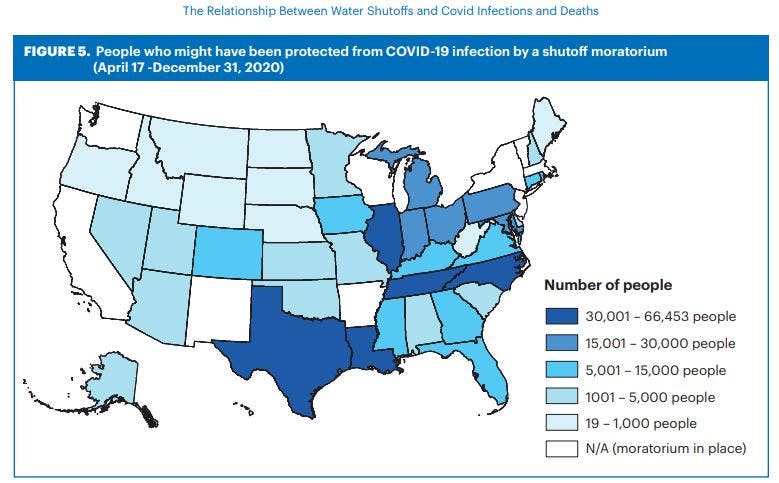
Almost 15,000 coronavirus infections could have been prevented in Virginia if a moratorium on water service shutoffs had been in place.


VIRGINIA — Almost 15,000 coronavirus infections could have been prevented in Virginia if a statewide moratorium on water service shutoffs had been in place through the end of 2020, according to a new study.
States that instituted policies to prevent water shutoffs reduced the growth rates for COVID-19 infections and deaths, researchers at Cornell University and national advocacy group Food & Water Watch concluded in a study titled “The Relationship Between Water Shutoffs and COVID Infections and Deaths,” which was released Monday.
If similar policies had been adopted across the country, the study model shows that COVID-19 cases might have been reduced by 4 percent and deaths by 5.5 percent in the states without a moratorium.
Find out what's happening in Fairfax Cityfor free with the latest updates from Patch.
"Since March 2020, one of the Centers for Disease Control and Prevention’s top recommendations to help stop the spread of the novel coronavirus has been thorough and frequent handwashing, but tens of thousands of people have been unable to follow this simple but crucial advice because their water service was shut off over water debt," the study says.
Virginia had a partial moratorium on water shutoffs by regulated utilities in the state from March 16 to Oct. 5, 2020. There was a lapse of protections before the state passed a comprehensive water shutoff moratorium through the state budget in November 2020.
Find out what's happening in Fairfax Cityfor free with the latest updates from Patch.
And in February, during the most recent General Assembly session, Virginia lawmakers passed a resolution recognizing the human right to water.
By last June, 34 states had imposed either a full or partial moratorium on water shutoffs, protecting nearly 247 million people, according to the study. But by the end of the year, only 12 states had a moratorium in place. By December, 65 percent of the country — 211 million people — were not covered.
"Water shutoffs pose a real threat to human health. Without water service, people cannot flush their toilets, wash their hands or bathe," the study says. "Lack of adequate sanitation can cause diseases to spread and allow people to become sick. The elderly, pregnant women, children and people with diabetes and other illnesses would be especially vulnerable.
Black, indigenous and Latino communities face higher disconnection rates and are more likely to lack access to basic water services, according to the study.
In their modeling, the researchers found that for the days when states had a moratorium on water shutoff in place, daily coronavirus infection growth had a 0.235 percent decrease and the death growth rate had a 0.135 percent decrease.
If a national water shutoff moratorium had been in place during the study period — from April 17 through Dec. 31, 2020 — it might have protected 480,715 people from COVID-19 infection and 9,052 people from death, according to the study.
Food and Water Watch recommends in the study that President Joe Biden work with Congress to enact a nationwide moratorium on utility shutoffs for the remainder of the COVID-19 emergency to help slow the spread of COVID-19. Policies should be in place to automatically impose a water shutoff moratorium during states of emergency in the future, the group said.
Get more local news delivered straight to your inbox. Sign up for free Patch newsletters and alerts.