Business & Tech
Fairfax Teen's AI Tool Is Helping Neurodivergent Job Seekers Find Better Fits
A Thomas Jefferson High School senior created a free AI tool that helps neurodivergent job seekers evaluate workplace fit.


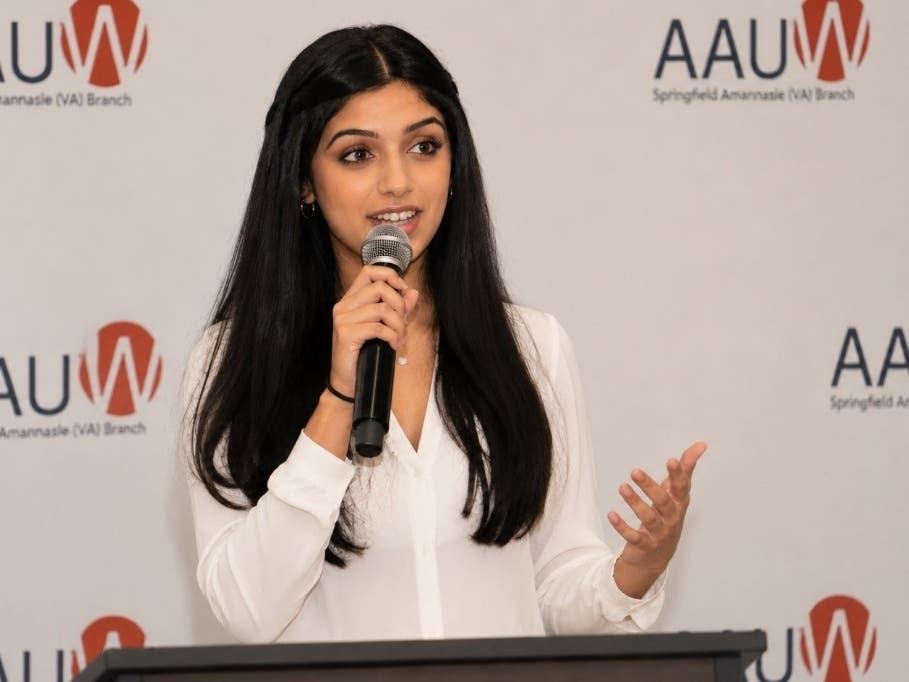
FAIRFAX COUNTY, VA — A 17-year-old Thomas Jefferson High School for Science and Technology student has created a free artificial intelligence-powered platform designed to help neurodivergent job seekers determine whether a position is a good fit before they apply.
Navya Tuteja, a rising senior at the Fairfax County magnet school, launched Raaha in June after spending about a year developing the platform. The website analyzes job postings and helps users better understand how a workplace may align with their individual work preferences and needs.
Tuteja said the idea grew out of years of advocacy work around invisible disabilities and neurodiversity, an effort inspired by watching her mother, who is hard of hearing, struggle to receive workplace accommodations because her disability was not immediately apparent.
Find out what's happening in Fairfax Cityfor free with the latest updates from Patch.
From Awareness To Action
Tuteja said she founded the nonprofit Empower Invisibilities as a freshman to raise awareness about invisible disabilities. As she became more involved with the neurodivergent community in Northern Virginia, she repeatedly heard from students and early-career job seekers who struggled to find workplaces that matched how they work best.
Rather than focusing only on salary, location or benefits, Raaha is designed to evaluate whether a work environment may be compatible with a user's needs.
Find out what's happening in Fairfax Cityfor free with the latest updates from Patch.
"Getting the opportunity isn't the hardest part," Tuteja said. "It's just ending up in an environment that wasn't built for how you work."
The name "Raaha" comes from the Hindi word for "path." Tuteja said the platform's tagline, "Find Your Way," reflects its goal of providing information rather than making decisions for users.
How The Platform Works
Users begin by completing a 15-question quiz about their work preferences, schedule, interests and other needs. They may choose whether to share information about a diagnosis.
The platform then recommends jobs that best match their responses, assigns each position a compatibility score, highlights information that is clear from the job description, suggests questions applicants should ask employers, offers interview preparation tips and allows users to download a report. Users can also paste a job posting into the site to receive an analysis of that specific position.
To develop the assessment, Tuteja worked with a Fairfax County neurodiversity specialist and other specialists to create and validate the quiz before incorporating the scoring system into the platform. She said AI helped integrate the various components of the site.
Since launching in June, Raaha has attracted about 300 users, and Tuteja said an app version is awaiting approval for release through the App Store.
She said one recent user told her the platform helped prepare questions to ask an employer while pursuing a data analyst position and ultimately contributed to landing the job.
"I think that really pushes me to see what else I can do to make it better for people," she said.
Looking ahead, Tuteja said she hopes Raaha becomes a standard resource for neurodivergent job seekers before applying for positions while also encouraging employers to write clearer, more transparent job descriptions.
"I think the bigger goal is kind of just transparency in the labor market," she said.
Beyond the website, Tuteja also published a children's book in March, The Day the Colors Disappeared, aimed at helping young readers better understand invisible disabilities and neurodiversity. She plans to continue expanding Raaha while applying to colleges, where she hopes to study law.
Get more local news delivered straight to your inbox. Sign up for free Patch newsletters and alerts.