Neighbor News
The Keeping Girls in School Act
Girls' secondary education should be a focus of United States foreign policy.
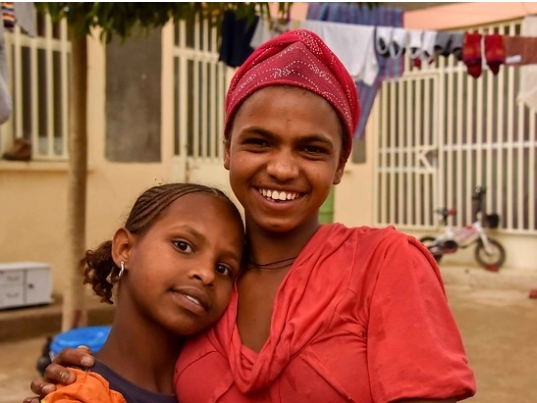
Girls’ secondary education should be a priority of United States foreign policy. 130 million girls are not enrolled in school all across the world. Girls at youth are at a high risk of dropping out as a result of forced marriage, pregnancy, or family pressure. Particularly in countries affected by conflict, girls ages 10-19 are three times more likely than boys to be kept out of school.
A focus on girls’ secondary education by the United States increase opportunities for women to thrive in the workforce. Equality between boys’ and girls’ education level can decrease the likelihood of violent conflict by as much as 37 percent. Additionally, studies prove that girls’ wages increase by as much as 20 percent for every year past fourth grade. If all girls complete a secondary education, child deaths will be cut in half, child marriage rates will be reduced by two-thirds, which saves three million lives. The Keeping Girls in School Act empowers girls around the globe.
To provide quality, accessible education to girls, the Keeping Girls in School Act authorizes the USAID and the Department of State to review and update the U.S. global strategy. The strategy would be updated every 5 years and sent to the appropriate congressional committees. Furthermore, the act enables the USAID to access results-based and traditional grant project proposals to lessen the barriers that girls face in accessing secondary education. These agreements would accommodate innovative technologies and funding mechanisms, which include development impact bonds and public-private partnerships. Lastly, the Keeping Girls in School Act utilize monitoring and evaluation strategies to ensure that programs drastically reduce the gender gap in secondary education.
The Keeping Girls in School Act ensures that every child is given an equal opportunity to access quality education, despite the family’s socioeconomic status or the country’s development level. The U.S. will be a global leader in efforts to improve educational opportunities, particularly for girls. This legislation for girls’ education has economic benefits to lift households, communities, and nations out of poverty. Reduction in poverty improves U.S. national security and economy by advancing U.S. foreign policy objectives.