Arts & Entertainment
Fairfax Station Residents Celebrate Seder
Passover or "Pesach" began Monday evening and will end at sunset or nightfall (depending upon rabbinical opinion) on Monday, April 25


Last night, scores of area residents flocked to two local synagogues for community Seder, the traditional meal that marks the start of Passover.
Second-night Seder was held at Temple B'nai Shalom in Fairfax Station and Congregation Adat Reyim in Springfield. Though participation at both events was reserved for congregation members, Fairfax Station resident and President of Congregation Adat Reyim Lenny Marsh said the event was attended by over 100 participants. The annual ritual was led by Rabbi Bruce Aft and directed by religious practice committee chair, Andrea Cate.
Passover is an ancient festival celebrating the freedom won by the early Hebrew slaves from the Egyptian Pharaoh, according to "The Passover Seder: Pathways Through the Haggadah" by Rabbi Arthur Gilbert. Many others enjoyed Seder at the home of extended family.
Find out what's happening in Fairfax Stationfor free with the latest updates from Patch.
"I was not familiar with Seder prior to my marriage and has become an enjoyable tradition. In our family, we are lucky to have three generations at the Seder table ranging in age from 13 to 91,” said Clifton resident Michelle Stein. “The matzah ball soup is great."
Though Maxine Ross of Colchester Hunt was away from immediate family for the first two evenings of Passover, she took the time to set a Seder table for this gentile reporter. We discussed the traditions that make Seder the centerpiece of this holiday.
Find out what's happening in Fairfax Stationfor free with the latest updates from Patch.
“Passover is a celebration of spring. We were slaves and we were freed,” said Ross. “Even though we are free, it teaches our children that all forms of slavery are wrong.”
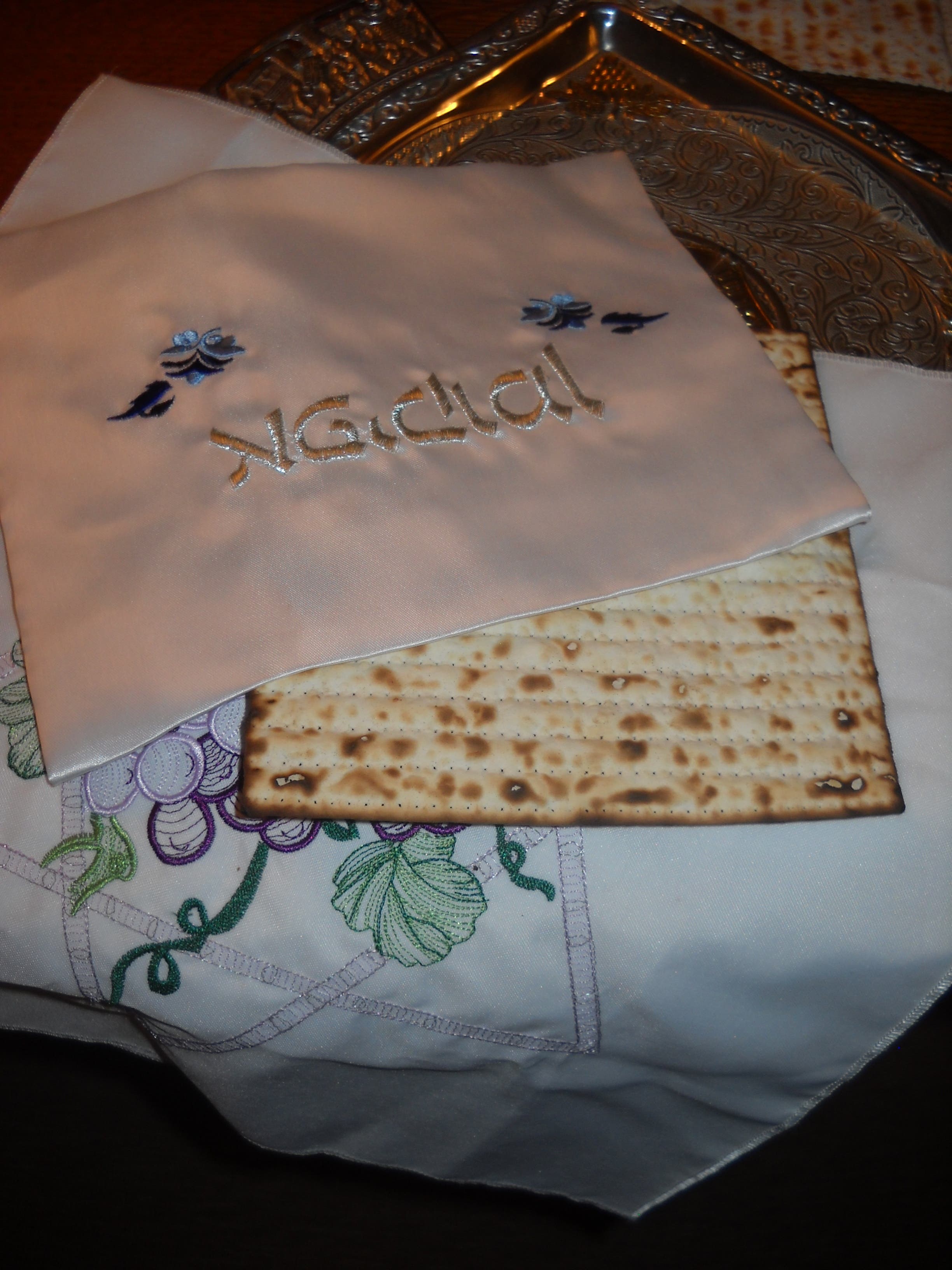
A traditional Seder table is set with candles and at the head of the table, a platter, known as a Seder plate. On the platter are three matzot, the unleavened bread that recalls the Jews rush to flee Egypt. Ross noted that a fourth matzah is set aside "for anyone we wish freedom."
Bitter herbs or horseradish represent the "bitterness" of slavery, Ross said. The shank bone of a lamb serves as a reminder of the Paschal lamb. According to Jewish tradition, blood of a sacrificial lamb marked Jewish households that were "passed over" in the final plague upon Egypt.
Haroset, a mixture of apples, nuts, cinnamon and honey is meant to resemble the building mortar used by ancient Jewish slaves. Parsley, an ancient hors d'oeuvres, serves as a token of the products of the earth. The parsley is dipped into a bowl of salt water, representing the tears of slavery.
Kosher wine, some times unfermented, reminds participants of festivity. An empty wine cup in the center of the table, known as Elijah's cup, is filled during the Seder service in symbolic hope for the coming of God's kingdom on earth, Ross explained.
The Haggadah, which means "telling" in Hebrew, is the ancient text that dictates Seder rituals. These include prayer, lighting of holiday candles, eating and tasting items on the Seder plate, washing of hands and psalms of praise.
When the matzah is broken at the beginning of the meal, half is set aside for "afikomen," a ritual that has children searching for the hidden bread. The young winner receives a reward. This serves as a sign that "what is broken off is not really lost so long as our children remember and search," according to "The Passover Seder: Pathways Through the Haggadah."
Passover or "Pesach" will end at sunset or nightfall (depending upon rabbinical opinion) on Monday, April 25.