Community Corner
Remembering Herndon's History: Town Residents Prep For Nuclear Attack
During the height of the Cold War, Herndon residents like many others in the U.S. practiced drills and built fall-out shelters.


By Barbara Glakas
Herndon Historical Society
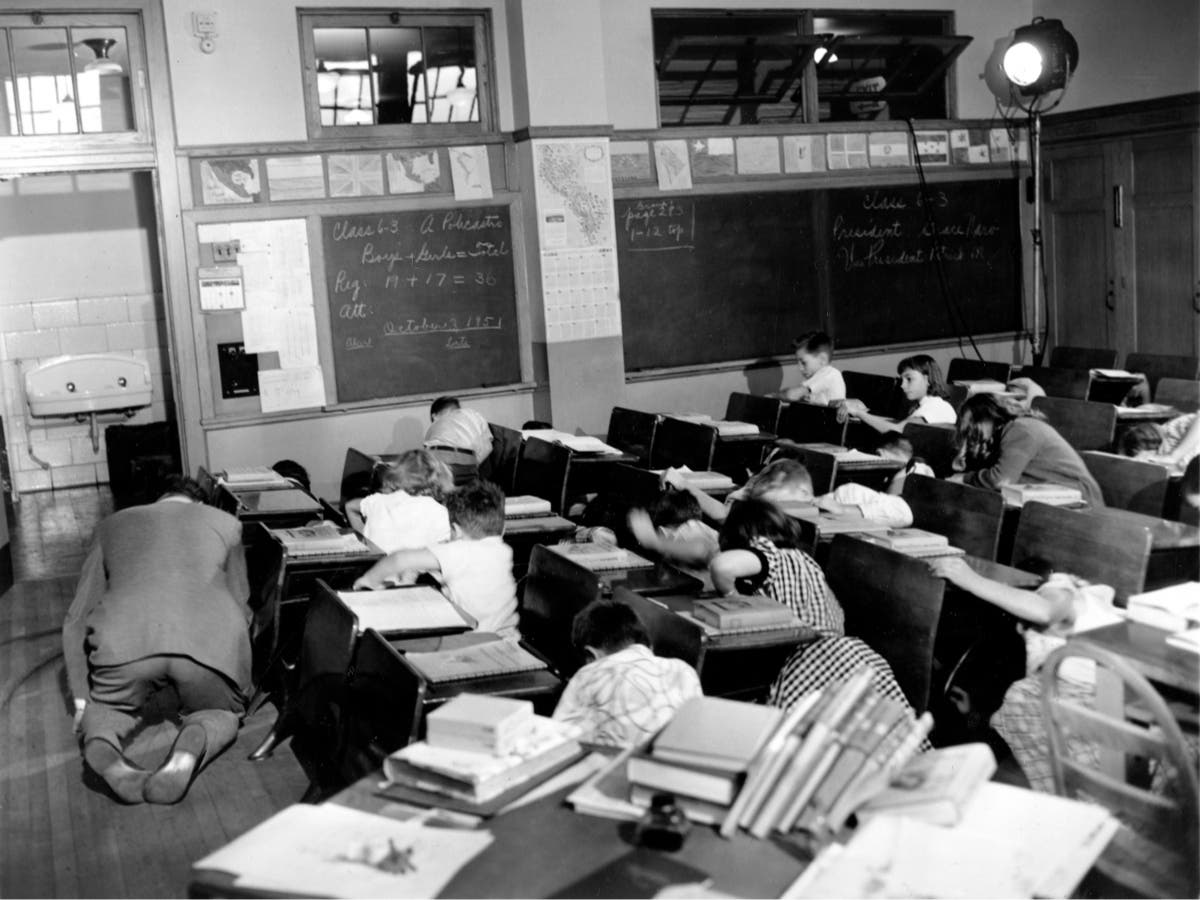
HERNDON, VA — The early decades of the Cold War were defined by fears of nuclear attack. In the 1950s and 1960s many people remember how weekly booming air raid test sirens would blare across the community. These sirens were used to warn the general population of approaching danger. Many school children remember periodic air raid “duck and cover” drills in which they were instructed by their teachers to crouch underneath their desks in their classrooms to “protect” themselves from an air raid or a nuclear blast.
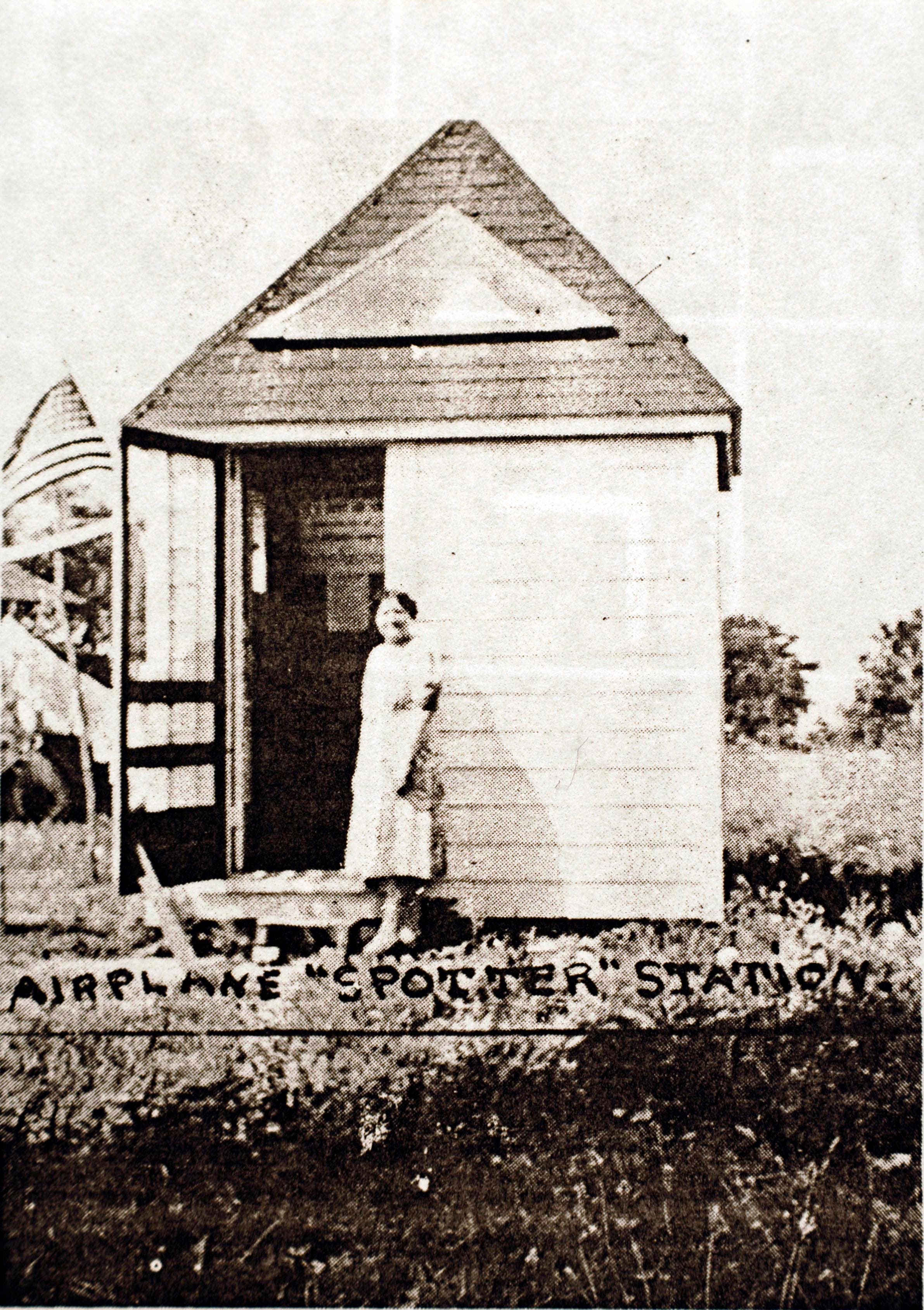
Just a few years earlier, during World War II, Herndon women staffed an airplane spotter station off Spring Street, on a knoll just east of where St. Timothy’s Episcopal Church is now located. Former Herndon resident, Ellen Kephart, said this of her WWII experience at Herndon’s spotter station: “We were very patriotic. I worked in the tracking station for airplanes. We had a certain day every other week and two women would go in.” The spotter station is believed to have stopped operating after the war ended.
Find out what's happening in Herndonfor free with the latest updates from Patch.
The United States used nuclear bombs on Japan in 1945 and soon after WWII ended. In 1950, under President Truman, the Federal Civil Defense Act was passed. There were still fears of nuclear bombs being dropped on Washington. Members of the public were advised that a five-minute steady blast of the siren warning system was an evacuation signal and people should get as far away as possible, at least 20 miles or more away from the Pentagon building. People were also advised to carry an ax, pick, or shovel in their cars, to construct a “dug-out” or fallout shelter if necessary. More robust basements or cellar fallout shelters were not uncommon in people’s homes. The government actively urged citizens to build some sort of fallout shelter and stock it with food and water to last for five or six days.
Major road networks in the Washington metro area were a work in progress in the 1950s. Construction of the first section of Shirley Highway (I-95) in Arlington began in 1941, then only a two-lane road. The road was completed to near Woodbridge in 1952. At that time, Interstate 66 did not yet exist, nor did the Capital Beltway (I-495). In 1956 President Eisenhower signed into law the Federal Aid Highway Act, also known as the National Interstate and Defense Highways Act. This bill authorized $25 billion for the construction of 41,000 miles of the interstate highway system. Construction of the Capital Beltway began in 1957. Construction of Dulles International Airport began in 1958.
Find out what's happening in Herndonfor free with the latest updates from Patch.
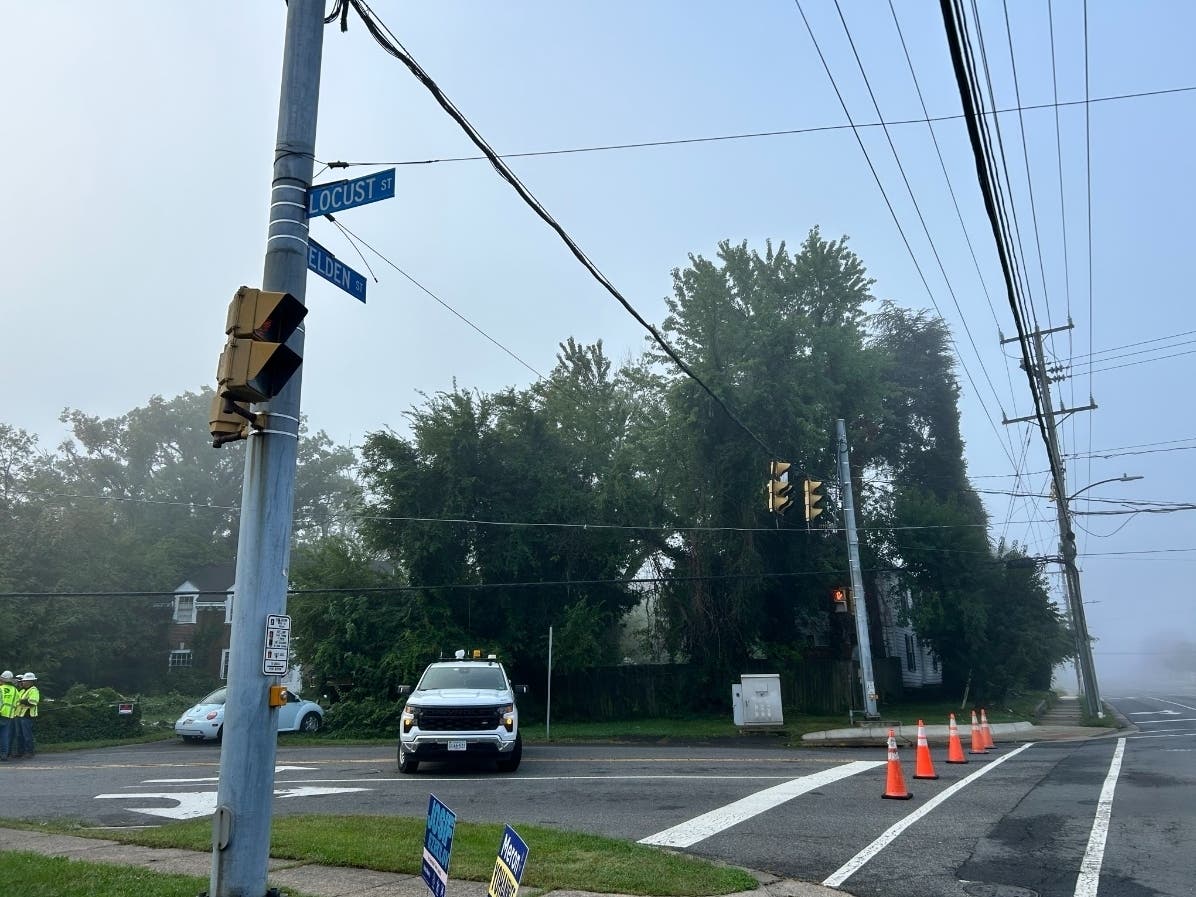
What was the town of Herndon like in the 1950s? The town was still a sleepy dairy farming community, but was beginning to transition into a bedroom community, with many new residents employed by the federal government, or finding jobs that the new airport would bring. In 1955 the town’s population was about 1,700. Herndon mayors who served in the 1950s included John McDaniel, Calvin Kidwell, William Enderle, and Graham James. The soda fountain at Bert Sasher’s Herndon Pharmacy on Station Street, and the Herndon Theatre on Elden Street, were still the places to go for social events. Mr. Moffett closed Herndon’s last blacksmith shop. A new Safeway store had recently opened on Spring Street. The section of Elden Street that extended east of Monroe Street was still called Washington Street. Herndon High School on Locust Street, and the Oak Grove School on Rock Hill Road, were still segregated.
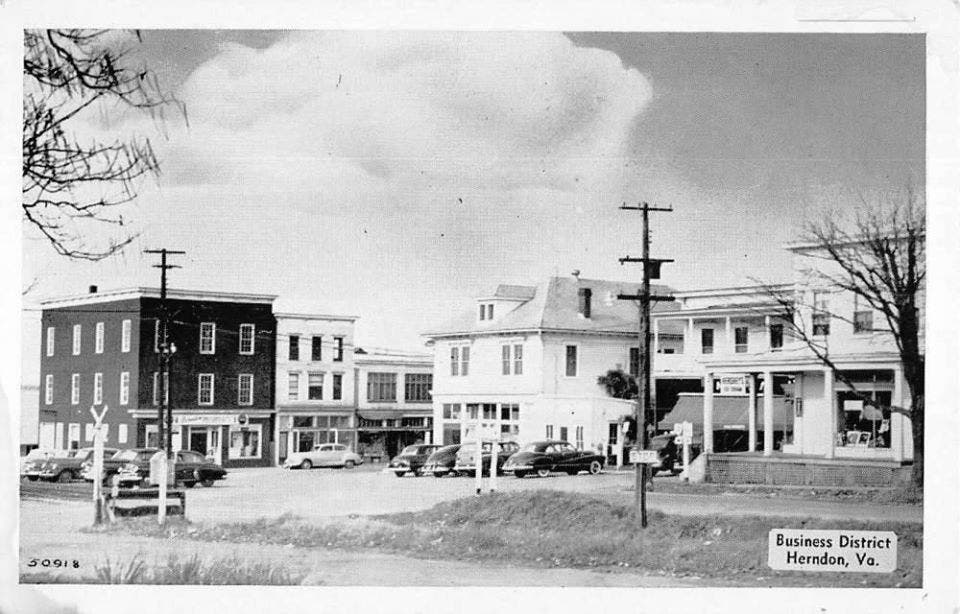
Mrs. Dudding’s hardware store on Lynn Street was still flourishing, as was Julius Nachman’s clothing store. Mr. J. Berkley Green took ownership of the town’s funeral home. A new building had just been constructed on Spring Street for the Herndon Volunteer Fire Department. Herndon’s townspeople elected Hilda Gillette, its first female town council member. Herndon Planning Commissioner, Ed Stirewalt, proposed a concept plan for a circular road around the town, which was later named the Herndon Parkway. The Herndon Cannery was still going strong behind Herndon High School, which was then located on Locust Street. The 4-H Club was a big to-do. No doubt, everyone listened to the Harden and Weaver Show on the radio, which was just getting started. Amongst all this, civil defense groups were organized and children continued doing “duck and cover” drills in school, with nuclear war on many people’s minds.

Fallout shelters were prepared in existing buildings in Washington, D.C., but the cost of providing shelters for every person in the country was clearly impossible. Planners came to realize that individual citizens would not have fallout shelters unless they built them for themselves. Some Herndon residents who owned old homes could convert their root cellars into fallout shelters, but it is unknown how many residents may have done that.
However, according to an article entitled, “Fear of Fallout” by John T. Correll:
“Expectations would become considerably darker in 1955 when the Atomic Energy Commission announced that after an H-bomb attack, the radioactive fallout might kill everyone within a 140-mile radius of the detonation. Val Peterson, the new FCDA chief in the Eisenhower Administration, proposed scaling back or eliminating the shelter program in favor of evacuating the cities on warning of attack. In 1955, Peterson said that residents in most cities had only one choice: ‘Stay and die, or move out and survive.’”
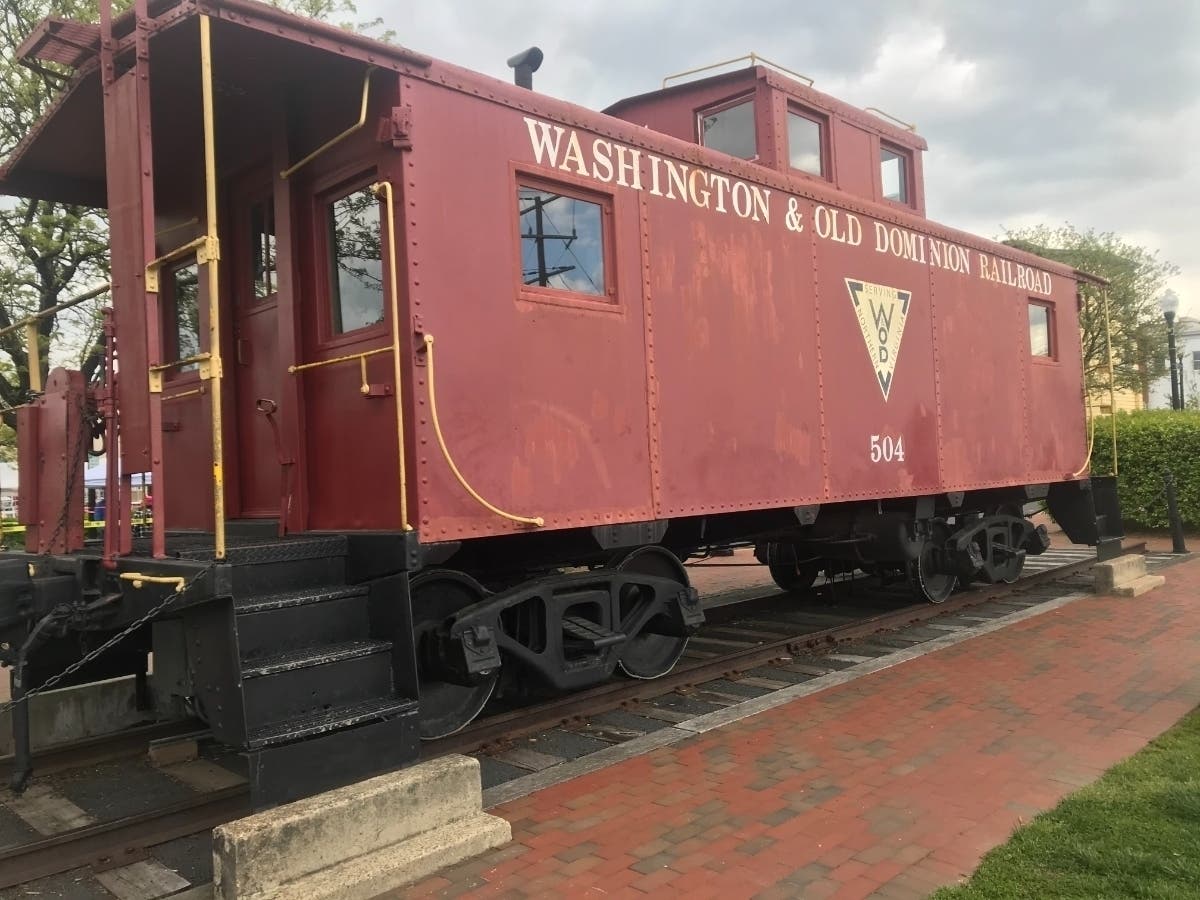
Herndon was about 19 miles from the White House. The Washington and Old Dominion Railroad had just stopped providing passenger service in the early 1950s, but continued to haul freight for several years. (We wonder if passenger service would have been re-instituted during a national emergency). The most significant east-west roadways during that time were Route 7, Route 29, and Route 50.
Government officials still worried about how people would be evacuated from the city. In June 1955, Maryclaire and Tommy Ishee of Herndon published an article in their local newspaper, the Herndon Virginian. The article had to do with evacuation plans in the event of a nuclear attack. We are reprinting the entire article below.
Government Announces Evacuation Plans
“Good news for residents of Northern Virginia who live more than 16 miles from the White House came this week from the Northern Virginia Regional Planning Council.
“Persons living outside this 16-mile area would have ‘excellent chances of survival’ in an atomic attack if they have adequate shelter, the Council advised. About 30 percent of the population of Fairfax County lives more than 16 miles from downtown Washington, and thus presumably would be in the ‘safe’ zone. All of Loudoun County would be relatively ‘safe.’
“The announcement disclosed plans to evacuate 650,000 persons from the District of Columbia, Alexandria, Arlington, Falls Church, and part of Fairfax County, in the event of an atomic attack.
“Private autos would be used for the most part of the evacuation. It will be up to each person to use the family car or get a ride with a neighbor, although buses and other commercial vehicles will be called into use to help evacuate those who cannot drive or get a ride otherwise.
“Under the evacuation rules, when the five-minute continuous blast of sirens sounds, each person, including children in school is to proceed from the point where he is at the moment.
“Attempts by members of a separated family to join other members of the family would not be permitted until they are in the dispersal areas.
“The seven main highways leading out of Washington have been designated as one-way-out evacuation routes: Mount Vernon Blvd., Route 1, Shirley Highway, Columbia Pike, Arlington Blvd., Lee Highway, and Leesburg Pike.
“Traffic would funnel into Routes, 7, 29-211, 50 and 1 when it reaches the outlying areas of Fairfax County, beyond the 16-mile zone. Dispersal areas are planned along each of these routes.
“Route 7 evacuees would go into Loudoun, Clarke, and West Virginia counties while those from Route 29-211 would go into Warren Rappahannock, Fauquier, and Madison Counties.
“Highway 50 evacuees would go to five counties to the southwest, and Route 1 evacuees would go to Prince William and counties to the south.”
About this column: “Remembering Herndon’s History” is a regular Herndon Patch feature offering stories and anecdotes about Herndon’s past. The articles are written by members of the Herndon Historical Society. Barbara Glakas is a member. A complete list of “Remembering Herndon’s History” columns is available on the Historical Society website at www.herndonhistoricalsociety.org. The Herndon Historical Society operates a small museum that focuses on local history. It is housed in the Herndon Depot in downtown Herndon on Lynn Street and is open every Sunday from noon until p.m. Visit the Society’s website at www.herndonhistoricalsociety.org, and the Historical Society’s Facebook page at https://www.facebook.com/Hernd... for more information.
Note: The Historical Society is seeking volunteers to help keep the museum open each Sunday. If you have an interest in local history and would like to help, contact HerndonHistoricalSociety@gmail.com.
Get more local news delivered straight to your inbox. Sign up for free Patch newsletters and alerts.