Business & Tech
12 Things to Know About Medicare Tax
It's crucial that Medicare tax is paid properly, not only because Medicare is an important program, but because there are penalties

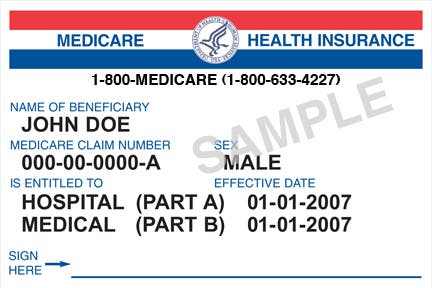
Medicare is the Social Security Administration program that covers health care for many citizens over 65 years old, and many seniors rely on it. Your tax dollars help pay for this program, and hopefully you will one day benefit from your contribution. It is crucial to make sure Medicare tax is paid properly, not only because Medicare is an important program, but because there are penalties and interest involved if the tax is not paid correctly.
Medicare taxes have recently changed for higher-income individuals. Here’s what you need to know:
- The standard Medicare tax rate is 2.9 percent with individuals paying half and employers paying half. In 2013, this amount was raised for higher-income individuals to 3.8 percent, once your income hits a certain threshold.
- To be considered for the higher withholding rate, you need to make the following:
- If you’re married filing jointly, $250,000
- If you’re married filing separately, $125,000
- If you’re single, $200,000
- If you’re head of household (with a qualifying person), $200,000
- If you’re a qualifying widow(er) with a dependent child, $200,000
- Self-employed people have to pay both halves of the tax, but they can deduct half of the Medicare taxes as an adjustment to their income.
- All types of wages will have the additional Medicare tax taken out.
- You won’t be charged the additional .9 percent taxes until you hit the threshold. For example, if you’re single, you will only have 2.9 percent taken out of your check until you hit $200,000 in earnings for the year. After that point, you’ll have 3.8 percent deducted. If you and your spouse both work and you hit the married filing jointly threshold together, remember your employer won’t know that and you need to be prepared to by the ‘Medicare Surtax’ with your income tax return.
- Wages that aren’t paid in cash, like fringe benefits, are also subject to the additional Medicare tax if they put you over the threshold.
- Tips are subject to the additional tax.
- Self-employment loss is not considered when calculating this tax.
- Employers must withhold the additional Medicare tax from your check, regardless of your other sources of income. If you have other sources of income that put you over the threshold, you should request additional income tax withholding using form W-4 or make estimated payments.
- If your employer doesn’t withhold the additional tax, they may have to pay penalties and interest.
- If you make over $200,000 by yourself but you’re married filing jointly and you won’t reach the threshold together, your employer still has to withhold the additional Medicare tax. You can claim a credit at the end of the year when you file your income taxes.
Everyone is unique, and so is every tax situation. Many what-if scenarios are covered on the IRS website, but that information isn’t always clear. Myerson & Myerson, CPA’s can answer your questions. Call 703-753-1040, or email info1@mandmcpas.com.