Community Corner
Hospital Offers Nutrition Services for Healthy New Year
Understanding the importance of monitoring your body's nutrient supply.
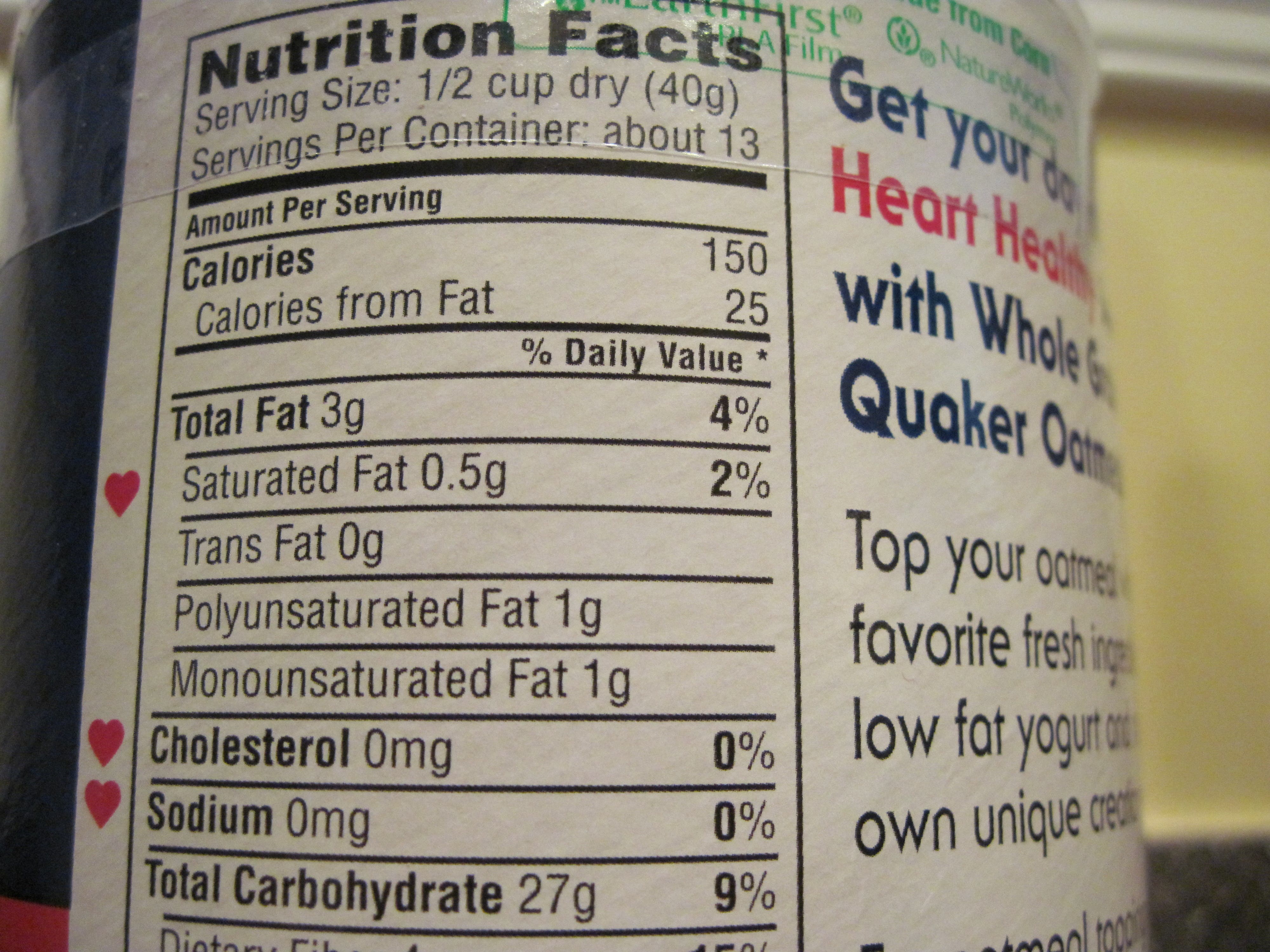


When you prepare a meal or get ready to take a bite of food, do you really know what you are eating?
You may say yes to that question. After all, if it’s a granola bar, then I’m eating a granola bar. But have you ever thought about what actually makes up its contents or if your body really needs it?
Understanding what you eat and why you eat it is essential to being healthy. And living a healthy life is the first step to obtaining fitness.
Find out what's happening in Manassasfor free with the latest updates from Patch.
Here is some basic information regarding calories and caloric intake, which will help you understand what kinds of macro-nutrients your body is consuming when you eat.
These insights will guide you in understanding why you need them and what they’re used for.
Find out what's happening in Manassasfor free with the latest updates from Patch.
Food is composed of three macro-nutrients: carbohydrate, protein and fat. Macro-nutrients are the nutrients that are needed in large quantities for normal growth and development.
- Carbohydrates (glucose) are the body’s preferred energy source and can be found in meat, seafood, grains and vegetables (such as starches). Carbohydrates are what give us energy, or fuel, to exercise. If more carbohydrates are consumed than the body can use, the body converts the sugar into fat for long-term storage. This is how we gain weight. Each gram of carbohydrate consists of four calories.
- Proteins (amino acids) are the building blocks of human and animal structure. They help form the brain, nervous system, blood, muscle, skin and hair. They also help transport vitamins and minerals and can be found in things like meat, rice, beans and cheese. Each gram of protein consists of four calories.
- Fats (fatty acids) help with the body’s insulation, cell structure, nerve transmission and hormone production. They can be found in foods like egg yolk, tuna, salmon, dairy, nuts and oils. Omega-3 polyunsaturated fats (nutrient-rich oils) are the best kind because they promote a healthy immune system. Each gram of fat consists of nine calories.
To help monitor consumption, make sure you look at nutrition labels before eating something. The nutritional facts are only listed as a guideline for each serving, not for the entire container.
Here are recommended calorie consumptions per day, according to the Dietary Guidelines:
Carbohydrate: 60%
Fat: 20-35%
Protein: 15%
And if you are not up to facing the challenge alone, there is help right here in Manassas at the neighborhood hospital.
The Wellness Center at Prince William County Hospital offers nutritional services that help individuals with this very thing.
Patients, who are referred by a physician, can receive nutritional counseling or medical nutritional training from a registered dietitian, according to the Wellness Center’s web site.
In addition to the patient’s diet, the program takes into account their medical and family history, economic and social background and lifestyle choices in setting up realistic steps to help meet achievable goals.
Resting Metabolic Rate Measurement (RMR) services are also available at the hospital. According to the Wellness Center’s web site, patients can have their “unique caloric needs calculated and a plan developed with a registered dietitian for successful weight management.”
RMR is conducted using the latest technology available to help determine the patient’s needed caloric intake.
These services and more are available by calling (703) 369-8405, or by visiting the Wellness Center web site.